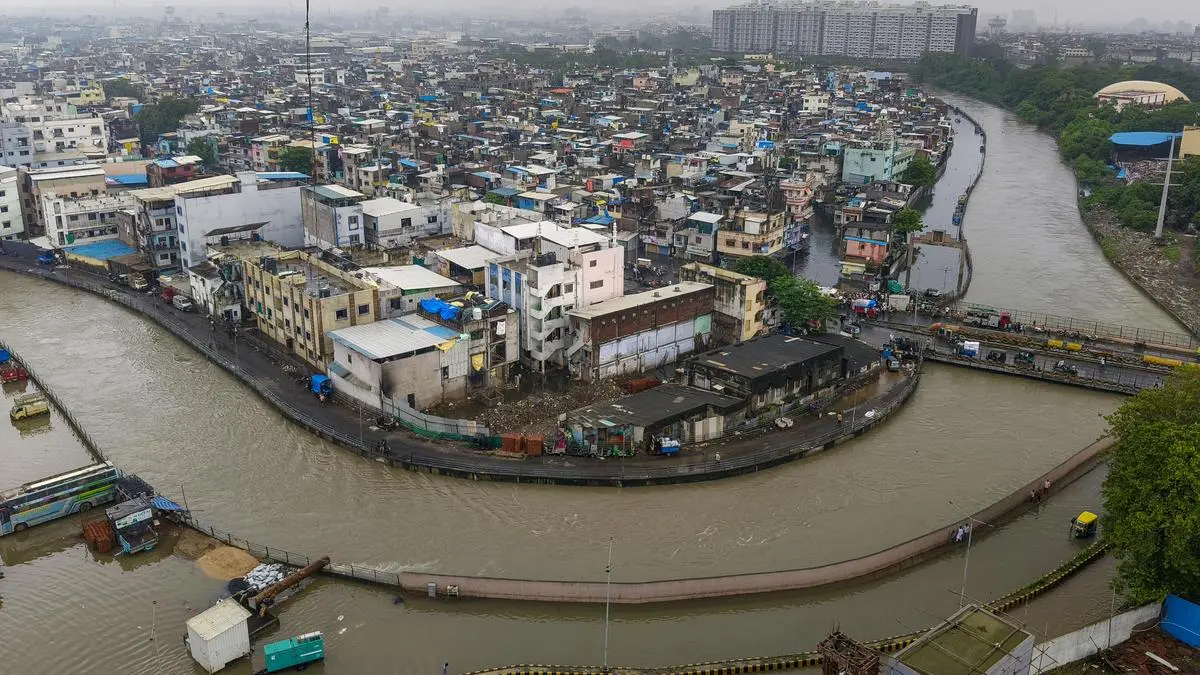
Severe Flooding Paralyzes Gujarat: Industrial Hubs and Supply Chains Under Strain
The state of Gujarat, a cornerstone of India’s industrial and agricultural output, is currently grappling with a severe monsoon crisis. Persistent, heavy rainfall has triggered widespread flooding, resulting in the mass evacuation of over 40,500 people from low-lying areas. As water levels continue to rise, the state’s critical infrastructure—ranging from manufacturing corridors to vital logistics networks—has faced significant disruption, raising concerns about the immediate stability of regional supply chains.
The deluge has not only impacted residential zones but has also paralyzed factory operations across several key industrial clusters. Many manufacturing facilities, particularly those located in flood-prone industrial estates, have been forced to initiate emergency shutdowns as a precautionary measure to protect equipment and ensure worker safety. With power grids strained and road access cut off by waterlogging, the state’s industrial output is experiencing a sharp, albeit temporary, contraction.
Infrastructure and Connectivity Under Siege
The impact on logistics has been particularly acute, complicating the movement of goods both within the state and to neighboring regions. For the second consecutive day, rail services connecting Gujarat to Mumbai—one of the country’s most vital economic lifelines—remain severely disrupted. The flooding of tracks and the compromise of signal systems have forced railway authorities to cancel or divert numerous passenger and freight trains.
The disruption of this rail corridor is a critical bottleneck. Gujarat serves as a major gateway for chemicals, textiles, pharmaceuticals, and agricultural products destined for the port of Mumbai and beyond. When these transit routes are severed, the resulting backlog creates a ripple effect, delaying the delivery of raw materials to industries and stalling the export of finished goods. Furthermore, the inundation of major highways has hindered road freight, leaving thousands of trucks stranded and unable to navigate the water-logged arterial roads, further isolating local markets from the broader national network.
Agricultural Vulnerability and Economic Fallout
Beyond the industrial sector, the agricultural landscape faces an uncertain immediate future. Gujarat’s fertile plains are essential for the production of several cash crops, and extensive waterlogging threatens to damage standing crops and soil integrity. Experts suggest that prolonged exposure to standing water can lead to root rot and nutrient leaching, which may impact yields even after the floodwaters recede. Furthermore, the destruction of rural storage facilities and the loss of connectivity to local mandis (wholesale markets) mean that perishable produce is at high risk of spoilage, leading to significant financial losses for the farming community.
The economic impact of this disaster is compounded by the rising costs of logistical recovery. As transport operators contend with damaged infrastructure and the need for alternative, longer routes, the cost of freight is expected to climb. This inflationary pressure on logistics, combined with the potential for localized supply shortages, places additional strain on an already sensitive market ecosystem.
What This Means for Farmers
For the agricultural community in Gujarat, the current situation demands a dual focus on immediate safety and long-term recovery planning. The primary concern is the mitigation of crop damage once the water begins to recede. Farmers are advised to prioritize field drainage as soon as conditions permit to prevent further asphyxiation of root systems. Once fields are accessible, assessing soil health—specifically the potential loss of nitrogen and other essential nutrients due to leaching—should be the next priority before planning replanting or recovery efforts.
Economically, the disruption of rail and road transport means that farmers should anticipate volatility in market prices. With supply chains fragmented, the ability to transport produce to distant markets will be severely limited in the short term. Farmers are encouraged to utilize local cold storage facilities where available to extend the shelf life of their harvest until connectivity is restored. Furthermore, it is essential for agricultural cooperatives and individual landholders to document all losses—including crop damage, infrastructure destruction, and loss of stored inventory—in anticipation of government relief and insurance assessments. Establishing clear lines of communication with local agricultural extension offices will be vital for accessing the latest advisories on pest management and disease control, which often spike in the wake of heavy flooding.