Understanding the Potential Impact of El Niño 2026 on Indian Agriculture
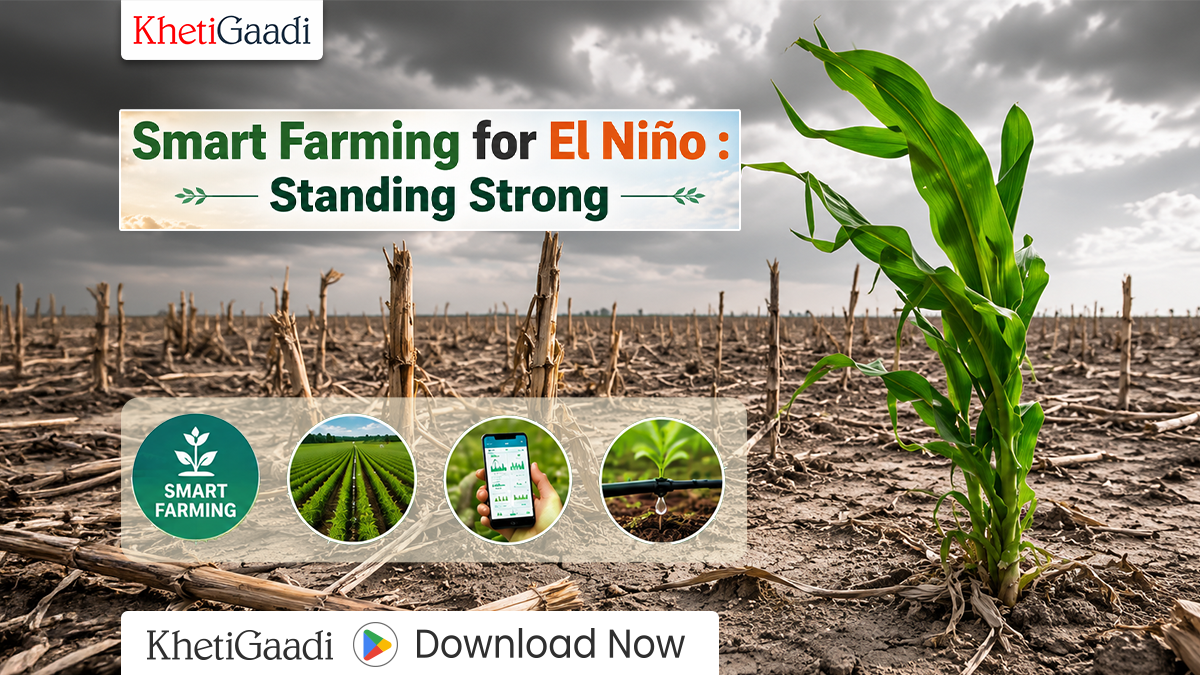
Weather patterns remain a fundamental influence on the stability of the Indian agricultural sector. With current discussions focusing on El Niño 2026, many in the farming community are looking to understand how potential monsoon disruptions might affect productivity. According to information provided by KhetiGaadi, weather conditions are a critical variable for the nation’s food security and rural economy.
The significance of these weather events is underscored by the high level of dependence on seasonal rains. Data indicates that approximately 50% of the net cultivated land in India relies directly on monsoon rainfall. Consequently, any shifts in climate patterns, such as those associated with El Niño, carry the potential to influence crop yields and, by extension, the livelihoods of those engaged in farming.
The Role of Monsoon Rainfall in Indian Farming
In the context of Indian agriculture, the monsoon is more than just a seasonal weather event; it is the primary source of irrigation for a vast majority of the country's agricultural operations. Because nearly half of all cultivated land lacks alternative, reliable irrigation infrastructure, the consistency of the monsoon is the deciding factor for agricultural output.
When weather phenomena like El Niño are forecasted, they bring attention to the vulnerability of this dependence. The primary concerns for the agricultural sector during such periods often include:
- Crop Yield Protection: Ensuring that harvests remain stable despite potential rainfall deficits or irregularities.
- Climate Resilience: Adopting practices that help farms withstand and recover from adverse weather conditions.
- Securing Livelihoods: Protecting the economic stability of farmers who rely on seasonal crops as their main source of income.
What is El Niño?
While the term is frequently cited in weather forecasts, understanding its implications is essential for long-term planning. El Niño is a climate pattern that can lead to significant changes in global weather conditions. For India, the primary concern regarding this phenomenon is its historical association with the disruption of the normal monsoon cycle.
According to the report from KhetiGaadi, paying attention to early warnings regarding El Niño is a proactive step. By monitoring these developments, stakeholders in the agricultural sector can better prepare for potential moisture stress or distribution issues that might arise during the cropping season.
Building Resilience for Future Seasons
The focus on the 2026 forecast highlights the importance of preparedness. As the agricultural community monitors weather updates, the goal remains to mitigate the risks posed by climate-related uncertainties. Understanding the potential impact of such events is described as a foundational step in building the necessary resilience to safeguard agricultural operations.
The information provided emphasizes that by staying informed about these meteorological warnings, farmers and those involved in the agricultural supply chain are better positioned to manage the risks associated with climate variability. As the situation develops, the reliance on accurate weather monitoring will continue to be a vital component of agricultural management in India.