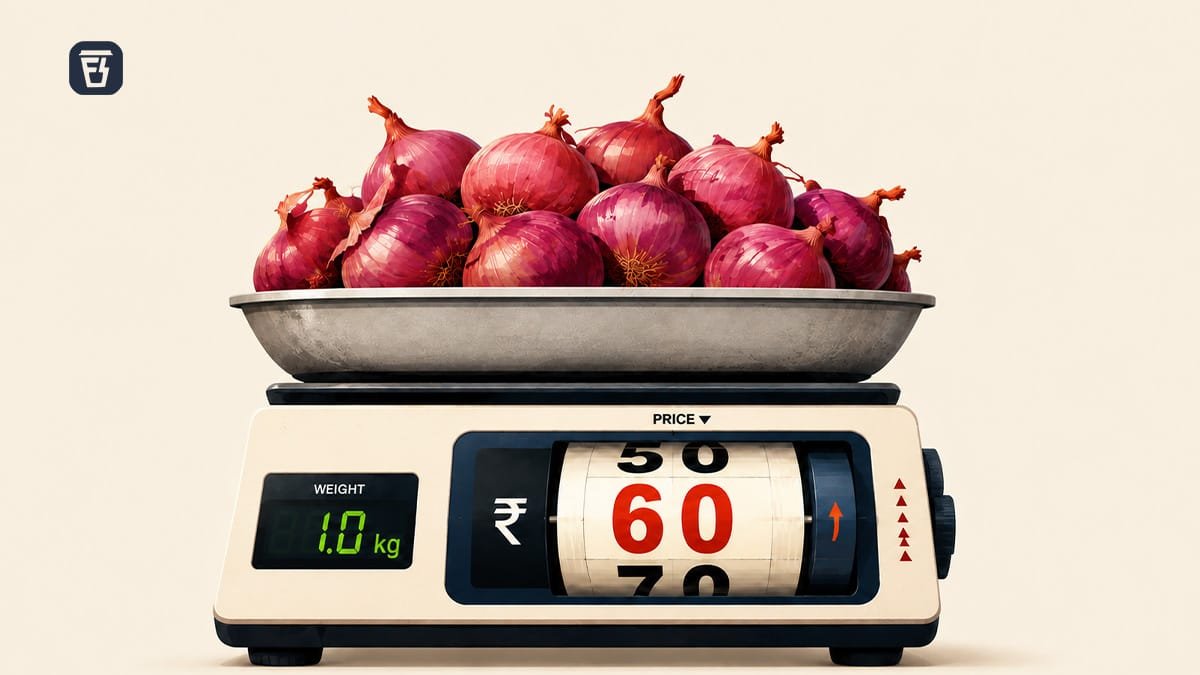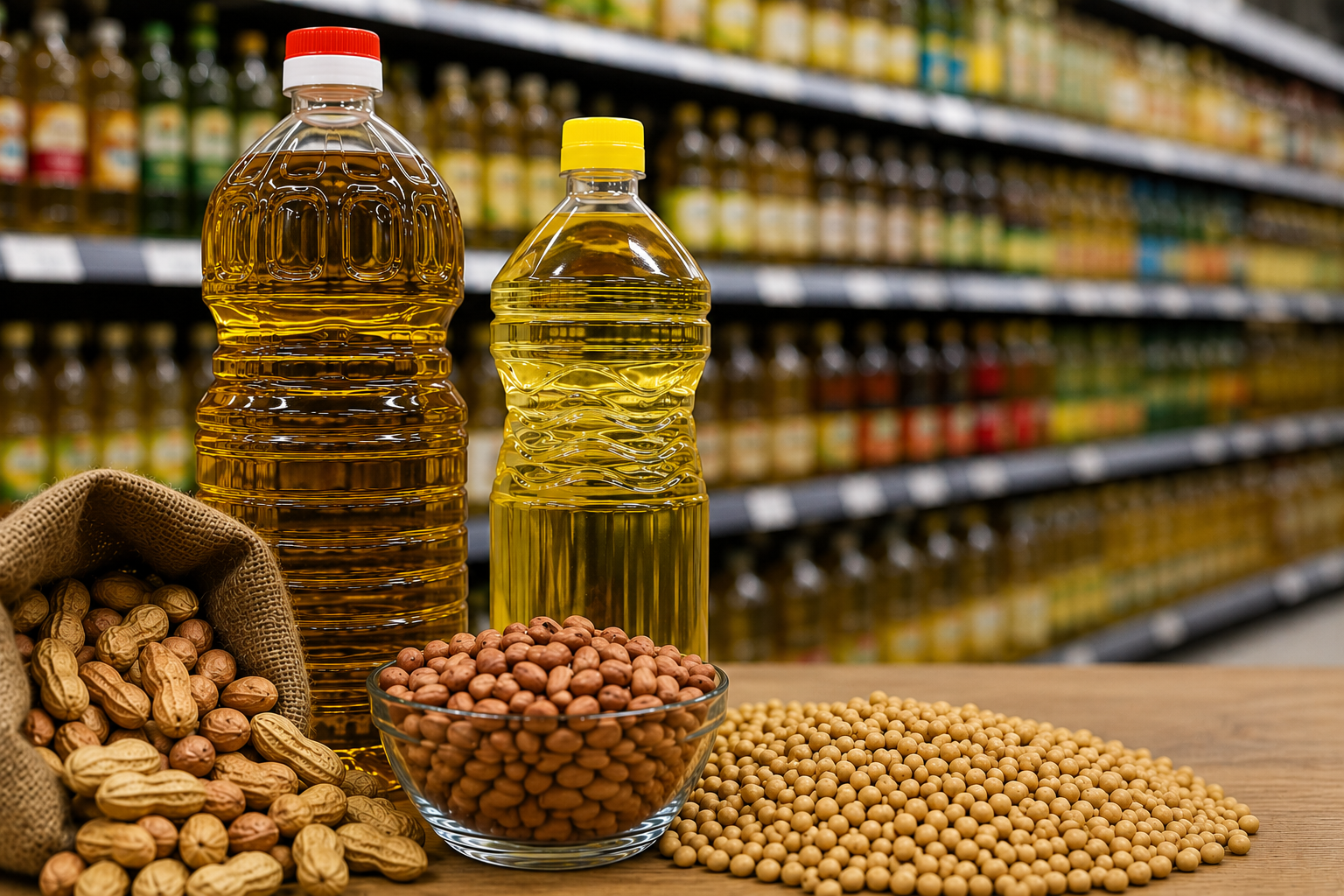
Edible Oil Shock Ahead of Festive Season: Peanut Oil Crosses Rs.2,900
As the festive season approaches, a period traditionally marked by increased demand for culinary staples and celebratory preparations, households and the food service industry are bracing for a significant economic hurdle. Recent market reports from Gujarat indicate that the retail price of peanut oil has surged past the Rs.2,900 mark per tin, signaling a renewed inflationary trend in the edible oil sector. This abrupt price hike arrives at a critical juncture, threatening to dampen consumer sentiment and strain household budgets as families gear up for upcoming regional and national festivities.
Supply Chain Constraints and Market Dynamics
The escalation in peanut oil prices is not an isolated event but rather the culmination of several complex market pressures. Agricultural analysts point to a combination of seasonal demand spikes and supply-side constraints that have tightened the availability of high-quality groundnut kernels. The festive season traditionally triggers a surge in consumption, as commercial food manufacturers and households alike increase their procurement of cooking oils for deep-frying and traditional sweet preparation.
Furthermore, the volatility in global edible oil markets continues to exert indirect pressure on domestic pricing. While India maintains a robust domestic production capacity for groundnuts, the interconnected nature of the global vegetable oil complex—including palm, soy, and sunflower oils—means that price fluctuations in international commodities often correlate with domestic trends. When global prices rise, local stockists and processors frequently adjust their pricing strategies in anticipation of potential import cost increases or supply shortages, creating a ripple effect that ultimately reaches the retail consumer.
Agronomic and Processing Factors Influencing Cost
Beyond market speculation, the cost of refined peanut oil is heavily dictated by the underlying agronomic cycle. The processing sector relies on the steady flow of high-grade raw materials from the latest harvest. Any disruption in the post-harvest supply chain—whether due to storage logistics, transportation costs, or the quality of the raw groundnut crop—is immediately reflected in the final refined product.
Refining processes, which ensure the stability and shelf life of the oil, have also seen a rise in operational overheads. Increased energy costs and labor expenses associated with oil mills have contributed to the narrowing margins for processors. As these costs mount, producers are compelled to pass the burden down the supply chain. In the context of Gujarat, a major hub for groundnut production, the local pricing trends often serve as a bellwether for the national market, and the current breach of the Rs.2,900 threshold serves as a clear indicator of the intensity of current market pressure.
What This Means for Farmers
While the rise in retail prices is a cause for concern for consumers, the implications for the agricultural community are nuanced. For farmers, high retail prices do not always translate into a proportionate increase in farm-gate prices. Often, the disparity between what the consumer pays and what the producer receives is widened by logistics, storage, and processing margins.
However, this price environment does offer several strategic considerations for those involved in groundnut cultivation:
- Strategic Stock Management: Farmers with the capacity for on-farm storage may find opportunities to time their sales to capture peak market demand. However, this requires careful monitoring of moisture content and storage conditions to prevent quality degradation.
- Input Cost Assessment: With the rising value of the end product, farmers should conduct a thorough cost-benefit analysis before the next sowing season. Understanding the correlation between retail price spikes and input costs for fertilizers and irrigation is essential for maintaining profitability.
- Market Diversification: The current volatility underscores the importance of not relying solely on traditional wholesale channels. Farmers may benefit from exploring direct-to-consumer models or local cooperative processing units that allow them to capture a larger share of the value chain.
- Monitoring Policy Trends: Given the sensitivity of edible oil prices, farmers should stay informed regarding government intervention measures, such as import duty adjustments or export restrictions, which can be implemented rapidly to stabilize consumer prices and subsequently impact market liquidity.
As the market continues to fluctuate, stakeholders throughout the supply chain—from the field to the pantry—are advised to maintain a cautious outlook. The current price surge serves as a reminder of the fragility of food commodity markets and the necessity for resilience in agricultural planning.