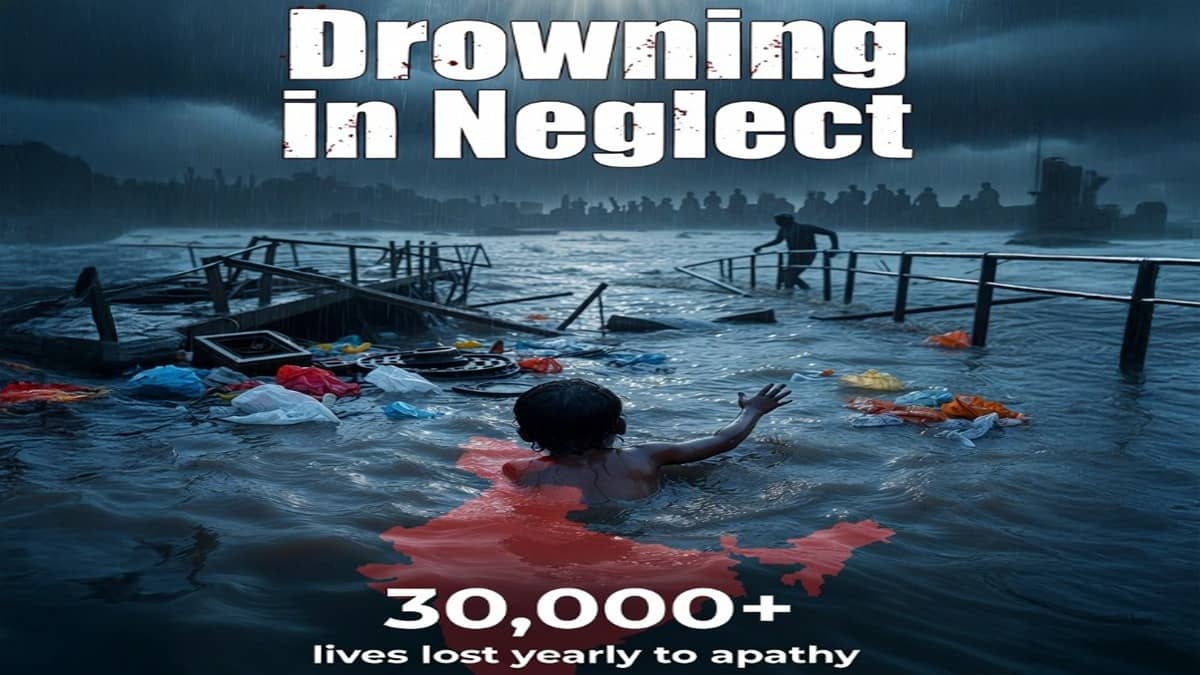
A Rising Tide of Preventable Tragedy: The Crisis of Infrastructure Neglect in India
Across India, a chilling pattern has emerged that is turning routine daily life into a high-stakes gamble. From urban water bodies and neglected construction pits to inadequately secured open drains and irrigation channels, public spaces have become sites of frequent, preventable fatalities. While each individual incident triggers a flurry of headlines and the inevitable announcement of official probes, the underlying systemic failures remain largely unaddressed. The recurring nature of these drowning deaths—often involving children and vulnerable populations—has sparked a growing outcry, with activists and grieving families demanding an end to the culture of administrative apathy that prioritizes bureaucratic paperwork over tangible public safety.
The Anatomy of Neglect: Infrastructure and Urban Planning Failures
The root of this crisis lies in a fundamental disconnect between rapid urbanization and the safety standards required to sustain it. In many Indian municipalities, drainage systems and water storage infrastructure are either poorly maintained or entirely exposed. Urban sprawl has outpaced the development of protective barriers, leaving deep, water-filled trenches near residential zones, schools, and playgrounds. These sites, often abandoned by contractors or left open during prolonged construction cycles, transform into lethal traps during the monsoon season, when rising water levels obscure the dangers beneath the surface.
Beyond the physical infrastructure, there is a profound lack of cohesive national policy regarding water safety. While disaster management authorities focus heavily on large-scale natural calamities like floods or cyclones, the "silent epidemic" of localized drowning receives minimal attention. There is no standardized mandate for fencing off dangerous water bodies, installing warning signage, or implementing community-based water rescue training. Consequently, the responsibility for safety often falls into a void between municipal corporations, public works departments, and private developers, with each entity frequently deflecting blame when tragedy strikes.
The Cycle of Accountability and the Need for Systemic Reform
When a drowning incident occurs, the standard administrative response is almost clinical: a police report is filed, a district-level probe is ordered, and temporary measures—such as placing a few barricades or filling a single pit—are enacted. However, these reactive measures do little to prevent the next incident. Experts argue that the reliance on post-facto inquiries serves as a convenient tool for "managing" public outrage rather than solving the problem. The failure to hold local officials and contractors accountable for negligence ensures that the structural status quo remains untouched.
A comprehensive strategy requires moving beyond the current framework of reactionary politics. This involves integrating water safety into urban planning codes, requiring mandatory fencing and lighting for all public water bodies, and establishing rigorous oversight of construction sites. Furthermore, public awareness campaigns must shift from passive warnings to active education, teaching communities how to identify hazards and respond to emergencies. Until safety is treated as a foundational element of public infrastructure rather than an optional add-on, the cycle of mourning and indignation is destined to repeat.
What This Means for Farmers
For the agricultural community, this issue is particularly pressing, as farm-side infrastructure—such as irrigation canals, deep borewells, and farm ponds—is often located in settings where children play or laborers work. The economic and human cost of these accidents is devastating, as the loss of a family member not only inflicts deep emotional trauma but can also cripple the labor capacity and financial stability of a farm enterprise.
Farmers and rural landowners should take proactive steps to mitigate these risks on their own properties:
- Secure Water Infrastructure: Ensure that all irrigation wells, sumps, and open tanks are covered with sturdy, lockable lids or surrounded by high-visibility fencing.
- Implement Clear Signage: In areas where water depth is significant or where currents are unpredictable, install clear, durable warning signs to discourage swimming or unauthorized access.
- Community Vigilance: Engage with local village councils (Gram Panchayats) to identify and secure common drainage points or abandoned water pits in the vicinity of schools and public footpaths.
- Risk Assessment: Treat water safety as a key component of farm management. Just as one would maintain equipment to prevent mechanical injury, maintaining the integrity of water barriers is essential for protecting the safety of family members, workers, and livestock.
Ultimately, farmers hold a position of influence within their local communities. By advocating for better infrastructure safety at the district level, the agricultural sector can play a vital role in pushing for the systemic changes required to stop these preventable tragedies.