Parliamentary Deadlock: Legislative Agenda Stalls Amid Opposition Uproar
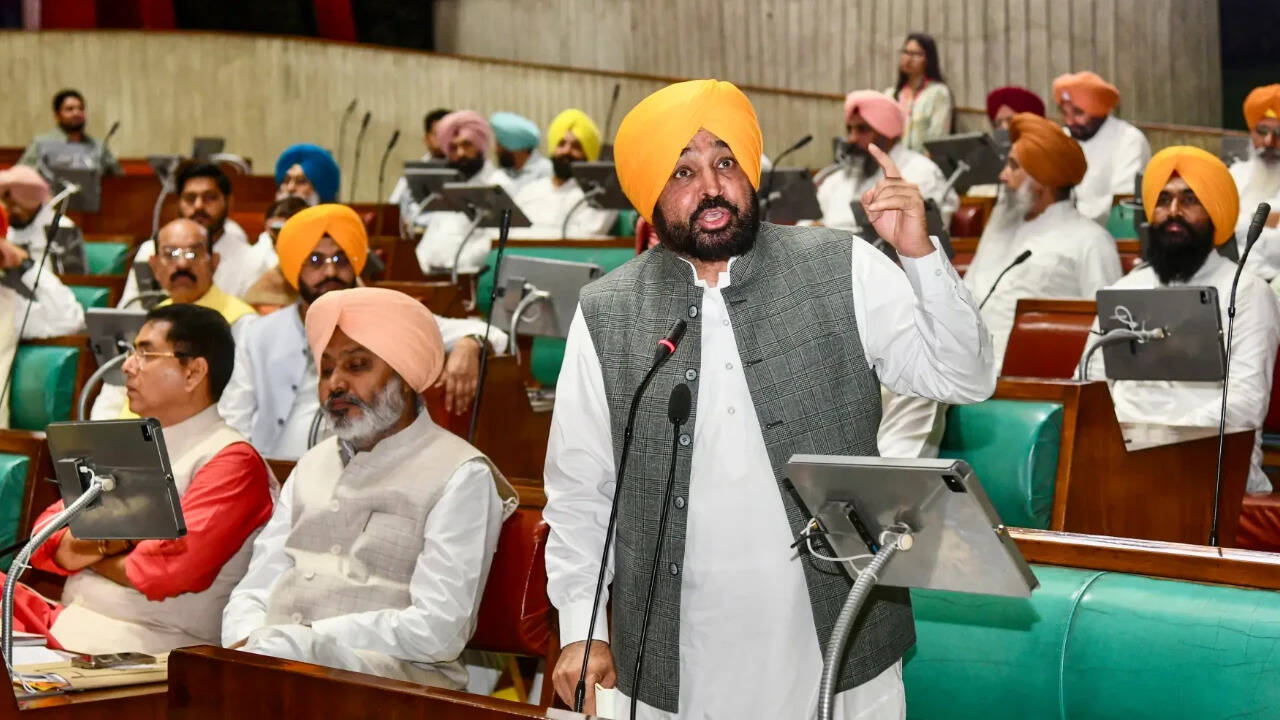
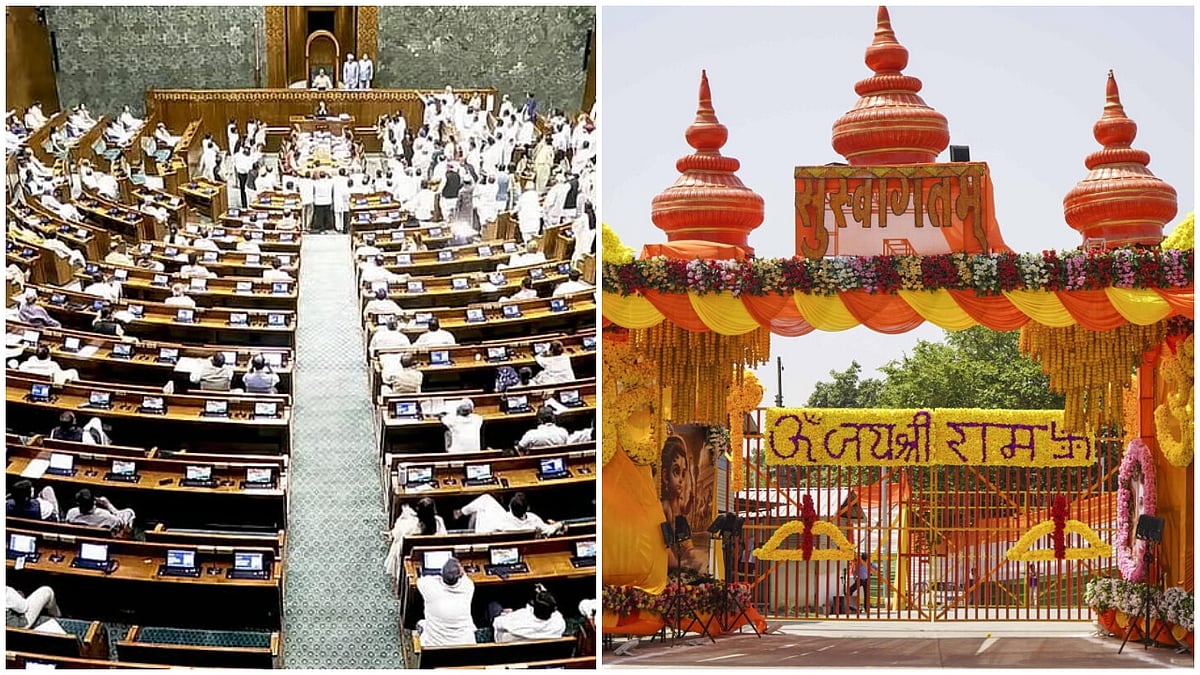
The legislative landscape in the nation's capital has faced a significant disruption as both Houses of Parliament were forced to adjourn early today. The sessions, which were intended to facilitate critical debates on national policy, were sidelined by intense protests from Opposition members. At the heart of the gridlock is the government’s proposed legislation aimed at curbing systemic paper leaks in competitive examinations—a crisis that has sparked widespread public concern regarding the integrity of national recruitment processes.
The Opposition’s vocal demand for a dedicated discussion on the recruitment scandal effectively halted the introduction and debate of the paper-leak bill. While the government maintains that the proposed legislative framework is essential to restoring public trust and ensuring a merit-based system for the nation’s youth, Opposition leaders argue that the current measures do not go far enough to address structural accountability. As the session concluded prematurely, the fate of the bill remains in limbo, leaving the academic and professional recruitment sectors waiting for a clear path forward.
Supreme Court Intervention in Ayodhya Fund Discrepancy Case
Parallel to the parliamentary unrest, the Supreme Court has taken a proactive stance regarding the allegations of financial irregularities involving the Ayodhya Ram Temple trust funds. The apex court, emphasizing the sensitivity and national importance of the matter, has issued directives for a swift and transparent investigation into the reported theft and misappropriation cases.
The court's intervention underscores a broader judicial commitment to ensuring that charitable and religious endowments—which often handle vast sums of public contributions—operate under the highest standards of financial scrutiny. By pushing for a time-bound probe, the Supreme Court aims to mitigate public anxiety and maintain the sanctity of the institution. Observers note that this development is likely to exert pressure on investigative agencies to expedite their findings, ensuring that any lapses in governance or security are addressed with the full weight of the law.
National Governance and the Ripple Effect on Public Trust
The confluence of legislative paralysis and judicial oversight highlights a period of significant tension in the national discourse. When parliamentary proceedings are disrupted, it often signals a deeper misalignment between political factions regarding the priorities of governance. For the agricultural sector and rural stakeholders, these developments are not merely urban political maneuvers; they reflect the stability of the policy environment. A functional Parliament is essential for the passage of agricultural reforms, budget allocations for irrigation projects, and the implementation of price-stabilization schemes that dictate the economic health of the farming community.
Furthermore, the focus on transparency—whether in the context of examination integrity or the management of public funds—sets a precedent for administrative accountability. As the nation watches these events unfold, the demand for clear, corruption-free governance is becoming a central theme that transcends individual sectors, impacting everything from national employment markets to the management of public assets.
What This Means for Farmers
While the immediate headlines focus on legislative gridlock and judicial probes, these events carry practical implications for the agricultural community:
- Policy Stagnation: The adjournment of Parliament delays the review and passage of pending bills that may impact agricultural subsidies, trade regulations, and rural infrastructure funding. Farmers should prepare for potential delays in the rollout of new government schemes or adjustments to existing support programs.
- Economic Volatility: Political uncertainty often translates into market caution. As investors and stakeholders monitor the stability of the legislative environment, agricultural commodity markets may experience short-term fluctuations. It is advisable for producers to monitor local market trends closely and avoid locking in long-term contracts during periods of high political volatility.
- Demand for Transparency: The Supreme Court’s emphasis on accountability in public fund management reinforces a growing national trend toward fiscal transparency. Farmers should remain vigilant regarding the management of regional agricultural cooperatives and local government bodies, as the current climate favors heightened scrutiny and the reporting of financial irregularities.
- Long-term Planning: Given the current unpredictability in the legislative calendar, agricultural enterprises should prioritize maintaining liquidity and diversifying input sources. Relying on a stable policy environment is increasingly risky; therefore, adopting resilient farm management practices that are less dependent on immediate government intervention is a prudent strategy.