Escalating Tensions: The Human Cost of Bengaluru’s Identity Verification Drive
The urban landscape of Bengaluru, a global hub for technology and industry, is currently grappling with a profound humanitarian emergency. Recent administrative and law enforcement actions targeting Bengali-speaking communities, conducted under the official mandate of identifying and deporting “illegal Bangladeshi immigrants,” have sparked intense scrutiny from civil society and human rights observers. As the state machinery intensifies its verification drives, the indiscriminate nature of these operations has left thousands of migrant laborers, daily wage earners, and long-term residents in a state of precarious limbo, raising urgent questions about the intersection of national security protocols and the fundamental rights of marginalized populations.
The Mechanics of Displacement and Administrative Overreach
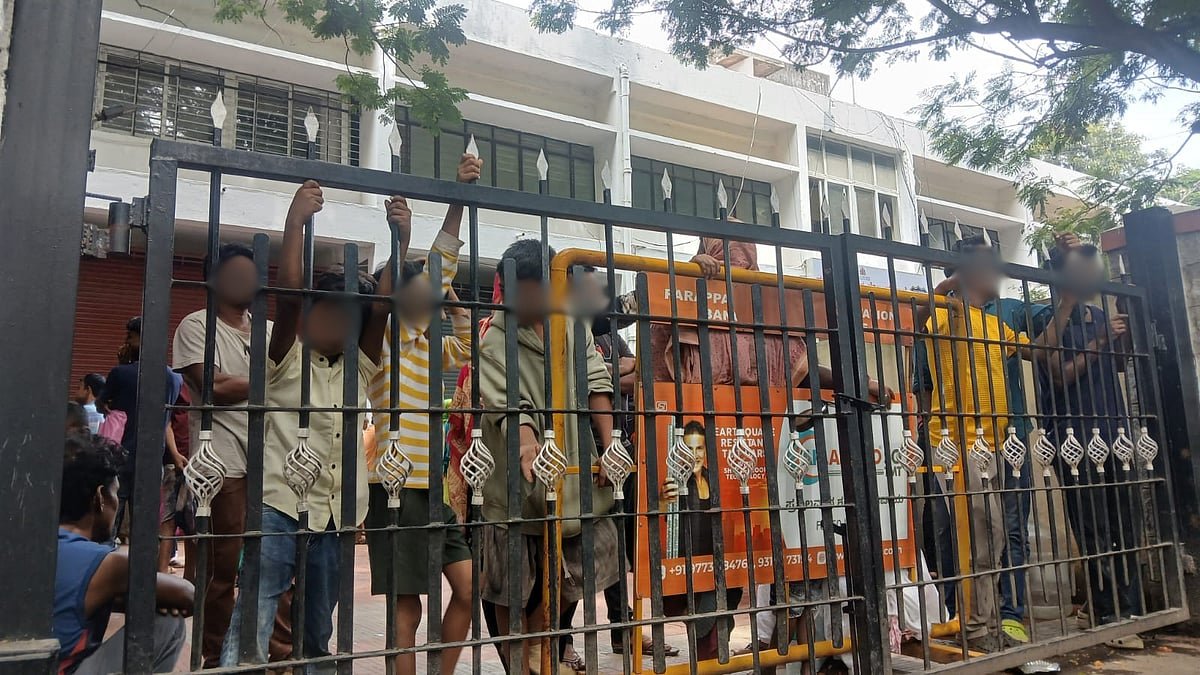
The current crackdown, characterized by localized raids and aggressive documentation checks, has disrupted the socioeconomic fabric of Bengaluru’s informal sector. For many workers who have migrated from West Bengal in search of employment in the city’s construction, hospitality, and waste management industries, the lack of immediate, physical documentation—often lost during transit or neglected due to the transient nature of their work—has become a catalyst for detention. Critics argue that the state’s approach relies heavily on linguistic and regional profiling rather than robust, evidence-based investigative techniques.
The process of “detect, delete, and deport” has created a climate of pervasive fear. Reports indicate that families are being uprooted without clear legal recourse or access to due process, leading to the fragmentation of households. When state agencies prioritize rapid identification over the rigorous verification of citizenship status, the risk of violating the rights of Indian citizens who happen to speak Bengali becomes statistically inevitable. The lack of transparency in these procedures has further exacerbated the tension, as residents find themselves unable to distinguish between legitimate administrative oversight and discriminatory harassment.
The Humanitarian Fallout and Societal Implications
Beyond the immediate administrative concerns lies a deeper humanitarian crisis. The sudden displacement of workers has resulted in the loss of livelihoods, forcing families into homelessness and destitution. In a city that relies heavily on the labor of internal migrants to sustain its rapid infrastructure development, the current climate of hostility threatens to destabilize local labor markets. The psychological toll on these communities—living under the constant threat of being rendered stateless or deported—cannot be overstated.
Furthermore, the political fallout has placed the state government in a difficult position. By failing to exercise adequate oversight over police actions, the administration faces accusations of compromising its stated commitment to inclusive governance. As these operations continue, the socio-political divide within the state threatens to widen, fostering an environment where suspicion replaces social cohesion. The challenge for policymakers remains to balance national security requirements with the constitutional obligations to protect the rights of all residents, regardless of their regional origin or linguistic background.
What This Means for Farmers
While this crisis is centered in an urban environment, the implications for the broader agricultural and rural economy are significant. The rural-to-urban migration pipeline is a vital component of India’s economic health, providing essential remittances to agricultural households. When migrant workers in cities like Bengaluru are subjected to mass displacement or detention, the flow of income back to rural farming families is abruptly severed.
For the agricultural sector, this creates two primary risks:
- Disruption of Remittance Flows: Many small-scale farmers rely on the wages earned by family members in urban centers to purchase inputs such as seeds, fertilizers, and equipment for the upcoming sowing season. A sudden loss of these earnings can lead to a liquidity crisis at the farm level, forcing farmers to seek high-interest private credit.
- Labor Market Volatility: The uncertainty surrounding migrant labor forces can lead to a decrease in the available workforce for seasonal agricultural tasks. As workers become fearful of moving between states for employment, the traditional seasonal migration patterns that sustain large-scale farming operations may be disrupted, leading to potential labor shortages during critical harvest windows.
Farmers and rural stakeholders are advised to monitor the situation closely, as any sustained disruption to the internal labor market often results in long-term economic instability. It is critical for those involved in the agricultural supply chain to recognize that the security and stability of migrant workers are inextricably linked to the economic viability of the rural hinterland. Policy shifts that prioritize human rights and transparent legal processes are essential not only for humanitarian reasons but for maintaining the interconnected economic health of the nation.