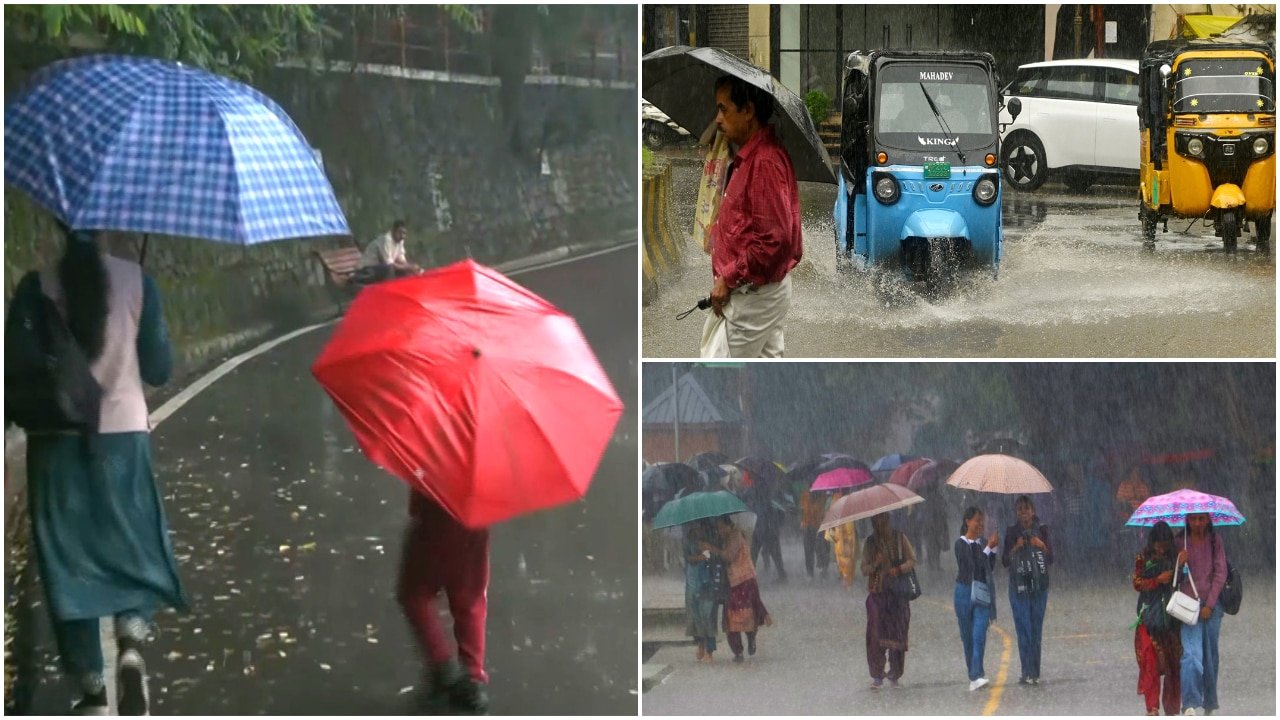
Monsoon Surge Expected: IMD Forecasts Widespread Rainfall Across Northern and Central India
The India Meteorological Department (IMD) has issued a significant weather update, signaling an active monsoon phase across large swathes of the country as the nation approaches mid-August. Meteorological data indicates that atmospheric conditions are aligning to bring much-needed precipitation to Delhi and several neighboring states, including Uttar Pradesh, Madhya Pradesh, Punjab, and Gujarat, specifically during the window of August 14-15.
This development comes as a welcome relief for agricultural regions that have been monitoring soil moisture levels closely during the critical vegetative growth stages of the Kharif season. The IMD’s synoptic charts suggest that a combination of moisture-laden winds from the Arabian Sea and the Bay of Bengal, coupled with a shifting monsoon trough, is responsible for the anticipated increase in cloud cover and convective activity.
Regional Impact and Meteorological Drivers
The forecast for Delhi suggests a transition from the current humid, overcast conditions to intermittent spells of light to moderate rainfall. For the National Capital Region, these showers are expected to assist in tempering the heat index, which has been elevated by high humidity levels over the past week.
Beyond Delhi, the impact of this active monsoon spell is expected to be more pronounced in the agrarian heartlands of Uttar Pradesh and Madhya Pradesh. In these states, the timing of the rainfall is particularly crucial for paddy cultivation, which requires consistent water availability during the tillering stage. Similarly, in Punjab, where irrigation demand remains high, the anticipated precipitation could help reduce the reliance on groundwater extraction for a temporary period.
Gujarat, which has experienced varying rainfall patterns this season, is also included in the IMD’s alert zone. The coastal and interior districts of the state are braced for increased rainfall activity, which meteorologists attribute to a cyclonic circulation pattern currently developing in the region. This influx of moisture is expected to provide a boost to oilseed and pulse crops that are currently in the mid-growth phase.
Managing Field Operations During Variable Weather
While rainfall is generally beneficial for the Kharif crop cycle, the IMD advises that farmers remain vigilant regarding localized heavy downpours. The transition from dry spells to active monsoon conditions requires careful field management to prevent waterlogging in low-lying areas and to ensure that nutrient application schedules are not disrupted.
The meteorological department continues to monitor the movement of the monsoon trough, noting that while the current forecast points to a two-day active spell, the long-term outlook remains dependent on global climatic indicators. Farmers are encouraged to utilize localized weather monitoring tools and stay updated with the latest district-level bulletins issued by the IMD to make informed decisions regarding field logistics.
What This Means for Farmers
The predicted rainfall for August 14-15 carries several practical implications for the farming community across the affected states:
- Nutrient Management: Farmers should exercise caution with the application of nitrogenous fertilizers. Rainfall immediately following top-dressing can lead to leaching, significantly reducing the efficiency of the nutrients. It is advisable to delay fertilizer applications if heavy rain is expected in the immediate 24-hour window.
- Drainage and Waterlogging: In regions prone to flooding, particularly in paddy-growing zones, ensuring proper drainage channels is critical. Excess water can lead to root rot and increased susceptibility to fungal diseases, especially in pulse and soybean crops.
- Pest and Disease Monitoring: High humidity and increased rainfall often create an ideal environment for the proliferation of pests and fungal pathogens. Farmers should be prepared for increased scouting of fields for signs of blight, rust, or insect infestations in the days following the rainfall.
- Irrigation Optimization: The forecasted rain provides a window to conserve electricity and fuel costs associated with pump sets. Farmers should calibrate their irrigation schedules to leverage this natural moisture, effectively "banking" water for the following week.
- Market Planning: With improved soil moisture, the outlook for crop yields may stabilize. Farmers should keep a close watch on regional market trends, as widespread rainfall often influences the immediate supply-demand dynamics for perishable commodities.