Persistent Monsoon Rains Trigger Widespread Disruption Across Northern and Central India
As the monsoon season reaches a critical phase, meteorological conditions across India remain highly volatile. While residents in the National Capital Region (NCR) experienced a brief reprieve with a sunny morning today, the reprieve is expected to be short-lived. Weather agencies have signaled a shift in atmospheric patterns, with light rainfall anticipated in Delhi by the latter half of the day. Meanwhile, the surrounding industrial and agricultural hubs of Gurugram and Faridabad remain under a high-priority yellow alert, as authorities prepare for potential infrastructure strain caused by renewed precipitation.
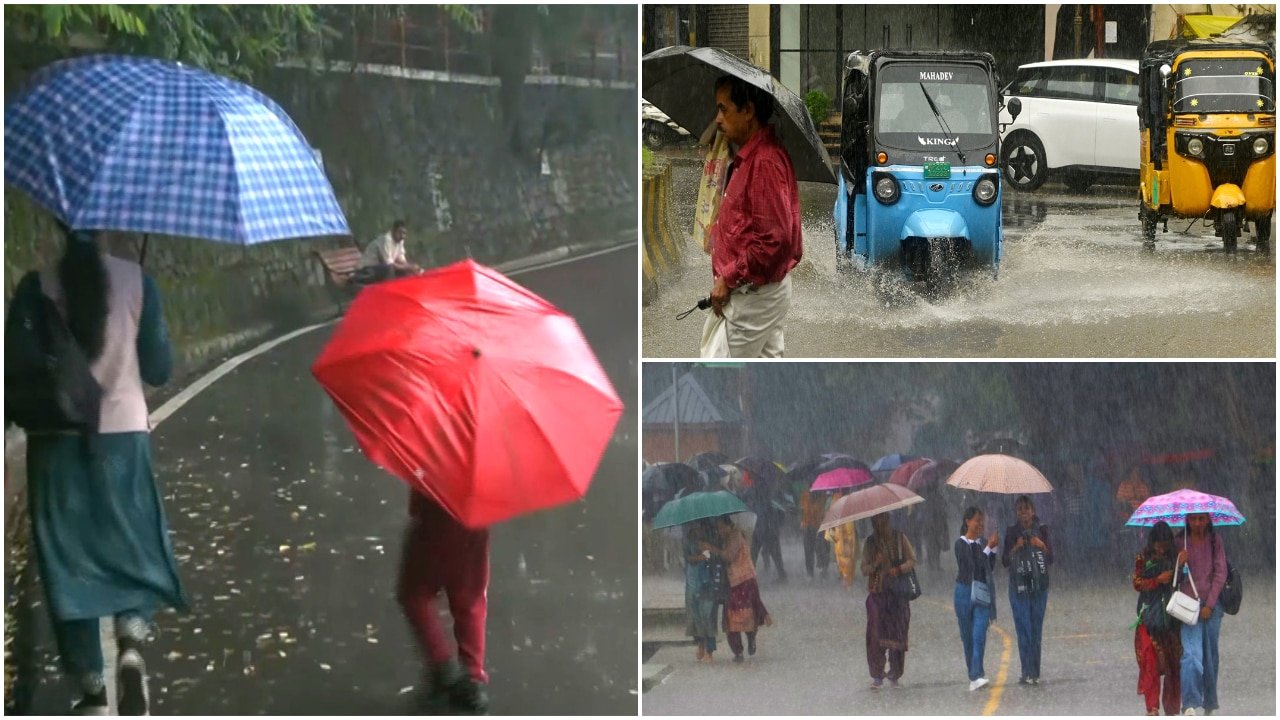
The broader national landscape presents a more severe picture. Intense, sustained rainfall has triggered a cascade of natural disasters across multiple states, leading to significant disruptions in logistics, transport, and daily life. The combination of saturated soil and heavy downpours has rendered many regions vulnerable to landslides and flash flooding, complicating the movement of goods and essential agricultural inputs.
Infrastructure Challenges and Regional Vulnerabilities
The impact of this current weather system extends far beyond urban inconveniences. In several mountainous and hilly regions, persistent rainfall has compromised road networks, leading to frequent landslides that have effectively severed connectivity to remote rural areas. These disruptions are particularly critical during the monsoon, a time when the timely movement of perishables and the distribution of fertilizers and seeds are essential for maintaining the agricultural cycle.
Urban centers such as Gurugram and Faridabad are currently bracing for the "yellow alert" status, which indicates a need for vigilance regarding drainage systems and waterlogging. In these regions, the primary concern remains the rapid accumulation of surface water in low-lying areas, which can paralyze supply chains and hinder the transit of agricultural produce destined for wholesale markets. As the monsoon progresses, the structural integrity of transport corridors—many of which serve as the lifelines for rural-to-urban trade—remains a focal point for disaster management authorities.
Agronomic Implications and Soil Health
From an agricultural standpoint, the current weather pattern presents a complex set of challenges. While the monsoon is essential for replenishing groundwater tables and supporting the Kharif crop cycle, excessive and unseasonal rainfall can lead to waterlogging in fields. This creates an environment conducive to root rot and other fungal pathogens, which can significantly jeopardize crop yields if drainage is not managed effectively.
The threat of landslides and road washouts further exacerbates the situation for farmers, who may face increased difficulty in accessing markets to sell their yields or procuring necessary inputs for the upcoming planting phases. Furthermore, excessive moisture at this stage of the season can interfere with the application of top-dressing fertilizers, as high humidity and soil saturation often render these inputs less effective or prone to leaching.
What This Means for Farmers
The current meteorological instability necessitates a proactive approach to farm management. Farmers in regions under weather alerts are advised to prioritize the following actions to mitigate potential losses:
- Ensure Field Drainage: Clear all irrigation channels and drainage ditches to prevent water stagnation in fields. Standing water for prolonged periods can lead to nutrient leaching and crop damage.
- Monitor for Pest and Disease Outbreaks: High humidity and consistent rainfall create ideal breeding conditions for various pests and fungal infections. Regular field scouting is essential to identify early signs of infestation and apply corrective measures as soon as the weather permits.
- Secure Harvested Produce: For those who have already harvested, ensuring that produce is stored in dry, elevated, and well-ventilated structures is critical to preventing post-harvest losses due to moisture-related spoilage.
- Optimize Input Timing: Avoid applying fertilizers or pesticides immediately before a predicted rainfall event. Waiting for a dry window will ensure better efficacy of these inputs and prevent unnecessary waste.
- Stay Informed: Keep a close watch on local weather updates and advisories issued by regional agricultural extension services. Being prepared for sudden shifts in weather can help in making informed decisions regarding irrigation, harvesting, and logistics.
As the monsoon continues to influence the national economy, the agricultural sector must remain vigilant. While the rains are vital for the long-term health of India’s farming economy, the immediate focus must remain on disaster mitigation and protecting the current season’s output from the challenges posed by extreme weather events.