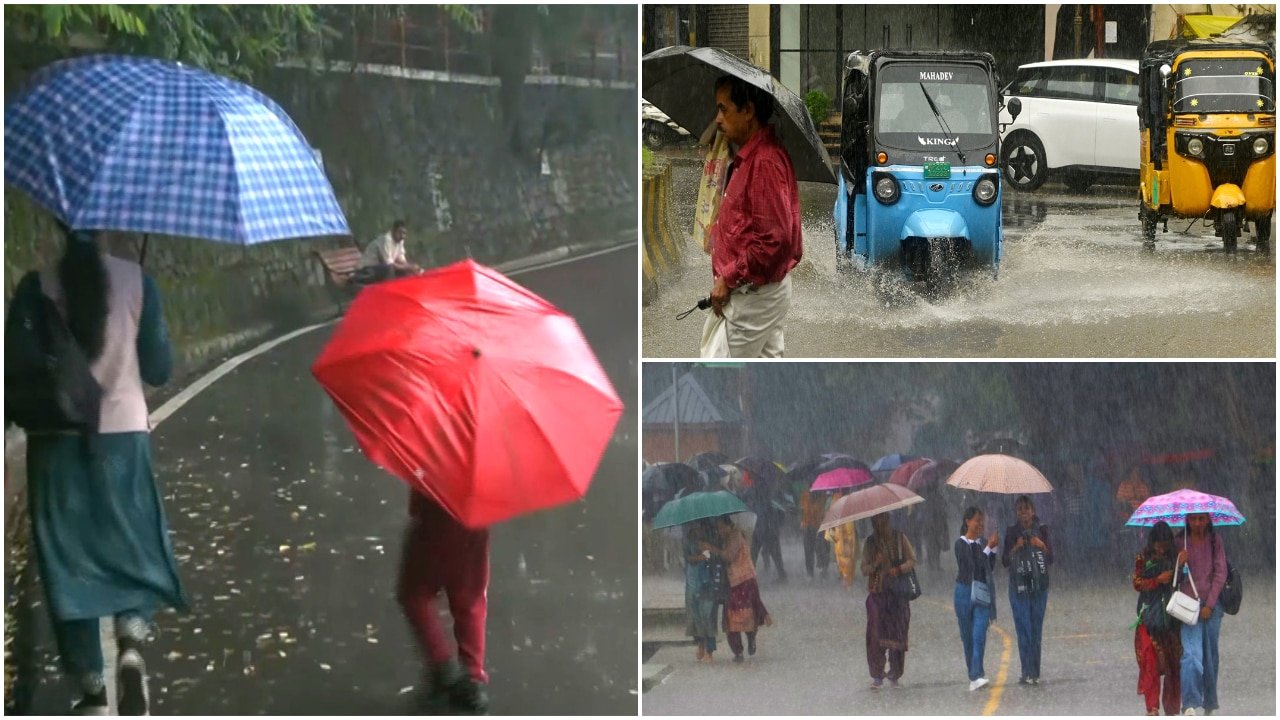
Monsoon Surge Forecast: Widespread Rainfall Expected Across Northwest India
The India Meteorological Department (IMD) has issued a comprehensive weather alert for northwest India, signaling a significant intensification of monsoon activity between August 14 and August 15. The forecast points to widespread rainfall across the National Capital Territory of Delhi, Haryana, and surrounding regions, as a low-pressure system interacts with the monsoon trough. This active weather pattern is expected to bring much-needed moisture to the region, though it arrives amidst persistent concerns regarding the capital's deteriorating atmospheric conditions.
Meteorologists indicate that the moisture-laden winds from the Arabian Sea and the Bay of Bengal are converging over the northwest plains, creating conditions conducive to moderate to heavy precipitation. While the rainfall is anticipated to provide a reprieve from the stifling humidity that has characterized the past week, the meteorological office has also issued warnings regarding potential waterlogging in low-lying areas and visibility challenges for commuters. Authorities are urging residents and agricultural stakeholders to remain vigilant as the weather system progresses through the mid-week period.
Air Quality Challenges Persist Amidst Climatic Fluctuations
Despite the anticipation of heavy rainfall, Delhi’s environmental health remains a critical point of concern. Current data from the Central Pollution Control Board indicates that the Air Quality Index (AQI) in the city has reached the 'poor' category, with specific monitoring stations such as Anand Vihar recording levels as high as 262. This reading highlights the ongoing struggle to maintain breathable air standards, even as the monsoon season typically aids in "scrubbing" particulate matter from the atmosphere.
Environmental experts note that the current atmospheric stagnation—characterized by light, variable winds and high humidity—is trapping pollutants near the surface. While the forecasted rainfall is expected to provide a temporary "washout" effect, aiding in the deposition of dust and suspended particulate matter, the improvement is likely to be transient. The interplay between urban emissions and the lingering monsoon moisture creates a complex meteorological environment where air quality remains volatile, fluctuating significantly depending on local wind speeds and the intensity of the precipitation.
Hydrological Impact and Regional Distribution
The projected rainfall is not limited to the Delhi-NCR region; the IMD’s alert extends across Haryana and parts of Punjab, where the monsoon has been erratic this season. For these agrarian heartlands, the arrival of widespread showers is a critical development for the kharif crop cycle. The distribution of this rainfall is expected to be uneven, with heavy spells likely to occur in concentrated pockets. Regional authorities have been advised to monitor water levels in local reservoirs and drainage networks to mitigate the risk of flash flooding, which can be particularly damaging to standing crops during this stage of the growth cycle.
The shift in weather patterns is driven by the oscillation of the monsoon trough, which has moved closer to the foothills of the Himalayas. This positioning is historically associated with increased rainfall in the plains of northwest India. As the system moves eastward, the intensity of the downpours will be closely watched by disaster management teams, who remain on standby to respond to potential infrastructure disruptions caused by high-intensity rainfall events.
What This Means for Farmers
For the farming community, this mid-August weather window presents both opportunities and significant management challenges. The primary implications include:
- Moisture Management: The forecasted widespread rain will likely benefit crops currently in the vegetative growth phase. Farmers are advised to ensure that field drainage systems are clear to prevent waterlogging, which can lead to root rot and nutrient leaching, particularly in fields with heavy clay soils.
- Pest and Disease Vigilance: High humidity, combined with sudden rainfall, creates an ideal environment for fungal pathogens and moisture-loving pests. Producers should conduct proactive scouting for blight, leaf spot, and aphid infestations. Preventive application of bio-fungicides or recommended treatments should be scheduled during dry intervals.
- Fertilizer Application Adjustments: Farmers should avoid surface-level application of nitrogenous fertilizers immediately before heavy rain events to prevent runoff and nitrogen loss. It is more prudent to wait for the soil to stabilize or utilize split-dose application methods to ensure maximum nutrient uptake.
- Harvesting and Storage: For those in regions where early-maturing varieties are reaching maturity, the weather alert is a signal to expedite harvesting if conditions permit. Protecting harvested produce from high moisture levels is essential to prevent post-harvest spoilage and mycotoxin development.
- Strategic Planning: While the rain provides relief from irrigation costs, it also necessitates a cautious approach to field operations. Avoiding heavy machinery movement during peak rainfall will prevent soil compaction, which can negatively impact long-term soil structure and future crop yield potential.