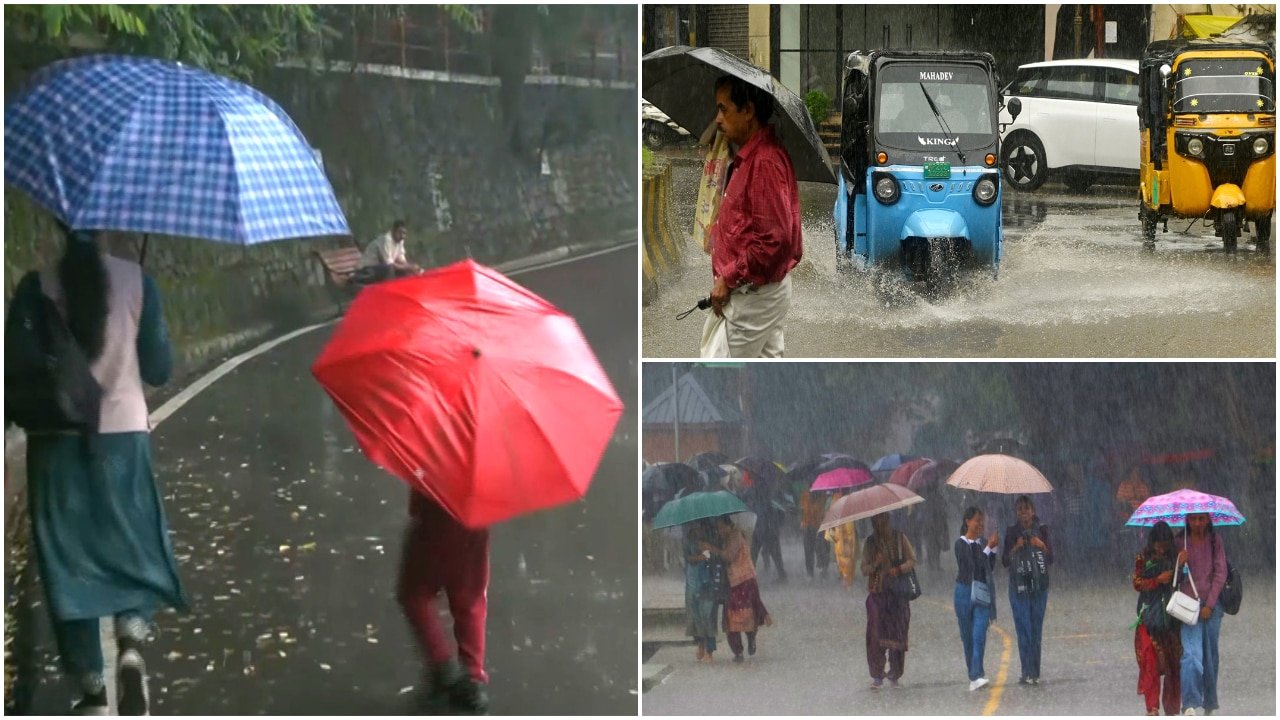
Meteorological Shift Expected to Bring Widespread Rainfall Across Northwest India
Farmers and residents across New Delhi and the broader northwest region of India are bracing for a significant shift in weather patterns as the India Meteorological Department (IMD) issues a forecast for widespread rainfall. Following a period of stagnant conditions that have hampered air quality and agricultural moisture levels, the upcoming 48-hour window is expected to bring much-needed precipitation to the plains of Haryana, Chandigarh, and the National Capital Territory.
According to the latest meteorological bulletins, the synoptic situation indicates an increase in moisture-laden winds converging over the region. This atmospheric activity is projected to intensify rainfall across northwest India starting today, August 13, with a broader, more consistent coverage expected on August 14 and 15. The forecast offers a potential reprieve from the dry spells that have plagued certain pockets of the region, though it also brings the usual logistical challenges associated with monsoon-season precipitation.
Atmospheric Conditions and Air Quality Concerns
For the past several days, the national capital and surrounding areas have struggled with poor air quality indices. The lack of significant wind speed and the absence of convective rainfall have prevented the dispersion of particulate matter, leading to a buildup of pollutants in the lower atmosphere. While rainfall is generally associated with a cleansing effect on the air, meteorologists note that the current weather system serves a dual purpose: it provides essential water for the soil while simultaneously assisting in the mechanical scrubbing of atmospheric pollutants.
The transition toward more active weather is driven by the oscillation of monsoon troughs and the interaction of local wind patterns. While widespread rainfall is anticipated, the IMD has emphasized the importance of monitoring localized intensity. In agricultural zones, the onset of these rains will be critical in replenishing subsurface moisture levels, which have been under stress due to intermittent dry phases earlier in the season. However, the intensity of the rainfall will be the deciding factor in whether the moisture proves beneficial to standing crops or leads to temporary waterlogging in low-lying fields.
Agricultural Implications of the Monsoon Pulse
The timing of this weather system is particularly significant for the kharif crop cycle. Across the agrarian belts of Haryana and neighboring regions, crops such as paddy, pulses, and oilseeds are currently in critical stages of development. Regular, moderate rainfall is essential for maintaining the vegetative growth of these crops and ensuring that nutrient uptake remains consistent. Conversely, excessive rainfall in a short span can lead to nutrient leaching or the development of fungal pathogens, particularly in crops sensitive to high humidity levels.
Agronomists are closely watching the forecast, noting that the expected rain will likely reduce the immediate reliance on groundwater for irrigation. This shift not only lowers energy costs for farmers operating electric and diesel pumps but also helps in stabilizing the soil temperature, which is vital for root development. As the region moves through the middle of August, this pulse of moisture is considered a pivotal factor in determining the overall yield potential for the season.
What This Means for Farmers
For the farming community, the IMD’s forecast necessitates a proactive approach to field management. The following considerations are recommended to mitigate risks and capitalize on the incoming rainfall:
- Drainage Management: Ensure that field drainage channels are clear of debris. Even moderate rainfall can lead to localized waterlogging in fields with poor leveling, which can suffocate root systems and cause yellowing in paddy crops.
- Nutrient Application: Avoid the application of granular fertilizers or pesticides immediately before or during heavy rain. Precipitation can lead to significant surface runoff, washing away expensive inputs and reducing the cost-effectiveness of crop management.
- Disease Monitoring: Increased humidity and soil moisture are prime conditions for the rapid spread of fungal and bacterial diseases. Farmers should monitor their fields closely over the next week for signs of leaf spots, blights, or stem rot, and be prepared to take protective measures once the weather clears.
- Harvesting and Storage: For farmers in areas where early-maturing crops may be nearing harvest, ensure that any gathered produce is stored in moisture-proof conditions. Protect harvested grains from direct exposure to rainfall to prevent quality degradation and fungal contamination.
- Irrigation Planning: Use the rainfall to recharge farm ponds and storage tanks. This captured water can serve as a vital hedge against any dry spells that may occur in the latter half of the monsoon season.
As the weather system progresses, farmers are advised to stay updated with local weather alerts and district-level advisories, which provide more granular data than broad regional forecasts. By aligning field activities with these meteorological updates, producers can optimize their water usage and better protect their harvest against the volatility of the monsoon.