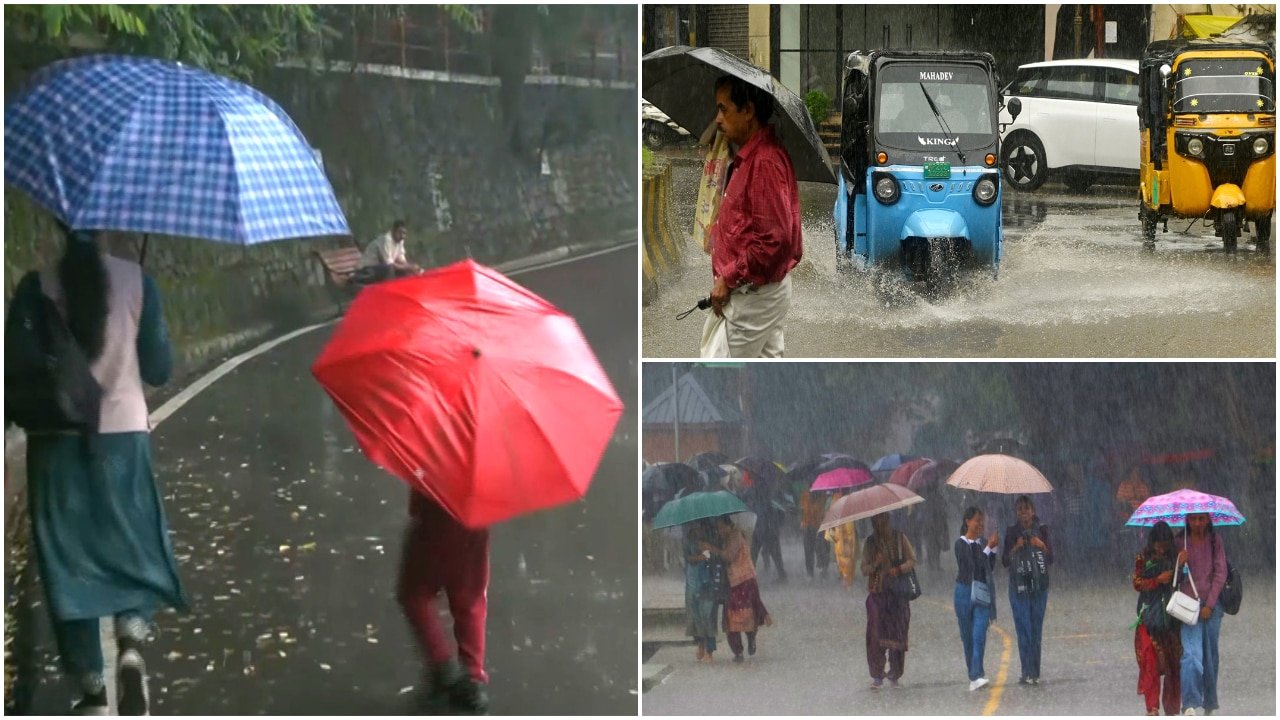
Meteorological Shift Expected Across Delhi-NCR as Rainfall Offers Respite from Humidity
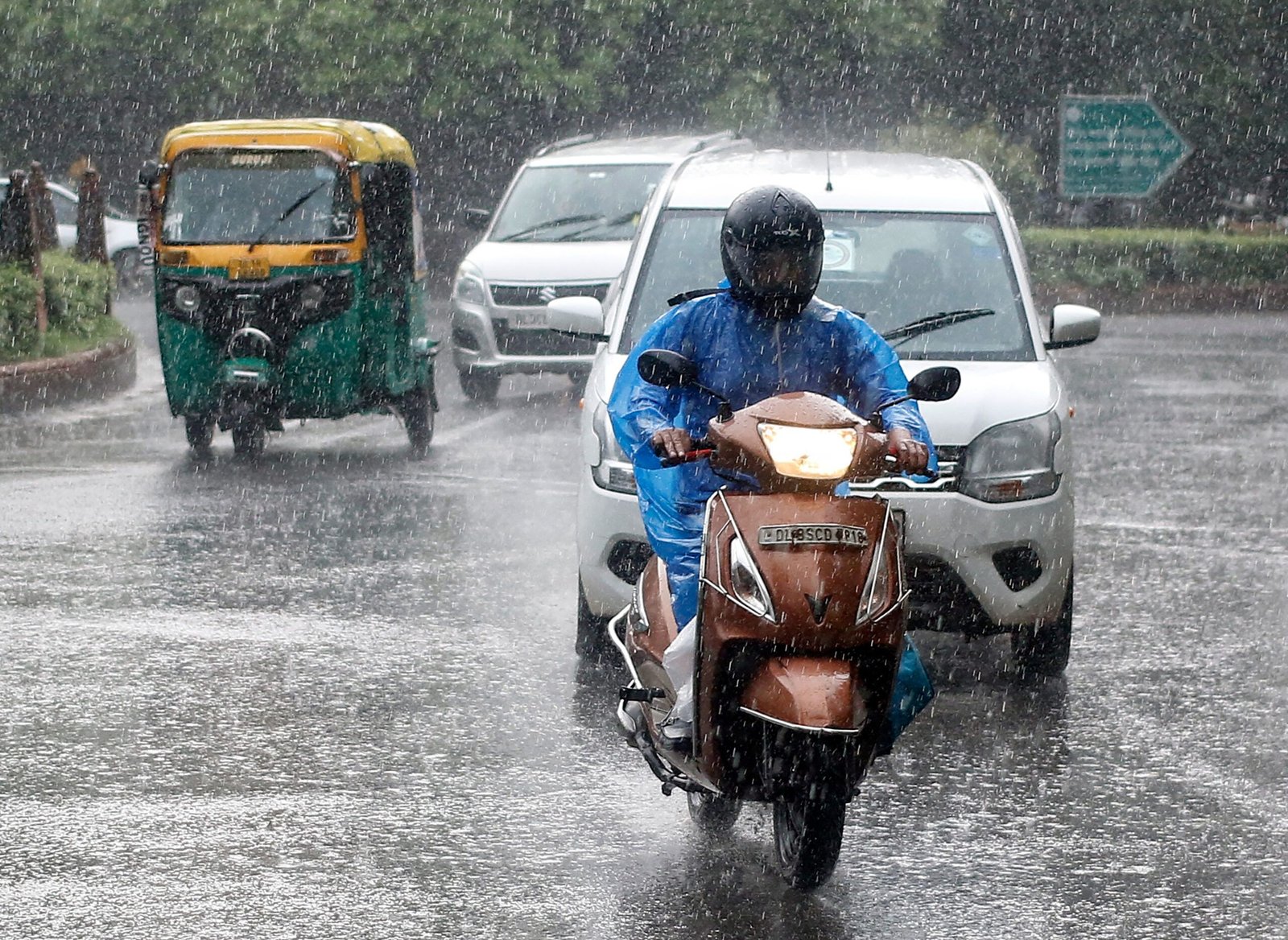
Residents and agricultural stakeholders across the National Capital Region (NCR) are bracing for a transition in weather patterns as meteorological forecasts indicate a period of increased cloud cover and intermittent precipitation. After a prolonged spell of oppressive humidity that has characterized the early part of August, the arrival of rain is anticipated to provide a temporary reprieve from the muggy conditions that have gripped the capital and its surrounding districts.
The upcoming weather system is expected to bring localized showers, which, while welcome for their cooling effects, arrive against a backdrop of persistent environmental challenges. Despite the promise of rainfall, the region continues to grapple with stagnant air quality, which remains firmly entrenched in the "poor" category. This confluence of meteorological volatility and environmental degradation presents a complex scenario for urban planners and the regional agricultural community alike.
Atmospheric Dynamics and the Persistence of Poor Air Quality
The phenomenon of "poor" air quality during the monsoon season is often counterintuitive to many residents, who typically associate rainfall with the cleansing of the atmosphere. However, meteorologists point to a combination of factors that sustain high pollution levels in the NCR even during periods of precipitation. Low wind speeds, which are common during the transition between monsoon troughs, prevent the effective dispersion of particulate matter (PM2.5 and PM10). When rainfall is light or intermittent, it often fails to provide the heavy "washout" effect necessary to significantly clear the air, instead sometimes trapping pollutants near the surface due to high humidity levels.
Furthermore, the current weather pattern is characterized by high humidity, which can lead to the formation of secondary aerosols. These particles, formed through chemical reactions in the atmosphere, continue to contribute to the overall air quality index (AQI) remaining in the poor range. For the NCR, the challenge lies in the fact that local emissions from vehicular traffic, construction dust, and industrial activity remain constant, while the atmospheric capacity to dilute these pollutants remains limited by the current weather system.
Agricultural Implications of Intermittent Rainfall
For the farming communities in the periphery of the NCR—specifically in parts of Haryana and Uttar Pradesh—the impact of this weather shift is multifaceted. While the humidity has been conducive to the growth of certain kharif crops, it has also increased the risk of fungal infections and pest outbreaks. The expected rain spells may provide necessary moisture for fields that have seen dry patches, but farmers must exercise caution regarding crop management during this time.
Excessive moisture on foliage, when coupled with warm temperatures, creates an ideal environment for diseases such as blight or various leaf spot pathogens. Agronomists suggest that the intermittent nature of these showers requires farmers to remain vigilant about drainage in their fields. Waterlogging, even on a small scale, can impede root respiration and lead to nutrient leaching, potentially affecting the yield potential of crops currently in their vegetative or reproductive stages.
What This Means for Farmers
The current weather forecast serves as a critical reminder for farmers to transition from passive monitoring to active crop management. The following steps are recommended to mitigate risks associated with the predicted rainfall and poor air quality conditions:
- Enhance Field Drainage: Ensure that irrigation channels and field drains are clear to prevent water stagnation. Even moderate rainfall can lead to localized flooding in low-lying areas, which can cause significant root stress.
- Monitor for Pathogens: With high humidity and intermittent rain, the risk of fungal and bacterial infections is elevated. Farmers should scout their fields regularly for signs of yellowing leaves, spots, or unusual wilting, and consult with local agricultural extension offices regarding the appropriate timing for protective fungicide applications.
- Optimize Fertilizer Application: Given the potential for nutrient leaching during rainfall, avoid heavy top-dressing of fertilizers immediately before predicted rain spells. It is more effective to apply nutrients in split doses to ensure better uptake and minimize runoff.
- Prioritize Personal Health: The "poor" air quality index poses risks not only to urban populations but also to those working outdoors. Farmers and field laborers should be aware that high particulate matter levels can exacerbate respiratory issues. Where possible, avoid strenuous physical labor during the peak hours of air stagnation, and consider using protective masks when operating machinery that kicks up dust, as the combination of pollutants and dust can be particularly hazardous.
- Stay Informed: Continue to monitor district-specific weather alerts, as localized rainfall can be highly unpredictable. Utilizing real-time weather data can help in making informed decisions regarding harvesting or post-harvest storage, ensuring that produce is protected from unexpected downpours.