Monsoon Intensifies Across Northern India: IMD Issues Multi-State Alerts
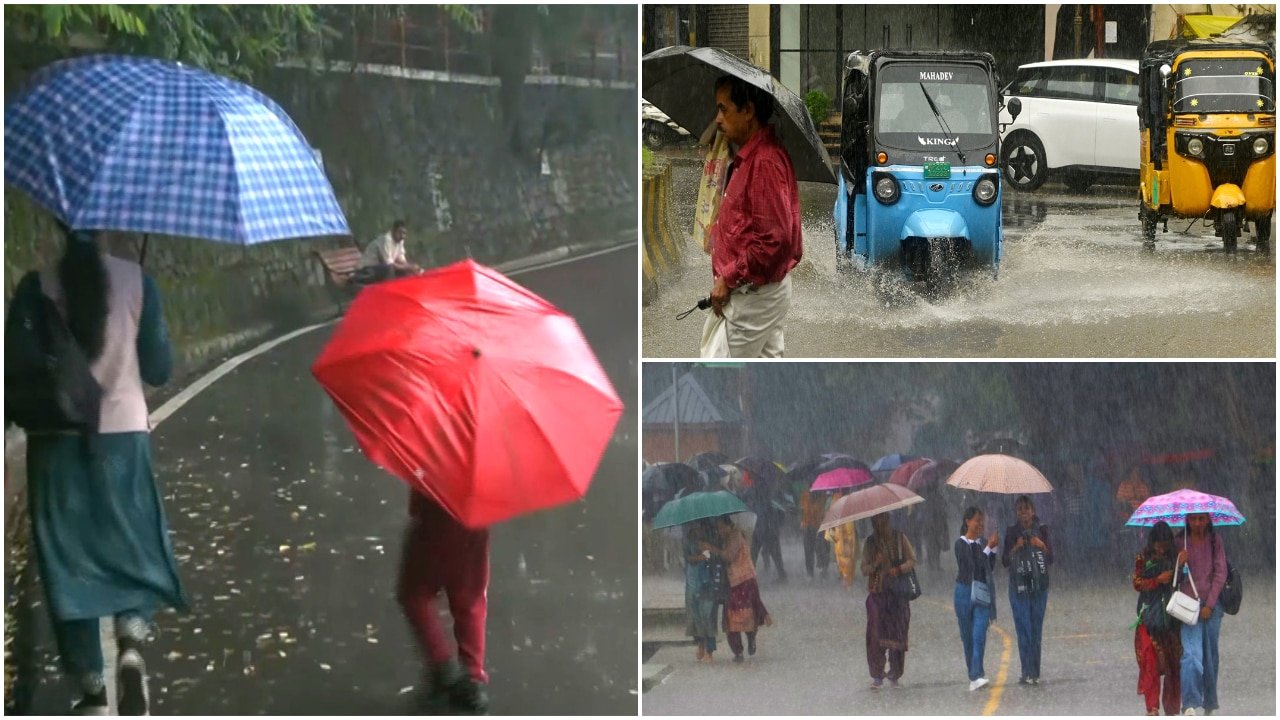
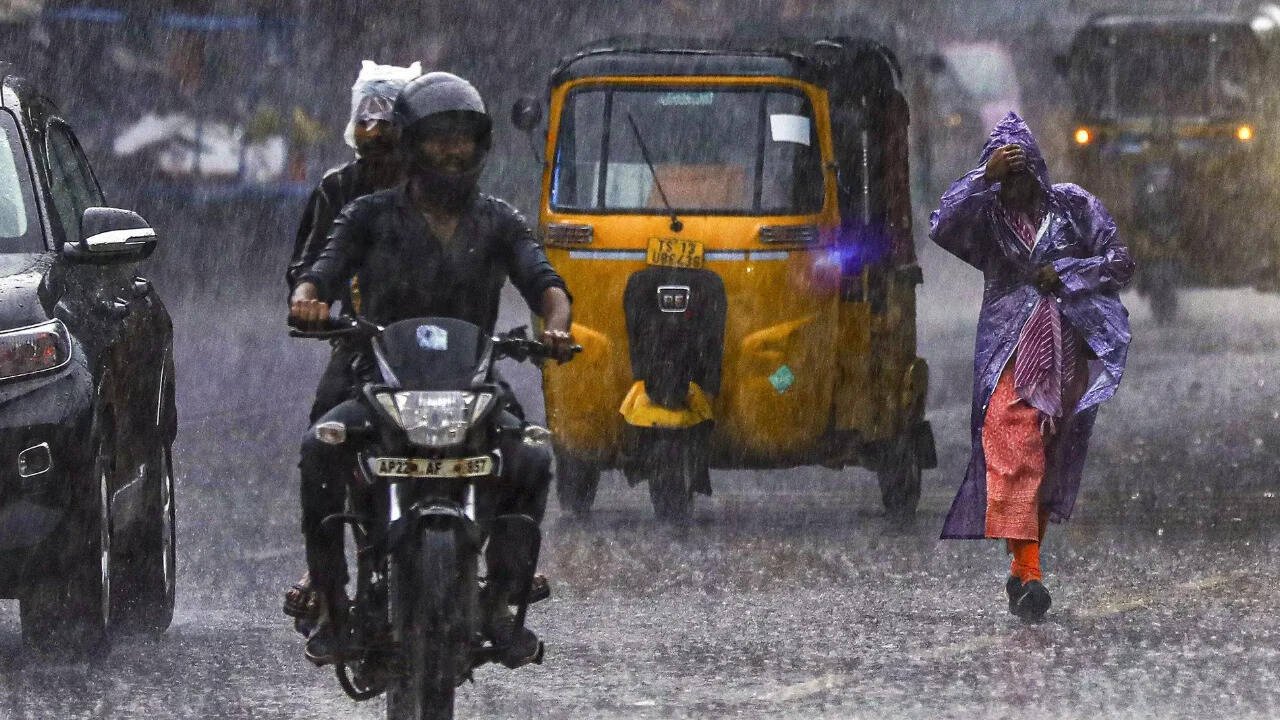
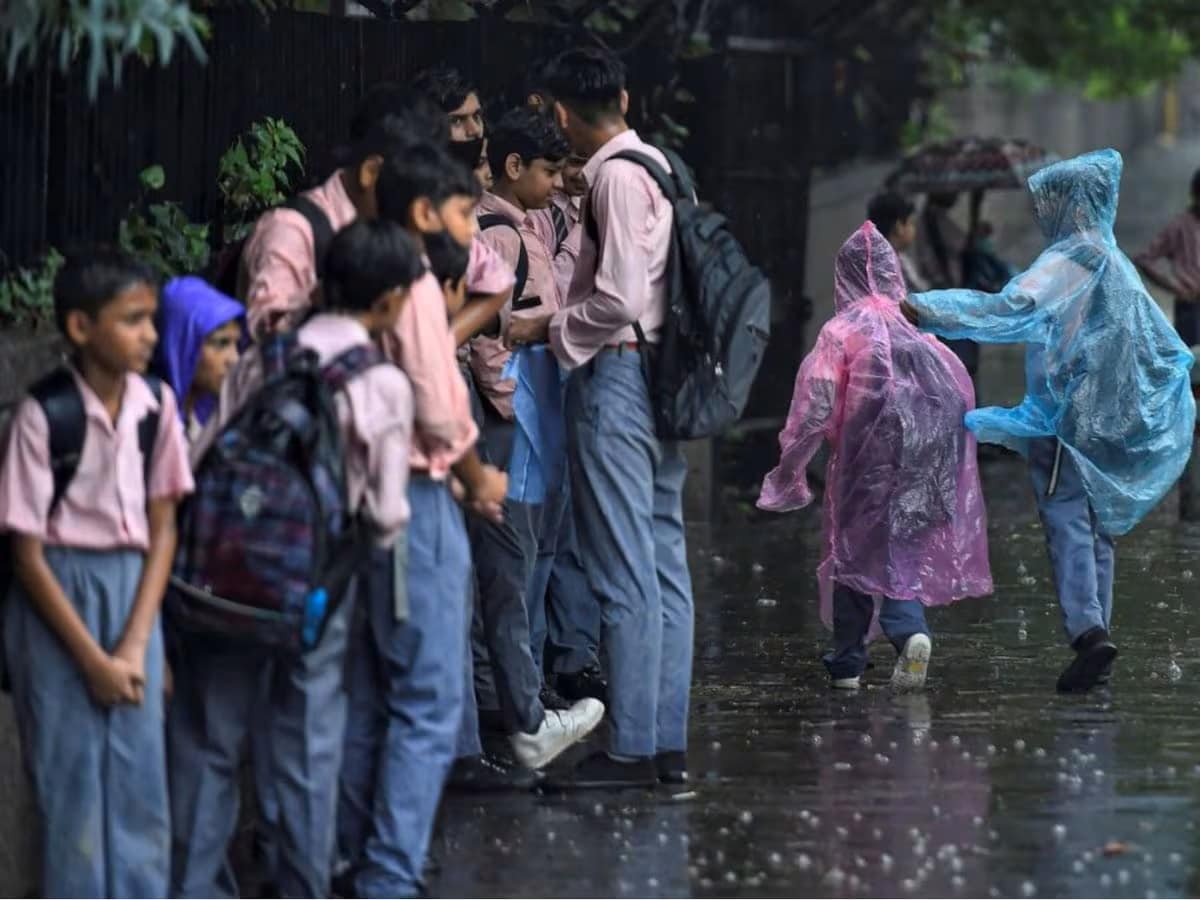
The monsoon season has entered a heightened phase of activity across North India, with the national capital, Delhi, receiving significant rainfall that has brought both relief from persistent humidity and warnings of potential civic disruption. The India Meteorological Department (IMD) has issued a series of weather alerts as a low-pressure system interacts with established atmospheric currents, triggering widespread precipitation across several states. While the rain is essential for replenishing groundwater levels and supporting late-season crop development, the intensity of the downpours has prompted authorities to advise caution regarding infrastructure and transport networks.
The meteorological situation is currently characterized by a convergence of moisture-laden winds from the Arabian Sea and the Bay of Bengal. This atmospheric setup has created favorable conditions for convective activity, leading to sudden, intense bursts of rainfall accompanied by frequent lightning and high-velocity gusty winds. As urban centers manage the immediate impact of waterlogging, agricultural zones are bracing for the potential effects of excessive moisture on standing crops.
Regional Weather Volatility: Rajasthan and Himachal Pradesh Under Scrutiny
While Delhi experiences intermittent showers, the IMD has flagged neighboring regions for more severe weather patterns. Rajasthan and Himachal Pradesh are currently under high-priority warnings, with meteorologists predicting very heavy rainfall in localized pockets. For Himachal Pradesh, the combination of steep topography and heavy precipitation presents a persistent risk of landslides and flash floods, which can severely disrupt rural supply chains and the transport of perishable horticultural produce to regional markets.
In Rajasthan, the rainfall is being closely monitored for its impact on the arid landscape. While the state frequently struggles with moisture deficits, the current forecast of heavy rain poses a different set of challenges, particularly in low-lying areas where drainage systems may be overwhelmed. The IMD’s yellow alert serves as a precautionary measure, signaling that while the weather is expected to remain unsettled, citizens and agricultural operators should prepare for rapid shifts in conditions, including reduced visibility and the potential for localized flooding.
The Broader Atmospheric Outlook: Thunderstorms and Gusty Winds
Beyond the immediate rainfall, the IMD has highlighted the risk of severe thunderstorms and lightning strikes across several states in Northern and Central India. These phenomena are particularly dangerous during the monsoon transition, as they often occur with little warning. The combination of gusty winds and heavy rain creates a volatile environment for both urban infrastructure and rural landscapes.
The IMD’s advisory emphasizes the importance of monitoring real-time updates, as these weather systems are highly dynamic. The intensity of the current spell is expected to persist over the coming days, with the moisture-laden clouds moving across the Indo-Gangetic plain. Agricultural extension services are working to disseminate information to rural communities, urging farmers to secure livestock and ensure that irrigation channels are clear of debris to prevent unnecessary flooding of fields.
What This Means for Farmers
For the agricultural community, this period of heavy, unpredictable rainfall requires a strategic shift in field management. The immediate economic consequences of such weather patterns are multifaceted, and farmers should consider the following practical steps:
- Field Drainage Management: In regions expecting heavy rainfall, ensuring that field drainage systems are functional is critical. Waterlogging can lead to root rot and nutrient leaching, which can significantly reduce yields for crops currently in the vegetative or flowering stages.
- Postponing Chemical Applications: Farmers are advised to avoid applying pesticides, herbicides, or fertilizers during periods of high wind and forecast rain. Rainfall immediately following application can wash away treatments, leading to economic waste and potential environmental runoff issues.
- Livestock Safety: With warnings of lightning and gusty winds, livestock should be moved to secure, sheltered structures. High-intensity storms can lead to stress in animals and increase the risk of injury from structural damage or direct lightning strikes.
- Supply Chain Awareness: Producers involved in the transport of perishables should anticipate potential logistical disruptions. Road connectivity in hilly areas may be compromised, and transit times for produce reaching urban markets may increase. Adjusting harvest schedules to avoid the peak of the storm can help minimize post-harvest losses.
- Monitoring Soil Health: Once the heavy rains subside, farmers should assess their fields for crusting or soil compaction. A proactive approach to soil aeration and the monitoring of fungal pathogens, which thrive in high-humidity, post-rain environments, will be essential for maintaining crop health throughout the remainder of the season.