Delhi and Northwest India Brace for Intense Monsoon Deluge
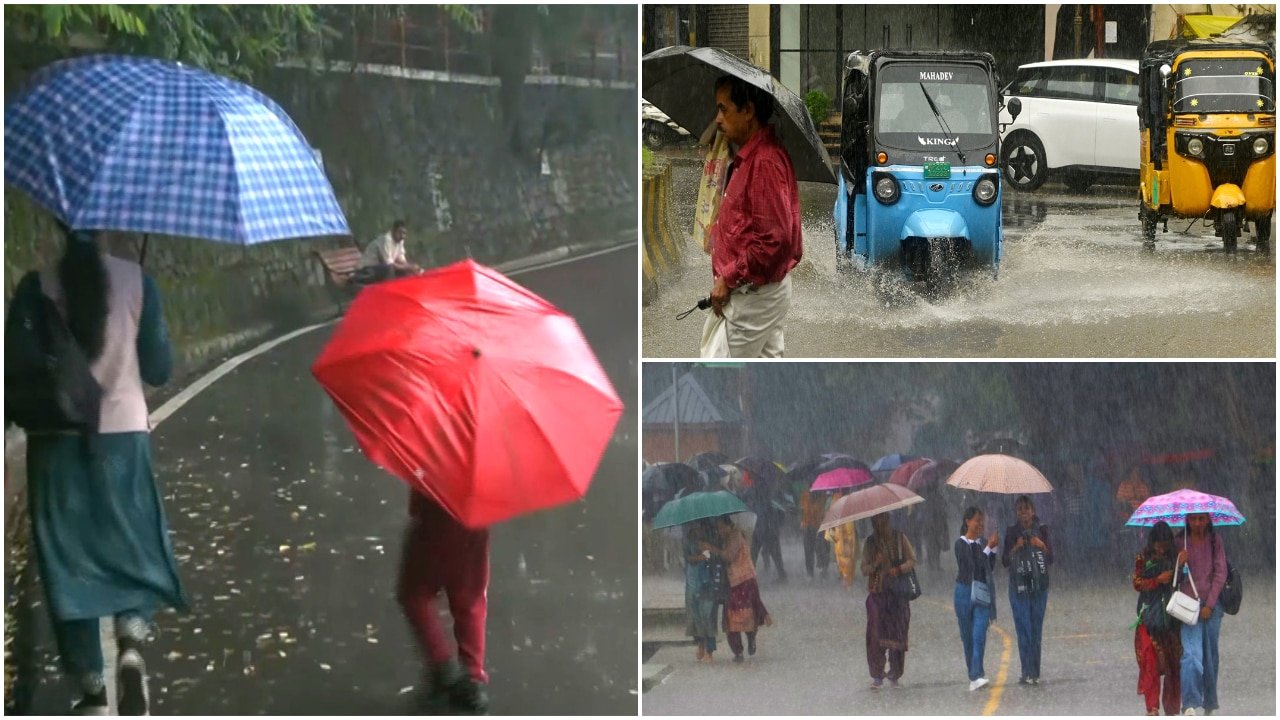
The monsoon season across Northwest India is entering a period of heightened activity, with meteorological authorities issuing warnings of an intense spell of rainfall expected to impact the region over the coming days. Delhi, along with its surrounding National Capital Region, is preparing for a wet start to the week as a robust weather system moves across the northern plains. This meteorological shift is anticipated to bring widespread precipitation, raising concerns regarding urban infrastructure, agricultural stability, and regional transport connectivity.
The core of this weather event is centered on the Himalayan states, where the intensity of the monsoon is expected to be most pronounced. Jammu and Kashmir, along with Himachal Pradesh, are currently under high-alert status as persistent, heavy rainfall threatens to exacerbate existing vulnerabilities in the mountainous terrain. For the millions of residents and the vast agricultural communities across these regions, the next 48 to 72 hours will be critical as the monsoon trough remains active over the northern latitudes.
High-Risk Conditions in Himalayan States
Meteorological data indicates that the intense spell of rain is projected to persist in Jammu and Kashmir through Wednesday, while Himachal Pradesh is expected to face similar conditions until Tuesday. These regions, characterized by fragile geological structures and steep gradients, are particularly susceptible to the secondary impacts of prolonged heavy precipitation. The primary concern among regional authorities is the increased risk of flash floods and landslides, which have historically caused significant disruption to local infrastructure and supply chains.
Beyond the immediate threat to life and property, these weather patterns often lead to substantial waterlogging in low-lying areas and the swelling of mountain streams and rivers. The sustained nature of this rainfall—rather than short, isolated bursts—means that soil saturation levels are likely to reach critical thresholds. This increases the susceptibility of slope instability, posing a recurring threat to arterial roads, mountain passes, and vital transport links that connect remote farming communities to regional trade hubs.
Impacts on Urban Centers and Regional Infrastructure
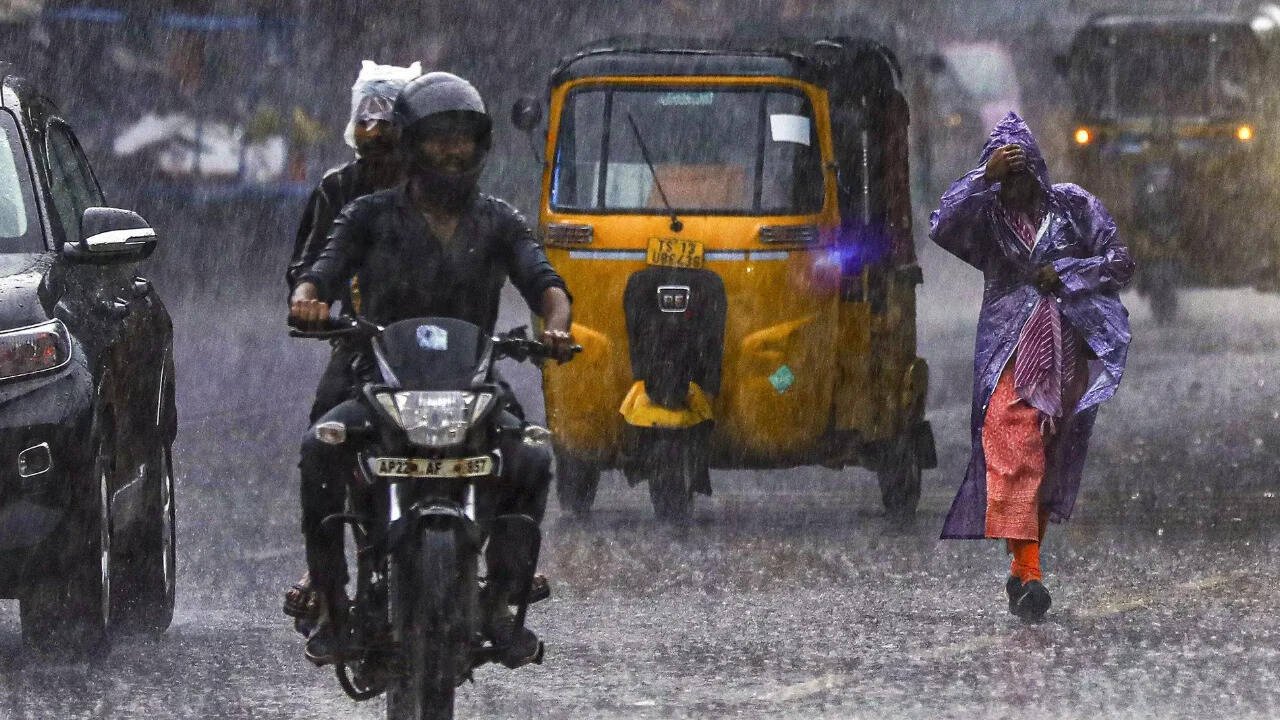
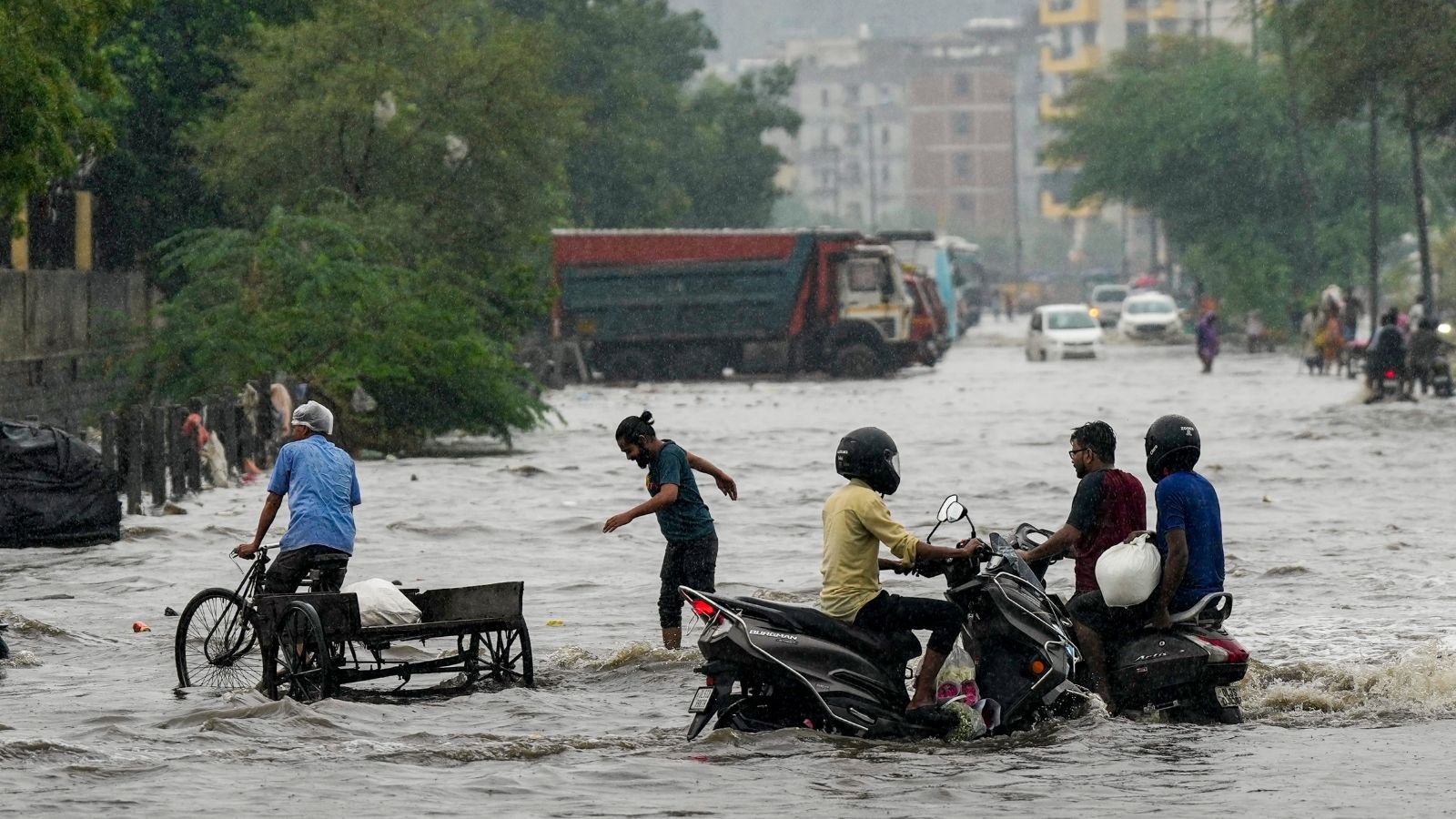
In the plains, particularly in and around Delhi, the forecast suggests a period of significant urban disruption. The expected rainfall is likely to overwhelm drainage systems, leading to widespread waterlogging in metropolitan areas. For commuters and logistics providers, this poses a substantial challenge, as traffic flow is expected to be severely hampered, potentially impacting the delivery of perishable agricultural commodities into the capital’s wholesale markets.
The atmospheric conditions driving this spell involve a confluence of moisture-laden winds from the Arabian Sea and the Bay of Bengal, converging over the northern states. This creates a sustained atmospheric instability that prevents the monsoon from transitioning into a weaker phase. While the rain is beneficial for replenishing groundwater levels and supporting late-season crop development in the plains, the intensity of this particular spell necessitates a heightened state of preparedness for both municipal bodies and the rural population.
What This Means for Farmers
For the farming community, this intense monsoon spell presents a complex set of challenges and considerations. While the replenishment of irrigation reservoirs is a long-term benefit, the immediate impact requires proactive management to minimize crop damage and economic loss.
- Mitigating Waterlogging: Farmers in low-lying areas should ensure that drainage channels in their fields are clear and operational. Excessive standing water, particularly in vegetable and horticultural crops, can lead to root rot and nutrient leaching, which significantly impacts yield quality.
- Post-Harvest and Storage Security: For those who have recently harvested seasonal produce, it is imperative to move inventory to elevated, moisture-free storage facilities. Increased humidity levels during this period can lead to rapid fungal growth and spoilage in stored grains and pulses.
- Livestock Safety: In mountainous and rural areas, livestock should be moved to higher ground and secure shelters. The risk of flash floods in grazing areas is elevated, and farmers should avoid tethering animals near riverbanks or narrow gullies that are prone to sudden surges in water volume.
- Market Logistics: Expect potential delays in the transport of produce to wholesale markets. Farmers should maintain close contact with local transport aggregators and cooperative societies to stay informed about road closures and the viability of delivery routes.
- Disease Prevention: High humidity and heavy rain create the perfect environment for the proliferation of pests and fungal pathogens. Once the weather clears, farmers should scout their fields for early signs of disease and be prepared to implement protective measures or targeted treatments to safeguard crop health.
By staying vigilant and prioritizing the security of both their standing crops and stored assets, agricultural stakeholders can better navigate the risks posed by this intense monsoon activity. Maintaining clear lines of communication with local agricultural extension services is advised to receive real-time updates as the weather system evolves.