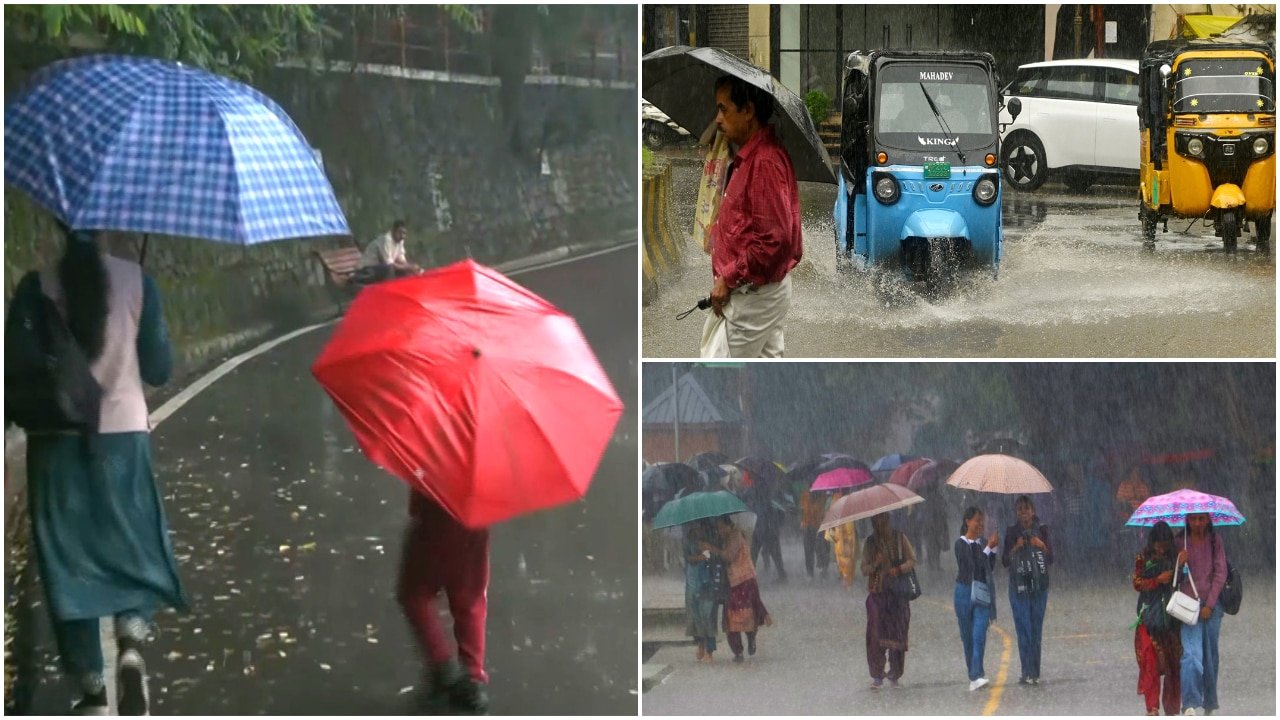
Monsoon Surge Expected: Northwest India Prepares for Widespread Rainfall
Farmers and residents across northwest India are bracing for a period of intensified weather activity as the India Meteorological Department (IMD) issues a forecast for widespread rainfall spanning the mid-August period. The upcoming weather system is expected to impact a broad geographical belt, with focused precipitation anticipated across Delhi, Haryana, and Chandigarh on August 14 and 15.
This development comes as a critical juncture for the regional monsoon cycle. While the monsoon has been active across various parts of the country, the uneven distribution of rainfall has remained a primary concern for the agricultural sector. The IMD’s latest bulletin suggests that a combination of atmospheric factors is likely to channel moisture-laden winds toward the northwest plains, potentially providing much-needed relief to regions that have experienced dry spells or inconsistent irrigation cycles over the past few weeks.
Synoptic Features and Regional Impact
Meteorological experts attribute this anticipated spell of rain to the movement of a low-pressure area and the shifting position of the monsoon trough. When the monsoon trough—a low-pressure belt that dictates the path of rain-bearing winds—moves closer to the foothills of the Himalayas, it typically triggers heavy to very heavy rainfall across the plains of northern India.
For the National Capital Region (NCR), Haryana, and Chandigarh, this implies more than just a temporary drop in temperatures. Widespread showers are expected to consolidate soil moisture levels, which is a vital component for the current cropping season. However, the intensity of such systems also brings the risk of localized waterlogging in low-lying agricultural fields and urban infrastructure. The IMD has advised local authorities to remain vigilant, as rapid accumulation of water can affect standing crops, particularly those in the vegetative growth stage that are sensitive to excessive root-zone saturation.
Agrometeorological Outlook: Managing Crop Health
The timing of these rains is particularly significant for the Kharif season. Crops such as paddy, which are currently in their active growth and tillering phases, generally benefit from consistent moisture. However, the challenge lies in the management of nutrient runoff and the potential for increased pest and disease pressure. High humidity levels, often synonymous with post-rain scenarios, create an ideal microclimate for fungal pathogens and certain insect pests to thrive.
Agronomists emphasize that while the rainfall is a welcome boost to reservoir levels and groundwater recharge, farmers must prioritize field drainage. Ensuring that excess water can exit the field efficiently is the most effective way to prevent crop lodging and root rot. Furthermore, the cloudy conditions expected alongside the showers may reduce sunshine hours, which can slightly temper the photosynthetic rate of crops. Farmers are encouraged to monitor their fields closely for any signs of nutrient deficiency that might arise as a result of heavy leaching during these intense downpours.
What This Means for Farmers
The forecast for widespread rainfall brings both opportunities and operational challenges for the farming community in northwest India. To navigate this period effectively, farmers should consider the following actionable steps:
- Prioritize Field Drainage: Before the onset of the heaviest rains, inspect and clear drainage channels around paddy fields and vegetable plots to prevent water stagnation, which can lead to significant yield losses.
- Adjust Fertilizer Application: Postpone the application of granular fertilizers such as urea or potassium until after the heavy rainfall subsides. Applying nutrients just before a predicted downpour leads to significant leaching, rendering the application ineffective and increasing input costs.
- Monitor for Pests and Diseases: Increased humidity is a precursor to fungal infections. Scout fields regularly for signs of leaf spots, blights, or sudden pest infestations. Proactive, localized treatments are more cost-effective than attempting to manage a widespread outbreak after the weather clears.
- Protect Harvested Produce: For farmers who may have early-harvested crops or perishables in storage, ensure that warehouses and drying yards are adequately weather-proofed to prevent moisture damage and spoilage.
- Economic Planning: Use the anticipated rainfall to optimize irrigation schedules. By leveraging the natural moisture input, farmers can reduce electricity consumption for pump sets, thereby lowering the overall cost of production for the current cycle.
Ultimately, while the IMD forecast indicates a period of potential disruption, it also offers a vital recharge for the region's agricultural water security. By staying informed through local weather updates and maintaining proactive field management, farmers can mitigate the risks associated with the upcoming wet spell and maximize the benefits of the monsoon moisture.