Monsoon Intensity Peaks: Widespread Rainfall Disrupts Agriculture Across Key Indian States
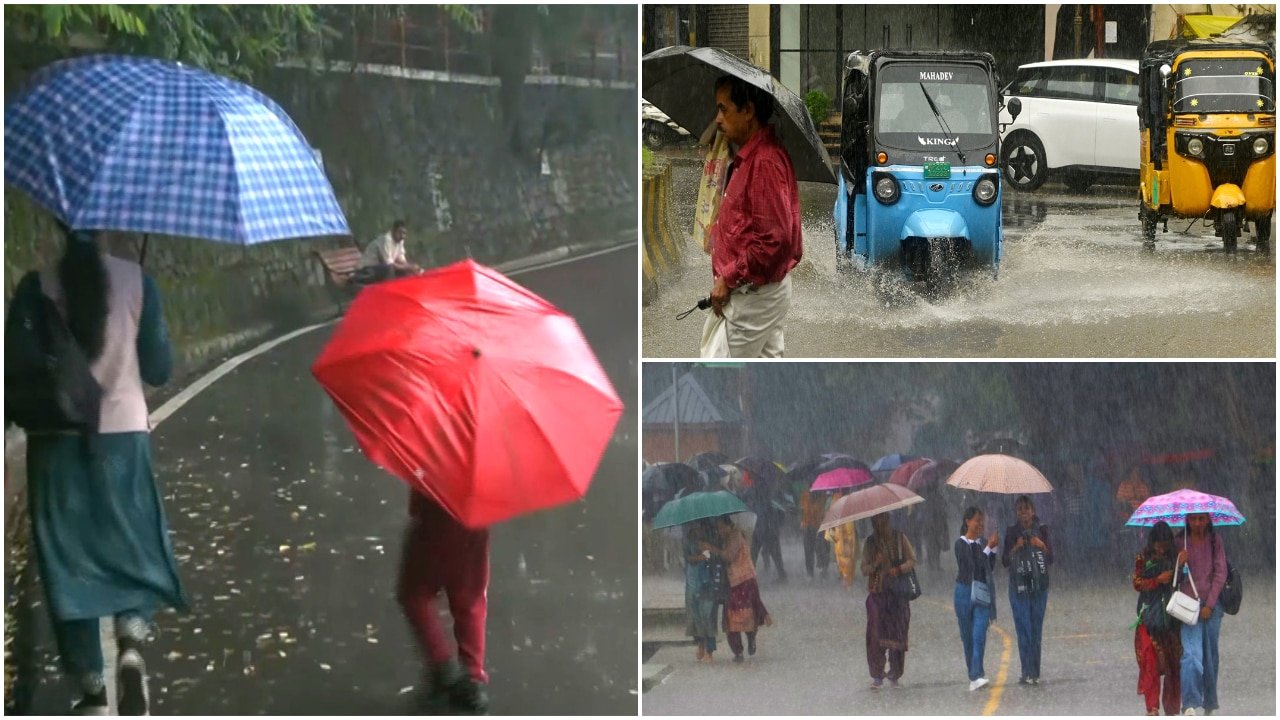
The Indian monsoon season has entered a highly active phase, with intense low-pressure systems triggering significant weather instability across several major agricultural hubs. The India Meteorological Department (IMD) has issued a series of orange alerts, signaling the potential for heavy to very heavy rainfall in Rajasthan, West Bengal, Maharashtra, and Odisha. These weather patterns, characterized by sustained moisture incursion and atmospheric instability, are reshaping the immediate landscape for farmers and rural communities as the monsoon trough continues its erratic trajectory.
The current meteorological data indicates that the interaction between shifting wind patterns and local moisture availability is fueling thunderstorms and localized flooding. While monsoon precipitation is vital for the replenishment of groundwater reserves and the sustained health of the kharif crop, the sheer volume of rainfall concentrated in short windows poses significant logistical and agronomic challenges. Meteorological experts advise that the combination of high wind speeds and heavy downpours necessitates heightened vigilance across both low-lying agrarian plains and coastal regions prone to sudden waterlogging.
Regional Impact and Meteorological Drivers
The intensification of rainfall in Rajasthan is particularly noteworthy, as the state often experiences a delicate balance between drought resilience and flash flooding. In regions typically accustomed to arid conditions, the current deluge threatens to overwhelm drainage infrastructure. Simultaneously, West Bengal and Odisha are grappling with the coastal impact of these low-pressure systems, which are driving heavy rainfall into river basins already nearing capacity. The risk of soil erosion and the leaching of essential soil nutrients remains a primary concern for agronomists operating in these high-precipitation zones.
Maharashtra, a critical state for the production of pulses, cotton, and oilseeds, is also witnessing significant moisture stress. While the rainfall is essential for crop development, the intensity recorded in the last 48 hours risks causing water stagnation in fields where drainage is not optimized. The ongoing thunderstorms accompanying these rain events further increase the risk of physical crop damage, such as lodging, where stalks are bent or broken by wind and heavy water accumulation. Meteorological agencies are closely monitoring the movement of these systems to provide localized updates as the weather front progresses across the subcontinent.
Mitigating Risks and Protecting Harvests
As the monsoon continues to exhibit high volatility, the primary objective for the agricultural sector must be the protection of standing crops and the preservation of stored inputs. Farmers are encouraged to prioritize the maintenance of field drainage channels to prevent waterlogging, which can lead to fungal infections and root rot. In areas where heavy rainfall is persistent, the application of fertilizers and pesticides should be deferred until conditions stabilize to prevent the immediate runoff of these costly inputs into surrounding water bodies.
Furthermore, livestock management has become a critical focal point during these periods of extreme weather. Ensuring that animals are sheltered in elevated, dry environments is essential to preventing the onset of water-borne diseases and respiratory issues that frequently follow persistent, heavy rainfall. The agricultural community is urged to maintain constant contact with local extension offices and regional weather advisory services to stay informed of shifting alerts and to implement site-specific safety measures promptly.
What This Means for Farmers
The current weather alerts carry significant economic and operational implications for farmers across the affected states. Firstly, the risk of crop damage from waterlogging is high; farmers should inspect their fields immediately following heavy downpours to clear any obstructions in drainage pathways. In regions where crops are in critical growth stages, the threat of nutrient leaching may necessitate a re-evaluation of post-rain fertilization strategies once the soil moisture levels normalize.
Secondly, the volatility of this monsoon phase underscores the importance of crop insurance and risk management. Farmers are advised to document any localized weather damage—through photographs or detailed logs—to facilitate potential claims processes should the rainfall result in significant yield loss. Thirdly, from a market perspective, localized disruptions to transport and supply chain infrastructure are likely. Producers should monitor local market price fluctuations and potential delays in the movement of perishable goods. Ultimately, the focus must remain on adaptive management: adjusting field operations to align with real-time weather alerts and prioritizing the preservation of soil structure and crop health until the intensity of the current low-pressure systems subsides.