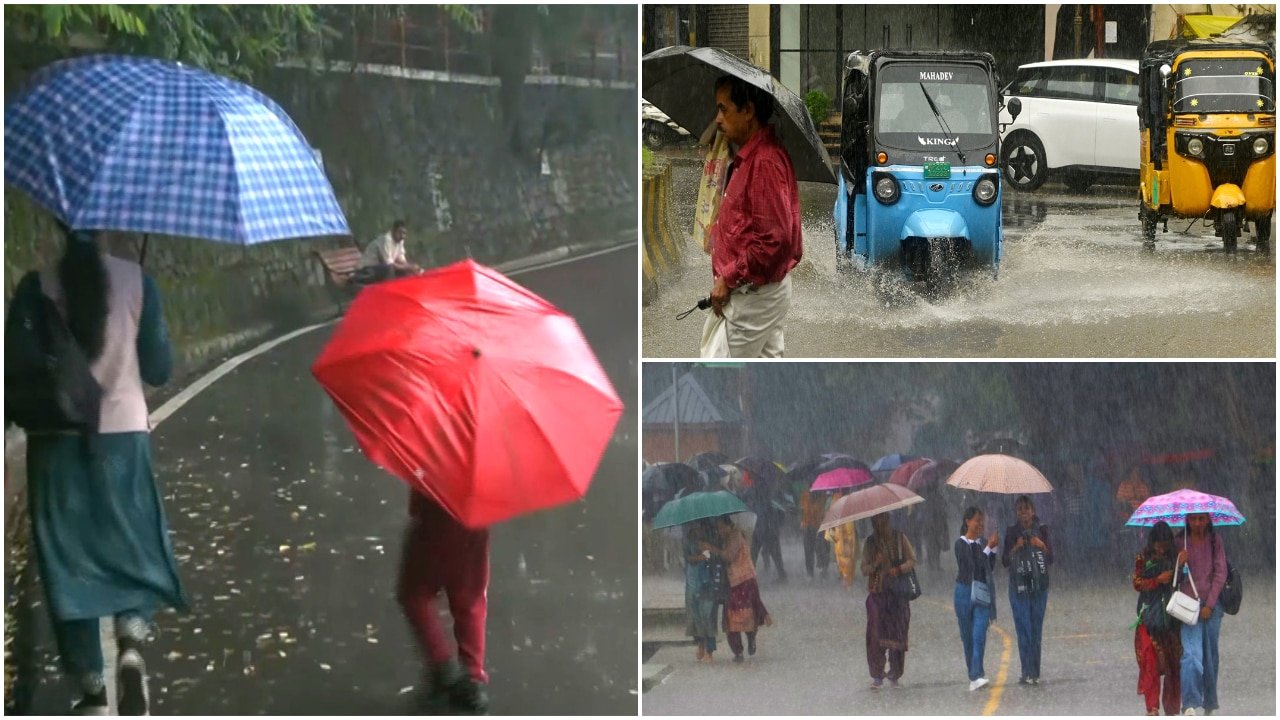
Monsoon Intensifies: Heavy Rainfall Alerts Issued Across Key Agricultural Belts
The India Meteorological Department (IMD) has issued a series of high-level weather alerts as the monsoon trough shifts, triggering intense meteorological activity across several regions. A Red Alert—the highest level of warning—has been issued for West Bengal and Sikkim, indicating the potential for extremely heavy rainfall that could lead to significant infrastructure and agricultural disruptions. Simultaneously, an Orange Alert has been activated for Uttarakhand and several states in Northeast India, signaling a high probability of severe weather events, including landslides and flash floods.
The current weather pattern is being driven by a well-defined low-pressure system interacting with the active monsoon trough. This alignment is facilitating a massive influx of moisture from the Bay of Bengal, resulting in sustained, high-intensity precipitation. While these regions brace for deluge, other parts of the country, particularly the Delhi-NCR region and neighboring states, continue to grapple with persistent humid heat. This dichotomy in weather patterns underscores the complex nature of the current monsoon season, which is balancing between flood-risk zones and areas facing prolonged heat stress.
Geographic Scope and Meteorological Drivers
The Red Alert for West Bengal and Sikkim is not merely a forecast of rain; it represents a critical threat to the region's topography. The combination of intense rainfall and the mountainous terrain of the Himalayas increases the risk of soil saturation, leading to potential landslides and the swelling of rivers. Meteorologists are closely monitoring the low-pressure system, which is currently stationary enough to cause prolonged downpours over specific districts.
In Uttarakhand, the Orange Alert reflects the precarious nature of the monsoon in hilly regions. Here, the challenge lies in the rapid runoff that follows heavy showers, which can overwhelm local drainage systems and compromise rural roads. Meanwhile, in the Northeast, the accumulation of rainfall over the past several weeks has already saturated the soil, making the current forecast particularly concerning for low-lying areas. Beyond these flood-prone zones, the national capital and surrounding areas remain under the grip of a humid heat wave. The lack of significant cloud cover in these regions has allowed solar radiation to heat the surface, while high humidity levels have suppressed evaporation, keeping the "feels-like" temperature significantly higher than the actual recorded mercury levels.
Safety and Operational Advisories
Authorities have issued stringent advisories for residents and stakeholders in the affected zones. In regions under Red and Orange alerts, local administrations are coordinating with disaster response teams to ensure that evacuation routes are clear and that emergency services are on high standby. Fishermen have been strictly advised to avoid venturing into the rough waters of the Bay of Bengal, where squally winds and high sea states are expected to persist for the next 48 to 72 hours.
For the general public, the focus remains on minimizing exposure to severe weather. In the humid heat zones, health officials are emphasizing the importance of hydration and limiting outdoor activities during peak sun hours. The meteorological department continues to provide real-time updates, urging citizens to monitor local weather bulletins and adhere to the guidance provided by district authorities to mitigate risks associated with lightning strikes and wind-driven damage.
What This Means for Farmers
The current weather outlook presents a mixed bag of challenges for the agricultural sector, requiring immediate and proactive management strategies:
- Flood Mitigation and Drainage: In West Bengal, Sikkim, and the Northeast, the primary concern is waterlogging. Farmers must ensure that drainage channels in paddy fields and vegetable plots are clear to prevent root rot and crop drowning. If fields are prone to flooding, creating temporary trenches can help redirect excess water away from high-value crops.
- Pest and Disease Management: High humidity and heavy rainfall create the perfect breeding ground for fungal and bacterial infections. Farmers should be prepared to inspect crops for signs of blight or fungal leaf spots as soon as the weather clears. Preventive application of fungicides may be necessary in consultation with local agricultural extension officers.
- Protecting Livestock: Heavy rain and strong winds can pose direct risks to livestock. Ensure that shelters are structurally sound and that drainage around animal housing is adequate. Keep fodder in dry, elevated areas to prevent spoilage from moisture, which can lead to mycotoxin contamination.
- Managing Heat Stress: In regions experiencing humid heat, crops like maize and pulses may suffer from heat-induced wilting. Providing light, frequent irrigation can help maintain soil moisture and cool the microclimate around the crops. For livestock in these regions, ensure constant access to clean water and provide shade to prevent heat stroke.
- Post-Harvest Precautions: For farmers in regions currently experiencing rain, avoid harvesting operations until the weather stabilizes. Stored grain should be kept in moisture-proof containers to prevent mold growth, which is a significant risk during periods of high atmospheric humidity.
By staying vigilant and adjusting field operations to match the real-time weather alerts, farmers can minimize the economic impact of these extreme weather events and better safeguard their seasonal investments.