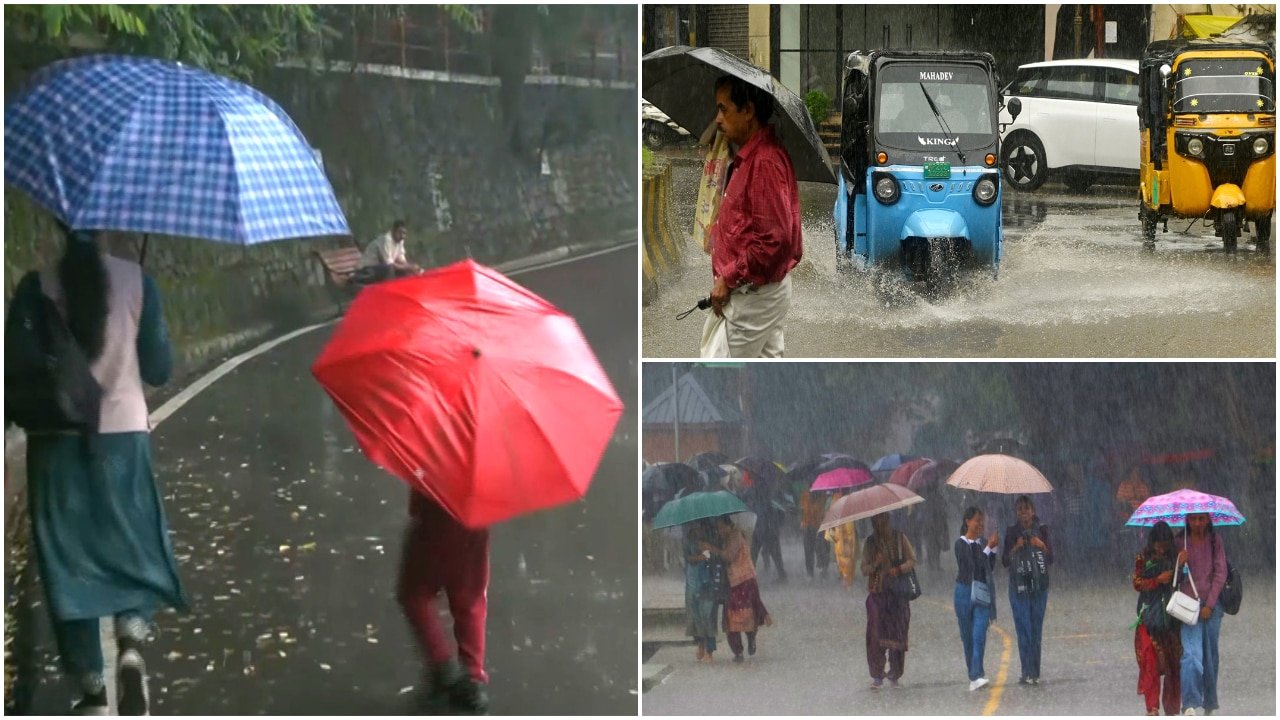
Monsoon Surge Triggers Nationwide Alert as Heavy Rainfall Intensifies
The Indian monsoon has entered a high-intensity phase, with the India Meteorological Department (IMD) issuing a series of urgent weather warnings across the country. A significant surge in moisture-laden winds from both the Arabian Sea and the Bay of Bengal has converged over the northern and central plains, resulting in widespread precipitation. As the monsoon trough shifts, the meteorological agency has placed Rajasthan and Himachal Pradesh under a high-priority 'Orange Alert,' signaling the potential for severe weather disruptions, including flash floods and structural damage.
Beyond these high-risk zones, a 'Yellow Alert' has been extended to over 15 states, covering a vast geographical expanse that includes parts of the northwestern, central, and eastern regions. This broad alert system is designed to caution residents and agricultural stakeholders about the increased probability of localized flooding, infrastructure strain, and the systemic risks posed by frequent lightning strikes and high-velocity winds accompanying the convective storms.
Geographical Impact and Regional Vulnerabilities
The situation in Himachal Pradesh is particularly concerning due to the region's fragile topography. Prolonged rainfall in hilly terrains significantly elevates the risk of landslides, rockfalls, and the sudden swelling of mountain streams. Local authorities have been urged to maintain high levels of preparedness as the saturated soil becomes increasingly unstable, threatening to disrupt arterial road networks and isolate remote communities.
Simultaneously, Rajasthan—a state typically associated with arid climates—is experiencing an uncharacteristic intensity of rainfall. The transition from dry spells to heavy downpours poses unique challenges for water management in the region. While the influx of water is a critical resource for reservoir recharge, the sheer volume within a compressed timeframe increases the risk of urban waterlogging and damage to low-lying agricultural infrastructure. Across the other 15 states under yellow alerts, the primary concerns remain the impact of sustained rainfall on standing crops and the potential for disruption to rural logistics, including the movement of perishable goods to regional markets.
Meteorological Drivers and Safety Protocols
The intensification of the monsoon is being driven by a combination of atmospheric pressure differentials and the active nature of the monsoon trough. Meteorologists note that these conditions are conducive to the development of deep convective clouds, which are frequently associated with intense lightning activity. The IMD has issued repeated advisories urging the public to avoid open areas, remain indoors during peak storm activity, and steer clear of trees or metallic structures that could act as lightning conductors.
For municipal and state disaster response teams, the current weather pattern necessitates a shift toward proactive monitoring. Real-time data tracking of river gauges and soil moisture levels is critical in preventing loss of life and property. As the monsoon remains active, the IMD continues to update its forecasts, advising citizens to rely on official channels for information rather than speculative reports, ensuring that emergency responses are both timely and accurate.
What This Means for Farmers
The current weather volatility presents a complex scenario for the agricultural sector, requiring immediate adjustments in farm management strategies:
- Crop Protection and Drainage: Farmers in low-lying areas must prioritize the clearance of drainage channels to prevent waterlogging. Standing water for extended periods can lead to root rot and nutrient leaching, particularly in vulnerable vegetable crops and early-stage cereals.
- Post-Harvest Logistics: For farmers in regions where harvesting has recently concluded, the primary focus must be the secure storage of produce. Moisture exposure at this stage can lead to rapid fungal growth and significant quality degradation, impacting market value.
- Lightning Precautions: Agricultural workers are at heightened risk during field operations. It is imperative to suspend outdoor labor immediately upon the sighting of dark, towering clouds or the sound of thunder. Avoid seeking shelter under isolated trees, as these are primary targets for lightning strikes.
- Livestock Management: Ensure that livestock are moved to elevated, dry, and well-ventilated shelters. Excess moisture in animal housing can lead to hoof infections and respiratory issues, which can be costly to treat if left unmanaged.
- Strategic Planning: Utilize the current rainfall to replenish farm ponds and water harvesting structures, but monitor soil moisture levels closely before applying any fertilizers or pesticides. Heavy rain can wash away inputs, rendering them ineffective and increasing the financial burden on the farm.
By staying vigilant and adhering to the guidelines provided by local agricultural extension offices, farmers can mitigate the most severe impacts of this monsoon surge and protect their livelihoods against the risks of extreme weather.