Monsoon Intensification Triggers Nationwide Marine Safety Alerts
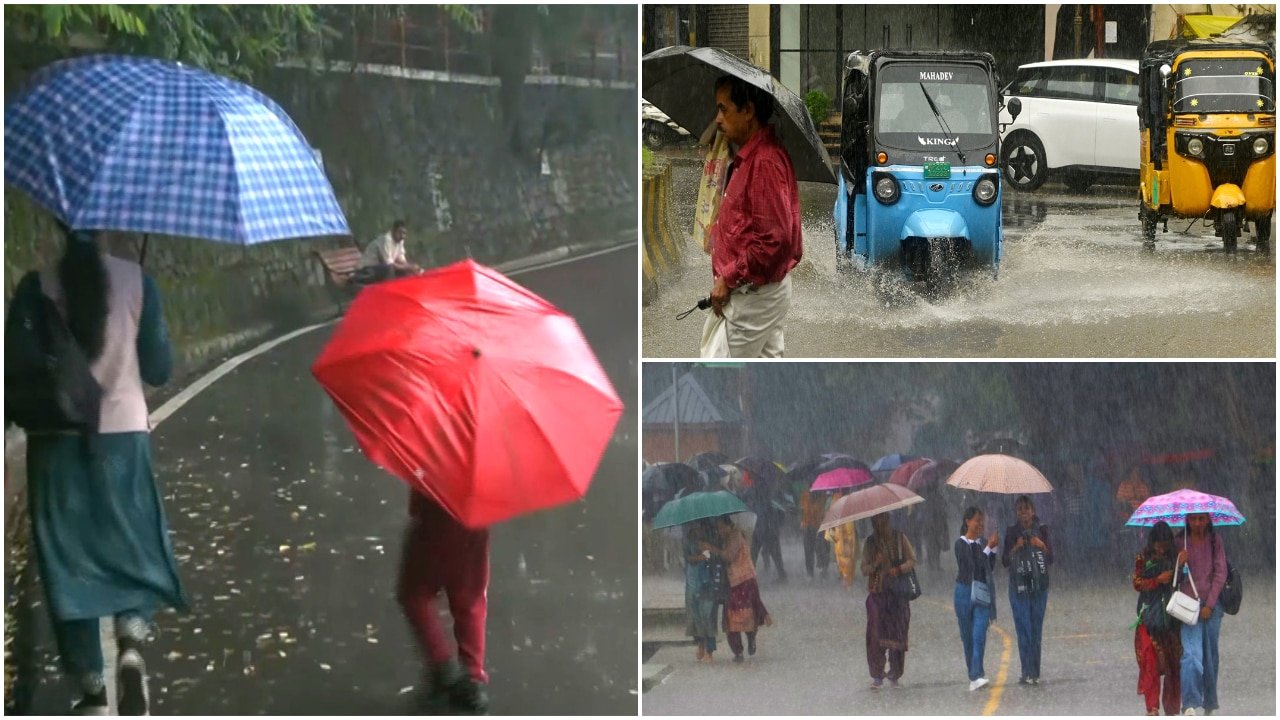
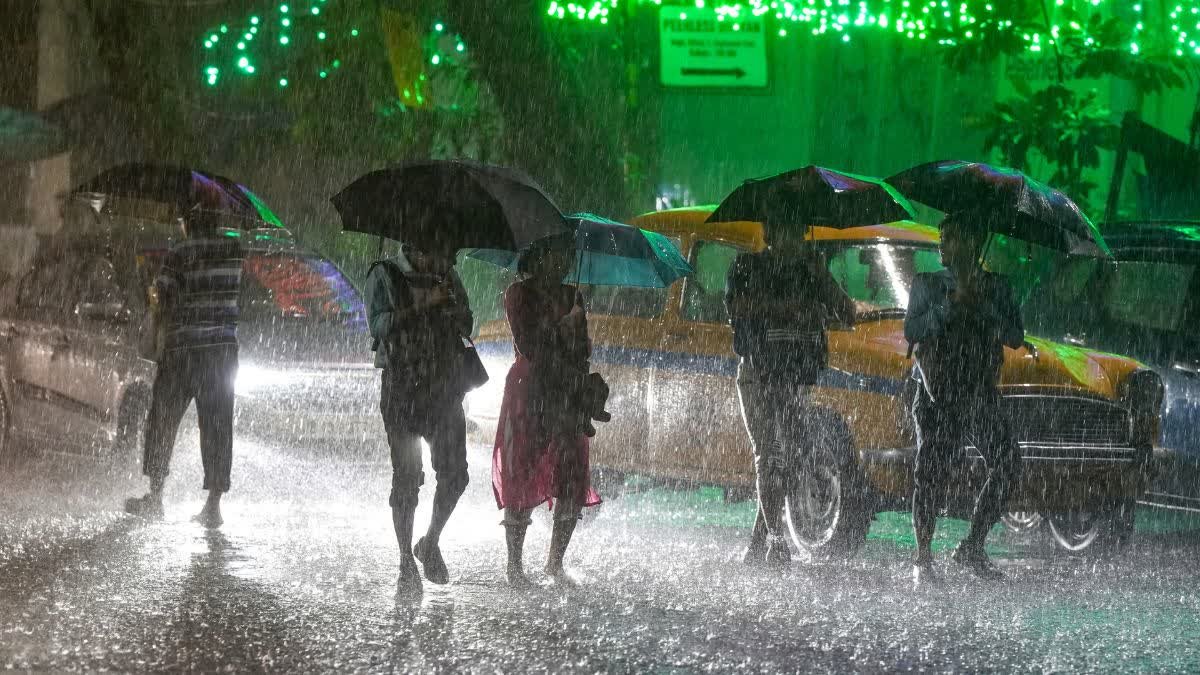
The Indian monsoon season has reached a peak intensity, bringing widespread rainfall across the subcontinent and triggering significant disruptions to daily life, from urban transit in major metropolitan areas like Kolkata to critical safety operations along the nation’s vast coastline. As persistent heavy rains saturate the landscape, meteorological departments have issued urgent warnings for the maritime sector, specifically prohibiting fishing activities in the Arabian Sea and the Bay of Bengal.
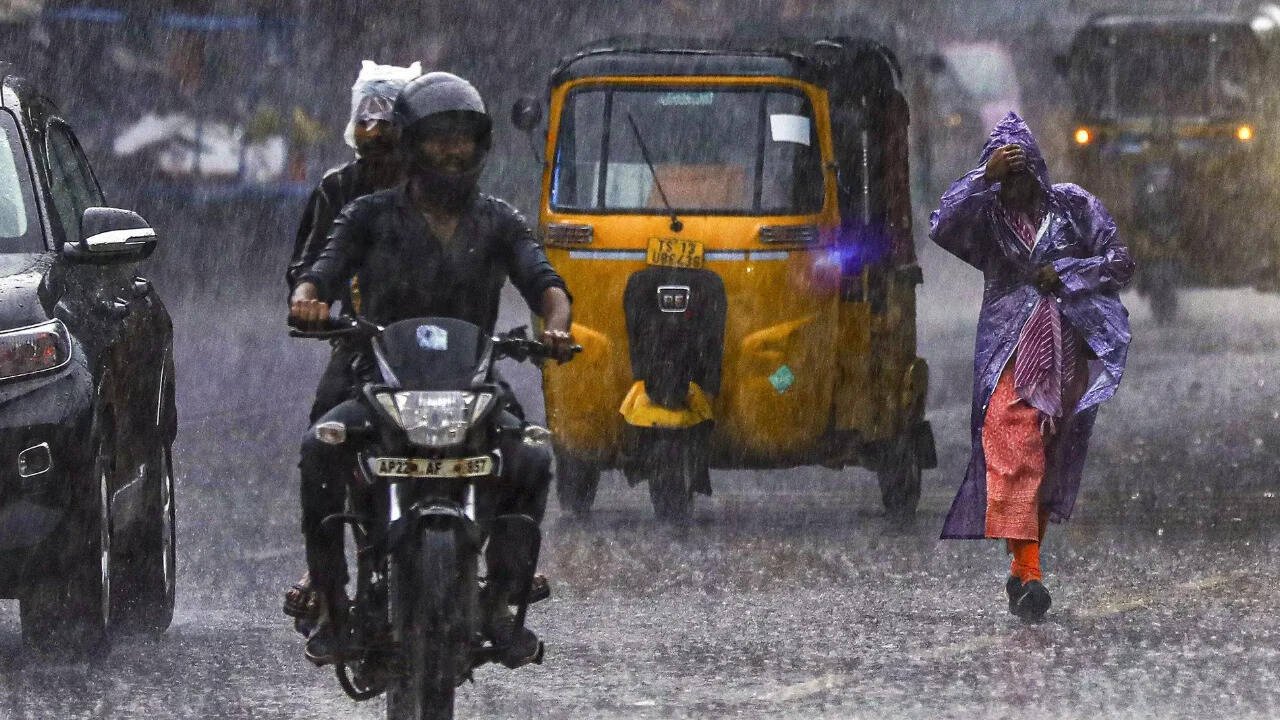
The current weather pattern, characterized by strong pressure gradients and cyclonic circulations, has created hazardous conditions for small-scale and commercial fishing vessels alike. In Kolkata and other coastal hubs, the visual reality of the monsoon—marked by waterlogged streets and overwhelmed drainage systems—is mirrored by the volatile sea states currently observed by maritime authorities. These conditions serve as a stark reminder of the seasonal risks that define the agricultural and maritime economy during the summer monsoon months.
Maritime Safety and the Impact of Rough Seas
For the fishing communities operating along India’s extensive eastern and western coastlines, the arrival of the monsoon represents a period of enforced dormancy. The meteorological conditions currently prevailing over the Arabian Sea and the Bay of Bengal are marked by high-velocity winds and significant wave heights, which pose an immediate threat to the structural integrity of traditional fishing boats and the safety of crews.
Marine experts emphasize that these advisories are not merely precautionary but are essential for preventing maritime disasters. During active monsoon phases, the combination of low visibility, surging tides, and unpredictable gale-force winds can rapidly turn routine fishing expeditions into life-threatening emergencies. Port authorities and local maritime agencies have been instructed to monitor vessel movements strictly, ensuring that no unauthorized craft venture beyond the safety of the harbors. This suspension of activity is a standard, albeit economically challenging, protocol designed to mitigate the risks associated with the atmospheric instability inherent in the Indian monsoon.
Infrastructure and Economic Cascades
The impact of this severe weather extends far beyond the open water. As urban centers grapple with the logistical challenges of monsoon rain—evidenced by commuters navigating flooded transit routes—the supply chain for perishable goods faces significant pressure. When the fishing fleet is grounded, the immediate effect is a sharp contraction in the supply of marine protein to local markets. This scarcity often leads to price volatility, affecting both the consumers in urban centers and the revenue streams of the fishing cooperatives.
Furthermore, the heavy rainfall currently affecting inland areas poses challenges to aquaculture and coastal infrastructure. Persistent precipitation can alter the salinity levels of estuarine environments and coastal lagoons, which are critical for juvenile fish stocks and local breeding grounds. Farmers and aquaculture operators are currently tasked with managing water levels to prevent overflow and the potential loss of stock. The synergy between maritime safety warnings and inland water management underscores the comprehensive, nationwide struggle to maintain stability during the peak of the monsoon season.
What This Means for Farmers
For those involved in the broader agricultural and aquaculture sectors, the current monsoon intensity necessitates a shift toward risk management and strategic patience. The key impacts and actionable takeaways include:
- Prioritize Safety Over Seasonal Revenue: The advisory against venturing into the sea is non-negotiable. Farmers and fishermen must heed these warnings to avoid the catastrophic loss of equipment and, more importantly, human life. Insurance providers often include clauses regarding adherence to government weather advisories; ignoring these can jeopardize future claims.
- Supply Chain Contingency Planning: For distributors and those involved in the cold-chain logistics of marine products, the grounding of the fishing fleet implies a period of reduced inventory. It is advisable to secure alternative sources or adjust procurement schedules to account for the predictable lull in fresh catch availability.
- Monitor Inland Aquaculture Risks: While marine fishing is halted, inland pond farmers should focus on biosecurity and water quality management. Heavy rains can introduce pollutants and cause rapid drops in salinity or pH levels. Ensure that drainage channels are cleared to prevent flooding of aquaculture ponds and utilize water quality testing kits to monitor for stress-related pathogens in fish stocks.
- Long-term Economic Resilience: Use the downtime caused by the monsoon to conduct essential maintenance on boats, nets, and processing machinery. Preparing equipment during the off-season ensures that operations can resume at full capacity the moment the meteorological outlook improves, minimizing the window of lost productivity.