Chandipura Virus Surge in Gujarat: Urgent Public Health Response Amid Rising Child Mortality
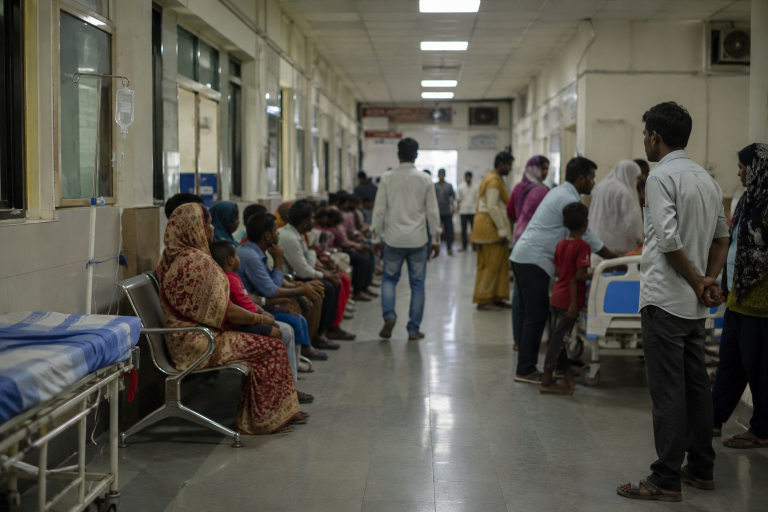
The state of Gujarat is currently grappling with a concerning spike in Chandipura virus (CHPV) infections as the monsoon season reaches its peak. Public health authorities have confirmed a rapid escalation in cases, with the virus disproportionately affecting the pediatric population. As of the latest reporting, 35 children have tested positive for the virus, and officials are investigating 22 suspected deaths linked to the infection. With 184 suspected cases currently under clinical review and additional laboratory results pending, the state health department has mobilized emergency response protocols to contain the spread of this neurotropic pathogen.
Understanding the Vector and Transmission Dynamics
The Chandipura virus is a member of the Rhabdoviridae family, the same family that includes the rabies virus. It is primarily transmitted through the bites of vectors, specifically sandflies (Phlebotomus papatasi), though mosquitoes and ticks have also been implicated as potential carriers in various ecological studies. The virus is known for its rapid progression, often causing acute encephalitis—an inflammation of the brain—which can lead to rapid neurological decline, high fever, and, in severe instances, coma or death.
The timing of this outbreak is closely tied to the monsoon season. Increased humidity, stagnant water, and the accumulation of organic waste create ideal breeding grounds for sandflies. These vectors typically thrive in rural and semi-urban environments where housing structures—often featuring mud walls and thatched roofs—provide the dark, humid crevices necessary for their life cycle. The current spike highlights the critical link between environmental hygiene and public health outcomes in agricultural districts, where human-vector contact is most frequent.
Clinical Challenges and Diagnostic Hurdles
Managing a Chandipura virus outbreak presents unique challenges for the healthcare system. Because the symptoms of the virus—such as high fever, convulsions, and altered sensorium—often mirror other endemic conditions like Japanese encephalitis, malaria, or typhoid, early and accurate diagnosis is essential. However, the virus progresses with alarming speed, often giving clinicians a very narrow window for intervention.
State health officials are currently working to streamline testing procedures, ensuring that samples are rapidly transported to designated laboratories. The focus remains on supportive care, as there is currently no specific antiviral treatment or widely available vaccine for CHPV. Intensive care management, including the control of intracranial pressure and fever management, remains the standard of care. The government has directed local health facilities to maintain high alertness, particularly in districts where cases have shown a cluster pattern, urging medical staff to prioritize early recognition of symptoms in children.
What This Means for Farmers
For the farming community, the Chandipura virus outbreak serves as a stark reminder of the intersection between agricultural practices and public health. Because the virus is vector-borne, the mitigation strategy relies heavily on environmental management around homes and livestock sheds.
Practical Steps for Risk Mitigation:
- Sanitation and Hygiene: Ensure that areas surrounding cattle sheds and residential units are kept clean. Sandflies thrive in organic waste, manure, and damp soil. Regular cleaning and proper disposal of animal waste can significantly reduce the breeding population of these vectors.
- Housing Maintenance: If living in structures with mud walls or thatched roofs, consider plastering cracks and crevices where sandflies hide. Limewashing walls has historically been an effective deterrent for various household pests and vectors.
- Personal Protection: Encourage the use of bed nets, particularly for children, during the peak transmission hours of dusk and dawn when sandflies are most active. Long-sleeved clothing can also provide a physical barrier against bites.
- Early Symptom Recognition: Farmers and parents should be hyper-vigilant regarding children presenting with sudden high fever, vomiting, or neurological signs such as seizures or unusual lethargy. Immediate medical attention is vital; delaying care to treat symptoms with home remedies or non-specific medication can be fatal.
- Livestock Management: While the virus primarily affects humans, maintaining the health and hygiene of livestock is crucial. Keeping animal shelters at a distance from residential areas and ensuring they are well-ventilated can reduce the proximity of vectors to the family home.
While the state government continues to monitor the situation, the most effective defense remains community-led sanitation and the swift reporting of any febrile illness in children to the nearest primary health center. Vigilance during the remainder of the monsoon season is essential to curbing the impact of this outbreak.