Centre to Pioneer CBDC-Based Food Subsidy Transfers in Chandigarh and Dadra & Nagar Haveli
The Government of India is set to mark a significant milestone in the digitalization of social welfare delivery with the upcoming launch of Central Bank Digital Currency (CBDC) transfers under the Pradhan Mantri Garib Kalyan Anna Yojana (PMGKAY). Scheduled for August 14, this pilot initiative will be rolled out across the Union Territories of Chandigarh and Dadra & Nagar Haveli, signaling a shift toward programmable, tokenized financial support for food security.
Under this new framework, eligible beneficiaries will receive their food subsidies not as traditional cash transfers to bank accounts, but as Digital Rupee tokens stored directly in secure CBDC wallets. This transition represents a sophisticated integration of blockchain-based financial technology into the backbone of India’s public distribution system, aiming to modernize how subsidies are disbursed, tracked, and utilized at the retail level.
Programmable Currency: Enhancing Transparency and Efficiency
The core innovation of this rollout lies in the "programmable" nature of the Digital Rupee. Unlike standard digital currency or cash, these tokens can be configured to ensure that the funds are utilized exclusively for intended purposes—in this case, the acquisition of essential food items through empanelled merchants. This technological layer provides the government with granular visibility into the subsidy lifecycle, effectively mitigating the risk of diversion or leakage that has historically plagued large-scale welfare programs.
By bypassing the traditional multi-tiered banking infrastructure, the CBDC model enables near-instantaneous settlement between the government and the end-user. This reduces the administrative latency associated with Direct Benefit Transfers (DBT) and provides a more robust audit trail. For the state, the primary objective is to create a scalable, tamper-proof system that ensures every rupee allocated for food security reaches the intended recipient without intermediary friction.
Building a Scalable Model for Welfare Delivery
The selection of Chandigarh and Dadra & Nagar Haveli as pilot sites serves as a strategic testing ground. These regions offer a unique mix of urban and semi-urban demographics, providing the government with essential data on user adoption, digital literacy requirements, and infrastructure stability. The success of this pilot will likely determine the roadmap for a broader national rollout of CBDC-based welfare distributions.
The project also emphasizes the importance of the merchant ecosystem. By empanelling specific retail outlets to accept Digital Rupee tokens, the government is fostering a closed-loop economy that supports local food supply chains. This approach not only secures the subsidy but also encourages the adoption of digital payment habits among populations that have traditionally relied on cash, bridging the gap between rural and urban financial inclusion.
What This Means for Farmers
While the immediate impact of this initiative is focused on the distribution of food subsidies to consumers, the long-term implications for the agricultural sector are profound. Here is how this shift affects the broader farming community and the rural economy:
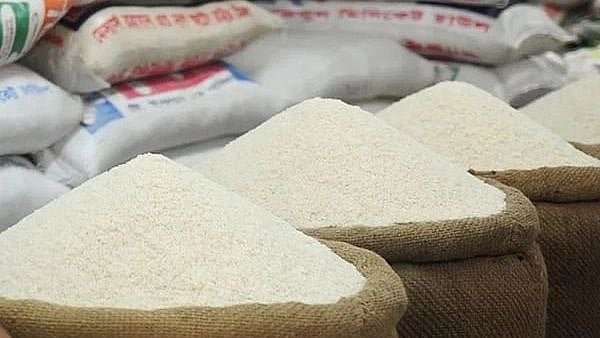
- Stabilized Demand: By ensuring that food subsidies are utilized exclusively for food purchases, the government is essentially creating a guaranteed, predictable demand for commodities. This stability can help prevent market volatility and ensure that produce sold through these channels moves consistently.
- Reduced Intermediary Costs: A more efficient subsidy system reduces the burden on the state’s fiscal resources. Over time, a transparent digital ecosystem allows for more precise market interventions, potentially reducing the wastage and logistical inefficiencies that often suppress farm-gate prices.
- Modernizing Rural Infrastructure: The push for CBDC adoption requires investments in digital infrastructure, including high-speed internet connectivity and digital payment terminals in smaller towns and villages. Farmers stand to benefit from this improved infrastructure, which can eventually facilitate direct-to-consumer sales and better access to digital banking services.
- Data-Driven Policy: With a clearer view of consumption patterns through the CBDC framework, the government may be better positioned to forecast demand for specific food staples. This data can inform agricultural policies, helping farmers align their production cycles with actual market needs, thereby improving profitability and reducing the risk of overproduction.
As the government moves toward August 14, stakeholders across the agricultural value chain will be watching closely. If successful, the integration of CBDCs into the PMGKAY framework could set a global precedent for how nations manage food security, turning the digital rupee into a vital tool for both social welfare and economic stability.