MHA Intensifies Monsoon Response as Heavy Rains Impact Multiple Regions
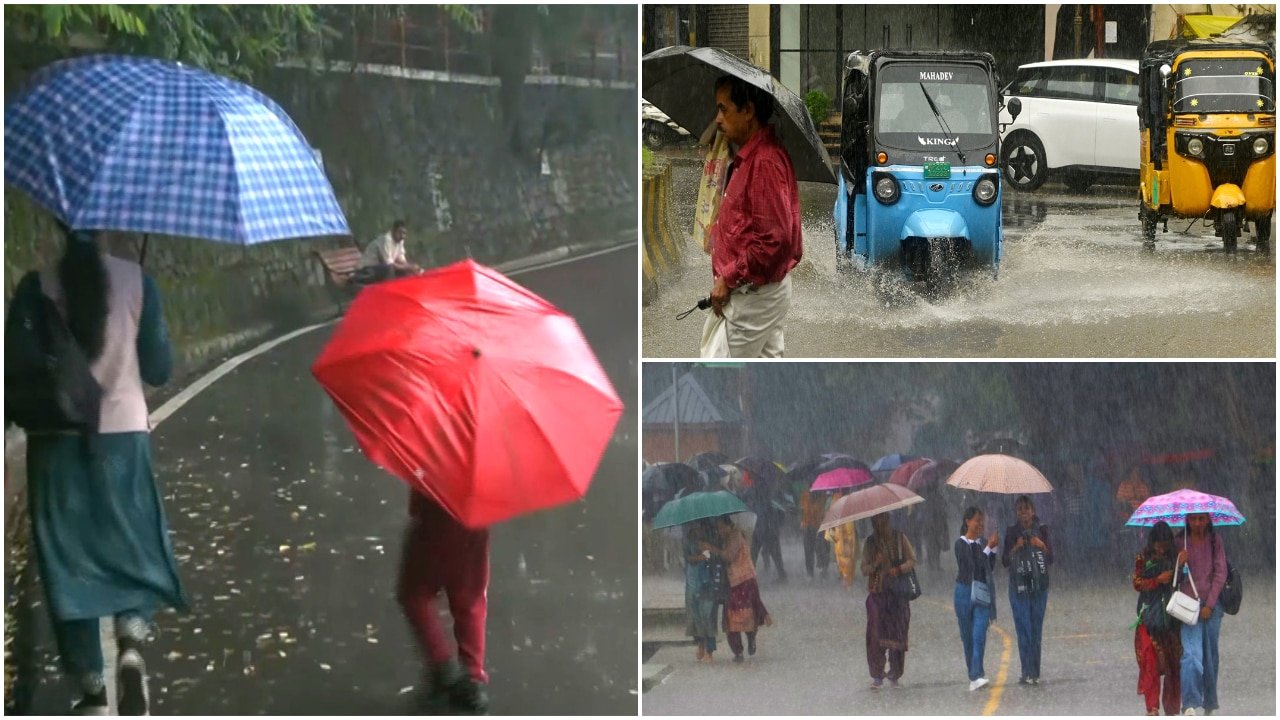
The Ministry of Home Affairs (MHA) has confirmed that it is maintaining a proactive, round-the-clock monitoring stance as monsoon-related challenges intensify across several states and Union Territories. Under the strategic guidance of Prime Minister Narendra Modi and Union Home Minister Amit Shah, the central government has mobilized a multi-agency response framework to mitigate the impact of heavy rainfall, landslides, and flooding that have disrupted normal life throughout July 2026.
The current meteorological situation has impacted a diverse geographic cross-section of the country, with notable incidents reported in Jammu and Kashmir, Nagaland, Arunachal Pradesh, West Bengal, Assam, Gujarat, Maharashtra, and the Union Territory of Dadra and Nagar Haveli and Daman. According to government data, while these extreme weather events have posed significant logistical and humanitarian challenges, the widespread rainfall has served to significantly improve the national hydrological profile, narrowing the previously recorded 30 percent rain deficit to approximately 15 percent.
Coordinated Multi-Agency Response and Disaster Mitigation
At the heart of the government’s mitigation strategy is the Integrated Control Room (ICR-ER), which serves as the nerve center for real-time data synthesis. By maintaining a continuous loop of communication with the India Meteorological Department (IMD), the Central Water Commission (CWC), and the Indian National Centre for Ocean Information Services (INCOIS), the MHA ensures that early warnings are disseminated with precision to State and District Emergency Operation Centres. This rapid flow of information is critical for pre-empting disaster scenarios and minimizing the time between a weather alert and a local response.
The National Disaster Response Force (NDRF) has been instrumental in executing these mandates. By adopting a "pre-positioning" strategy—deploying teams to high-risk areas before disaster strikes—the NDRF has drastically reduced response times. Over the past week alone, these teams have successfully rescued 52 individuals and facilitated the safe evacuation of over 2,200 civilians. These ground operations are bolstered by the Ministry of Defence, which has mobilized specialized resources to assist in the transport of relief materials and the extraction of stranded populations in inaccessible terrain.
The MHA’s operational readiness is the result of months of rigorous planning. Beginning with a national-level review meeting chaired by Union Home Minister Amit Shah on May 10, the government mapped out comprehensive strategies for both heatwave management and monsoon preparedness. Follow-up sessions focused on region-specific vulnerabilities, such as the Char Dham Yatra route and the flood-prone landscapes of Jammu and Kashmir, ensuring that state-level authorities were fully equipped with the necessary financial and technical resources to handle the monsoon cycle.
Assessment of Agricultural and Infrastructure Damage
Beyond immediate rescue operations, the central government is prioritizing the assessment of long-term damage. Inter-Ministerial Central Teams (IMCTs) have already completed field evaluations in Arunachal Pradesh and Assam, specifically tasked with quantifying the extent of infrastructure and agricultural loss. These assessments are vital for unlocking financial assistance from the National Disaster Response Fund (NDRF), ensuring that affected regions can begin the process of reconstruction and economic recovery.
A secondary assessment mission is slated to arrive in Assam on July 25, 2026, to conduct a deeper analysis of the impact of recent incessant rains. This systematic approach ensures that fiscal aid is distributed based on ground-level empirical data, allowing state governments to repair damaged rural infrastructure, restore irrigation channels, and stabilize land affected by recurrent landslides.
What This Means for Farmers
For the agricultural community, the current weather trajectory presents a complex reality. While the arrival of monsoon rains has been a welcome relief for regions struggling with a significant rain deficit, the intensity of the precipitation has brought localized challenges that require careful management:
- Water Management: The sharp reduction in the national rain deficit is generally positive for kharif crop sowing. However, farmers in flood-prone areas must remain alert to CWC updates. Ensure that drainage channels are cleared to prevent waterlogging, which can lead to root rot and nutrient leaching in standing crops.
- Soil Health and Erosion: In hilly states like Arunachal Pradesh and Jammu and Kashmir, heavy rainfall increases the risk of soil erosion. Farmers are advised to maintain vegetative cover on slopes and, where possible, practice contour farming to prevent the loss of fertile topsoil.
- Infrastructure Vigilance: Following the MHA’s emphasis on early warnings, farmers should stay connected to local District Emergency Operation Centres. If localized flooding is predicted, prioritize moving livestock and stored grain to higher, secure locations well in advance.
- Insurance and Documentation: With Inter-Ministerial teams assessing damage, farmers should maintain meticulous records of crop loss, including photographic evidence and details of input costs. This documentation is essential for potential claims under state disaster relief programs and crop insurance schemes.
- Market Outlook: The recovery from the 30 percent rain deficit suggests a more stable outlook for overall national production. Farmers should monitor local market trends, as regional supply chain disruptions caused by landslides may temporarily impact the local availability of inputs and the transport of harvested produce.