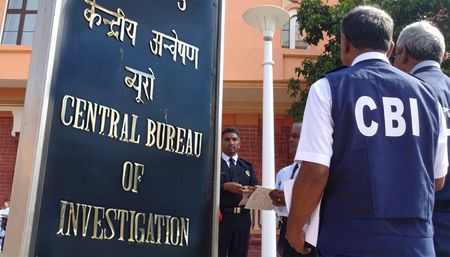
CBI Court Delivers Verdict in Ahmedabad Loan Fraud Case
A special Central Bureau of Investigation (CBI) court in Ahmedabad has handed down a three-year rigorous imprisonment sentence to a former branch manager of the Indian Overseas Bank (IOB) and a private individual involved in a complex loan fraud scheme. The verdict marks the conclusion of a protracted legal battle centered on the misuse of banking credit facilities, which are intended to bolster agricultural and commercial productivity but were instead diverted through illicit channels.
The judicial proceedings highlighted a systemic failure in internal oversight, where the accused leveraged their positions and professional associations to bypass standard lending protocols. According to the court’s findings, the fraudulent activities involved the deliberate misrepresentation of documentation to secure credit lines that were not backed by legitimate economic activity or collateral. This sentencing serves as a stern reminder of the legal consequences surrounding financial malfeasance in the banking sector, particularly in regions where credit access is vital for the development of rural and agricultural enterprises.
The Mechanics of the Fraud and Legal Repercussions
The investigation, spearheaded by the CBI’s anti-corruption unit, uncovered a pattern of collusion that compromised the integrity of the branch’s lending portfolio. The former bank manager was found to have bypassed mandatory due diligence processes, allowing the private individual to obtain funds under false pretenses. The prosecution successfully argued that these actions did not merely constitute a procedural error but represented a calculated effort to defraud the institution.
During the trial, the court examined extensive financial records and witness testimonies that detailed how the funds were siphoned away from their intended economic purpose. The rigor of the three-year sentencing reflects the court’s commitment to maintaining financial discipline within public sector banks. Beyond the prison term, the court has emphasized the importance of accountability for individuals in positions of trust. This case underscores the broader challenge of safeguarding financial institutions from internal threats that can destabilize local economies and restrict the availability of capital for legitimate borrowers.
Ensuring Integrity in Agricultural and Commercial Lending
The fallout from this case extends beyond the courtroom, raising critical questions about the robustness of credit appraisal mechanisms. When fraudulent loans are sanctioned, the immediate impact is often felt by the banking institution, which must contend with non-performing assets (NPAs). However, the long-term repercussions are arguably more damaging to the agricultural community. When banks tighten lending criteria in response to fraud, it is often the honest, small-scale farmers and entrepreneurs who face the most significant barriers to securing the credit necessary for seasonal inputs, equipment upgrades, and infrastructure development.
What This Means for Farmers
For those operating in the agricultural sector, this verdict carries several practical implications regarding financial management and institutional engagement:
- Increased Vigilance in Documentation: Farmers and agribusiness owners should ensure that all loan documentation is meticulously maintained and transparent. While the burden of fraud in this case lay with the bank official, maintaining clear records protects the borrower from being inadvertently caught in investigations regarding systemic irregularities.
- Understanding Credit Protocols: Familiarity with the standard operating procedures of financial institutions is essential. If a loan process seems unusually expedited or bypasses standard verification steps—such as site visits or collateral appraisal—it should be viewed as a potential red flag rather than an opportunity.
- The Impact on Credit Availability: High-profile fraud cases often lead to a "credit crunch" in affected regions. As banks tighten their internal controls to prevent future losses, borrowers may experience longer processing times for agricultural loans. It is advisable to initiate loan applications well in advance of the planting or harvesting season to account for these heightened scrutiny measures.
- Economic Stability: The integrity of the banking system is the backbone of the rural economy. Ensuring that credit flows to genuine agricultural producers is vital for regional growth. Farmers are encouraged to utilize government-backed portals and transparent banking channels to ensure their financial history remains clean and their credit rating stays robust, which will facilitate easier access to capital in the long run.