Monsoon Pause Triggers Temperature Spike Across Western India
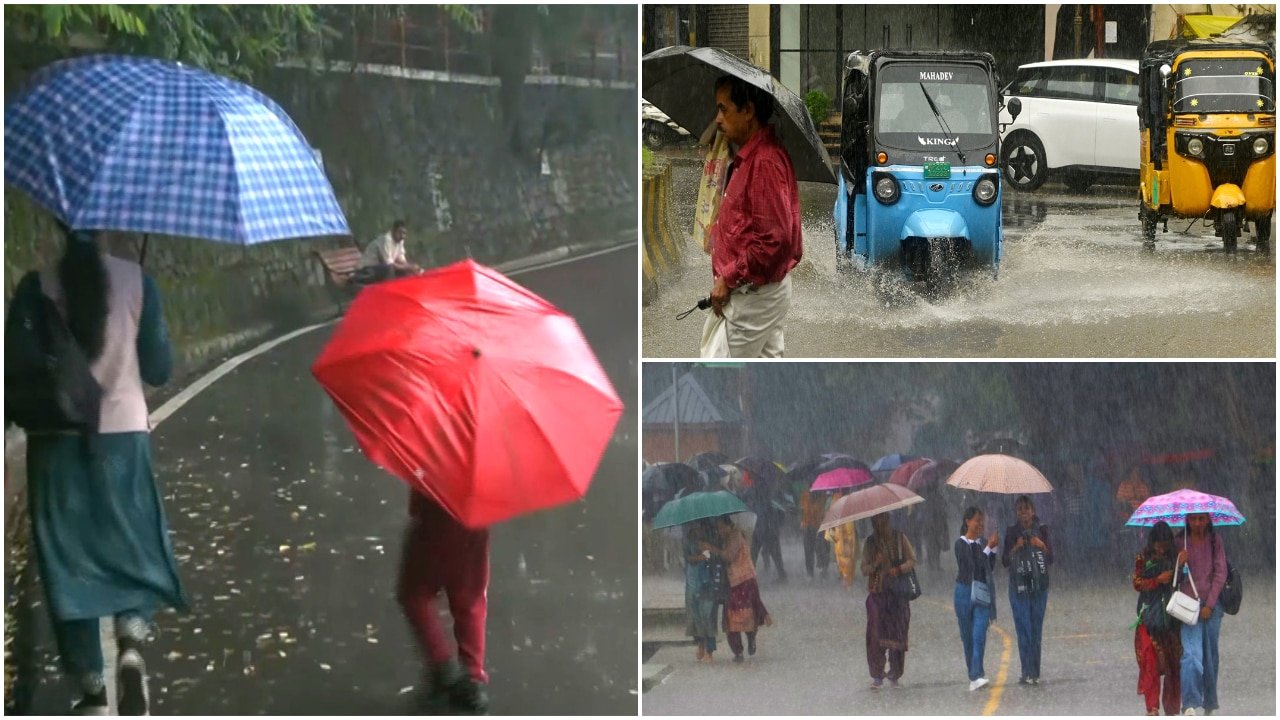
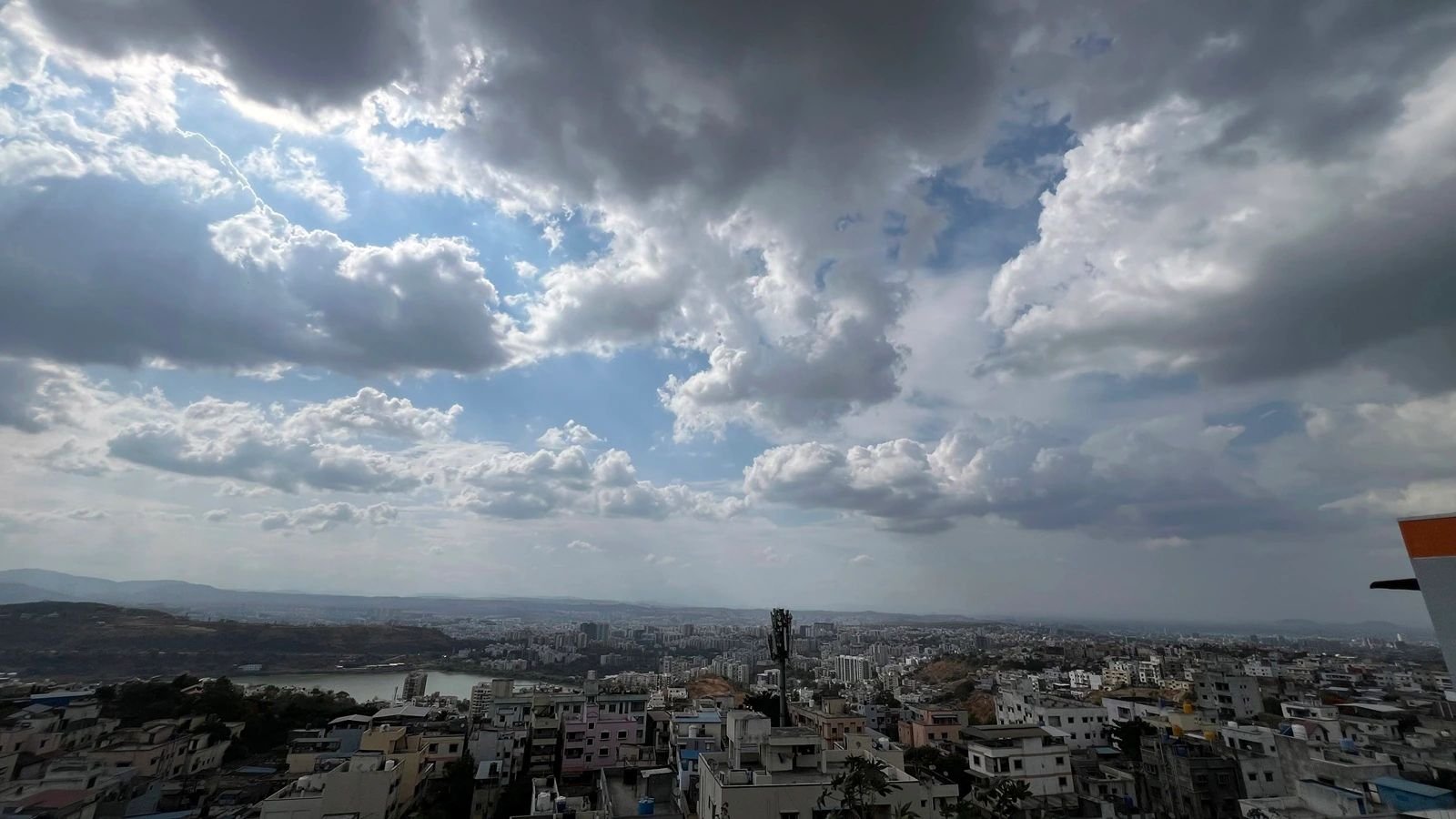
After a period of record-breaking rainfall that brought widespread relief to drought-prone regions and replenished vital reservoir stocks, the Indian monsoon has entered a temporary phase of inactivity. This meteorological phenomenon, commonly referred to as a "break in monsoon," has resulted in a sudden shift in weather patterns across Western India, most notably in Pune, where temperatures have surged past 31°C. While the initial deluge provided a necessary boost to the agricultural sector, the current dry spell has raised questions regarding moisture stress and the timing of subsequent sowing operations.
Meteorological experts suggest that the current hiatus is a result of the monsoon trough shifting northwards toward the foothills of the Himalayas. When the trough—a low-pressure belt that acts as the primary engine for moisture-laden winds—moves away from its normal position, the flow of moisture from the Arabian Sea and the Bay of Bengal is significantly disrupted. In urban centers and rural corridors alike, this shift has led to clear skies, increased solar radiation, and a noticeable rise in daytime humidity, creating an uncomfortable and unexpectedly warm interlude in what is typically a cool, rainy season.
Understanding the Mechanics of the Monsoon Break
A "break in monsoon" is a recognized climatic event where the monsoon trough moves away from its central position, leading to a cessation of rainfall over the core monsoon zone. For farmers and agricultural planners, this period is often a double-edged sword. While the preceding record rains have ensured that soil moisture levels are currently adequate, the sudden uptick in temperature can accelerate evapotranspiration rates, potentially drying out the topsoil faster than anticipated.
Current satellite data and atmospheric models indicate that this dry spell is transitory. Meteorological agencies are projecting a revival of the monsoon currents around July 20. This anticipated shift is expected to draw the monsoon trough back to its southerly position, facilitating the return of widespread precipitation. For regions that have already completed their primary sowing, this break offers a window for essential field maintenance, such as weeding and the application of fertilizers, provided the soil is not overly compacted or waterlogged from the previous weeks of heavy rain.
Strategic Outlook: Preparing for the Return of Rainfall
The transition from heavy downpours to a dry, warm spell requires a shift in farm management strategies. In areas where crops are in the early vegetative stage, the rise in temperature can lead to increased pest pressure. Insects such as aphids and whiteflies often thrive in warm, humid conditions that follow periods of heavy rain. Farmers are advised to closely monitor their fields for early signs of infestation and to ensure that drainage channels remain clear, as the upcoming rains around July 20 may bring further high-intensity precipitation.
Furthermore, the current break provides a critical opportunity to assess crop health. The initial heavy rains may have caused localized nutrient leaching, particularly in sandy or well-draining soils. As the monsoon activity resumes, the availability of soil nutrients will be paramount for robust plant development. Agricultural extension services suggest that farmers utilize this period of fair weather to evaluate the uniformity of crop stands and plan for necessary nutrient top-dressing once the soil moisture is stabilized by the expected July rainfall.
What This Means for Farmers
The current break in the monsoon serves as a reminder of the volatility inherent in rain-fed agriculture. For the farming community, the following points are critical considerations during this period:
- Moisture Management: While the soil currently holds significant moisture from recent rains, the rise in temperatures will increase water loss. Focus on soil moisture conservation practices, such as mulching, to protect sensitive young crops from heat stress.
- Pest and Disease Vigilance: The combination of high heat and residual humidity creates an ideal environment for fungal diseases and pest outbreaks. Conduct regular field scouting and be prepared to implement integrated pest management (IPM) protocols immediately upon noticing symptoms.
- Field Maintenance: Utilize the dry weather to clear drainage paths. If the upcoming rainfall around July 20 matches the intensity of previous weeks, effective water management will be essential to prevent waterlogging and root rot in standing crops.
- Fertilizer Timing: Avoid heavy fertilizer applications during the heat of the day. If the soil is too dry, wait for the anticipated rains to ensure that nutrients are properly dissolved and absorbed by the root systems, thereby minimizing wastage and runoff.
- Long-term Planning: Monitor local weather updates closely as the July 20 window approaches. Ensure that labor and machinery are ready for the resumption of agricultural activities, as the return of rain may necessitate rapid action to complete sowing or protective measures.
By remaining proactive and adaptive to these meteorological fluctuations, farmers can mitigate the risks associated with the monsoon break and position their crops for successful development as the rainy season resumes its momentum.