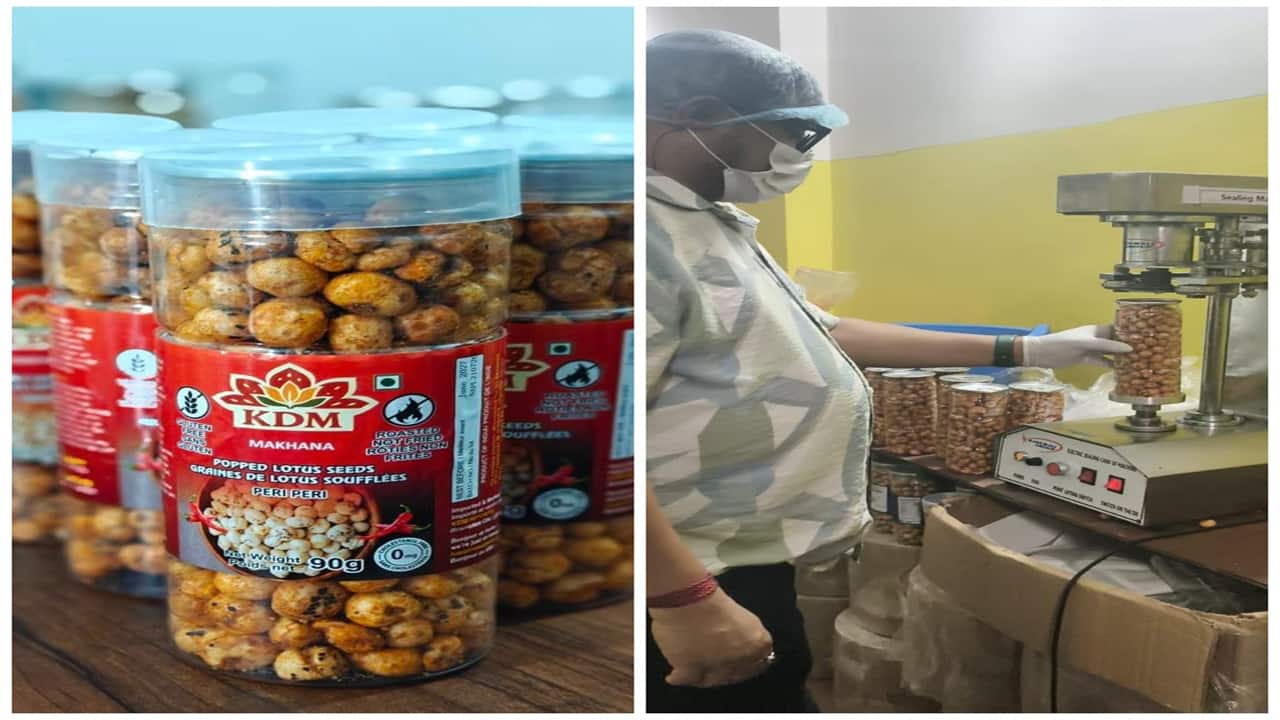
Bihar’s Makhana Industry Reaches Global Milestone with First Major Export to Canada
In a landmark development for India’s specialty crop sector, the Darbhanga region of Bihar has successfully dispatched its inaugural bulk shipment of makhana (foxnuts) to the international market. A total of seven metric tonnes of this nutrient-dense aquatic crop were transported via two specialized shipping containers, marking a significant transition from localized domestic trade to a formalized global supply chain. The consignment was routed through the Mundra port in Gujarat, leveraging the port's robust maritime infrastructure to reach Canadian consumers.
This export initiative represents a pivotal moment for the agricultural economy of the Mithila region, which has long been the world’s primary hub for makhana production. By moving from fragmented, small-scale trade to organized containerized exports, Bihar’s foxnut producers are signaling a new era of professionalization and market expansion. The successful integration of this shipment into the Canadian market underscores the growing international demand for plant-based, gluten-free, and nutrient-rich snack alternatives.
Infrastructure and Logistics: Bridging the Gap to Global Markets
The logistical chain for this seven-tonne shipment highlights the complexities and requirements of modern agricultural exports. Moving perishable or semi-perishable commodities from the landlocked plains of Bihar to the global stage requires seamless coordination between inland transport and maritime logistics. The utilization of the Mundra port—India’s largest commercial port—provided the necessary connectivity to facilitate long-haul international shipping.
For makhana to successfully enter Western markets, exporters must adhere to stringent phytosanitary standards and quality control protocols. The transition to specialized containerized transport is essential for maintaining the integrity of the product, ensuring that the foxnuts remain free from moisture and contamination during the lengthy transit period. This move toward standardized containerization is expected to reduce post-harvest losses and provide a more predictable supply schedule for international buyers. As the supply chain matures, investment in cold-chain logistics and modernized packaging will likely follow, further strengthening the viability of Bihar’s export-oriented agro-industry.
The Economic Transformation of the Mithila Region
Makhana has historically been a vital component of the rural economy in North Bihar, supporting thousands of smallholder farmers and traditional processing units. However, the sector has often struggled with price volatility and a lack of direct access to high-value markets. The establishment of an international export route is projected to create a more stable price floor for producers, as global demand often commands a premium compared to local wholesale markets.
Furthermore, the shift toward exports encourages the formalization of the makhana value chain. As international buyers demand consistent quality, traceability, and adherence to food safety standards, local processors are incentivized to invest in better cleaning, sorting, and packaging technologies. This modernization does not only elevate the product for foreign markets but also improves the overall quality available to domestic consumers. The success of this initial shipment to Canada serves as a proof-of-concept, potentially opening doors for similar trade agreements with other nations that have significant South Asian diasporas and a burgeoning health-conscious consumer base.
What This Means for Farmers
For the individual makhana grower and processor, this development holds several long-term implications:
- Increased Market Leverage: The opening of international export channels reduces dependence on local middlemen, potentially leading to better farm-gate prices and more transparent trade practices.
- Focus on Quality Standards: Farmers and primary processors are encouraged to adopt standardized cleaning and drying practices. Meeting export-grade requirements—such as uniform sizing and moisture control—will become a prerequisite for participating in the global supply chain.
- Investment in Value Addition: As the global market for makhana grows, there is a clear incentive for farmers to move beyond selling raw or semi-processed foxnuts. Investing in small-scale, value-added processing—such as flavored, roasted, or pre-packaged snacks—can significantly increase profit margins.
- Long-term Economic Stability: Diversifying the customer base from local regional markets to international markets creates a buffer against domestic demand fluctuations. Farmers are advised to stay informed about government-led export promotion schemes and quality certification programs to ensure their produce is "export-ready."
- Strategic Planning: Producers should look toward cooperative models to aggregate their produce. By pooling resources, smaller farmers can meet the volume requirements necessary for containerized shipping, effectively competing with larger industrial exporters.