Bihar’s Development Paradox: Navigating Two Decades of Fiscal Dependency
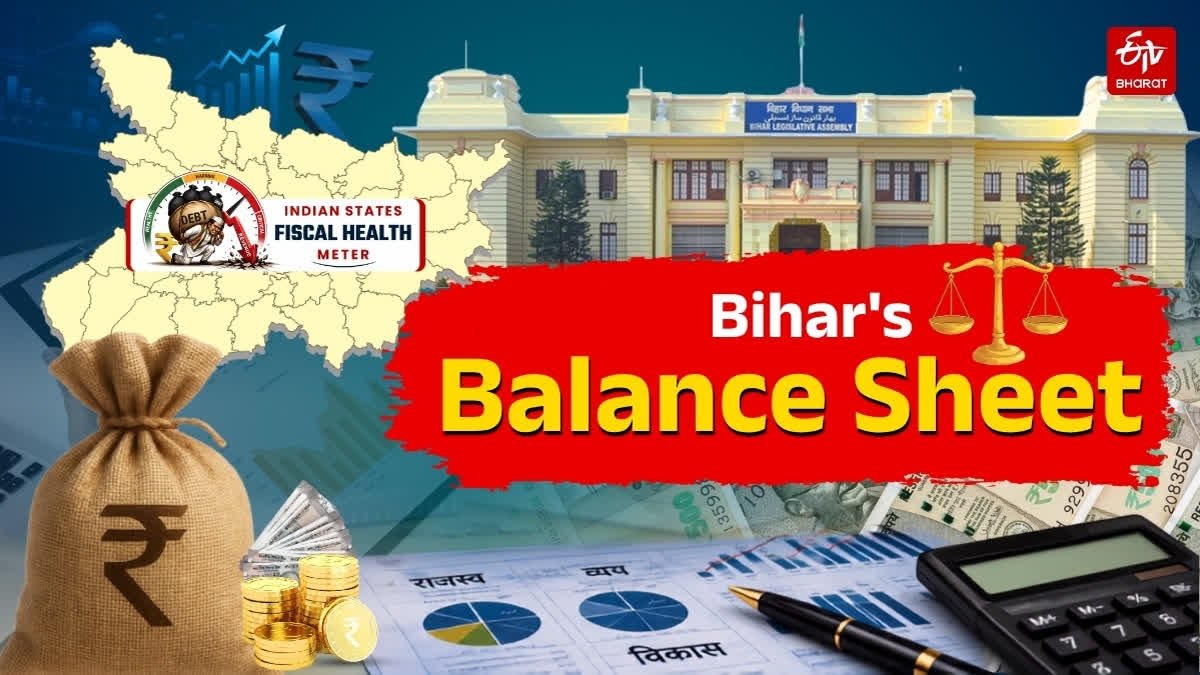
For the past twenty years, the state of Bihar has remained a focal point of intense economic scrutiny within India’s federal structure. Despite ambitious policy rollouts and a persistent push toward modernization, the state continues to grapple with a complex development trajectory. Recent analyses suggest that Bihar’s economic narrative is defined by a paradoxical tension: while the government has aggressively implemented extensive welfare schemes to address systemic social deficits, the state remains tethered to a high degree of financial reliance on the Union government, struggling to foster a self-sustaining industrial or robust agricultural export base.
The state’s reliance on central fiscal support is not merely a budgetary choice but a structural necessity born from decades of limited internal revenue generation. As the state attempts to bridge the gap between its current socioeconomic indicators and national averages, the challenge of balancing immediate humanitarian needs—such as food security, housing, and rural electrification—against long-term infrastructure investment has created a precarious fiscal environment. This ongoing struggle underscores the difficulty of transitioning an agrarian-heavy economy into a diversified regional powerhouse in the face of persistent poverty and limited private investment.
The Structural Challenges of an Agrarian-Dominated Economy
At the heart of Bihar’s economic struggle lies its demographic profile and heavy reliance on the primary sector. A vast majority of the state’s workforce remains tethered to smallholder farming, which is frequently disrupted by the state's characteristic cycle of seasonal flooding and drought. While the land is inherently fertile, the lack of modernized supply chain infrastructure—such as cold storage, efficient processing facilities, and reliable irrigation networks—limits the ability of farmers to move beyond subsistence-level cultivation.
Furthermore, the reliance on centrally sponsored welfare schemes has become a double-edged sword. While these programs provide a crucial safety net for millions of households living at or below the poverty line, they often consume a significant portion of the state’s available capital. This leaves little room for the "big-ticket" infrastructure projects that are typically required to attract large-scale industrial investment. Without a substantial manufacturing base to absorb the surplus labor from rural areas, the state remains trapped in a cycle where human capital is exported to other regions of India for manual labor, rather than being utilized to build a local industrial economy.
The Fiscal Tightrope: Welfare vs. Sustainable Growth
The past two decades have seen numerous attempts to reform Bihar’s governance and economic administration, yet the state’s dependency ratio remains high. Critics and policy analysts point out that while social welfare programs have undoubtedly improved basic living standards in terms of literacy and health access, they have not yet translated into the economic multipliers that drive long-term prosperity. The challenge for policymakers is to shift from a model of "welfare-led distribution" to one of "productivity-led growth."
This transition is complicated by the state’s limited ability to mobilize its own tax revenues. When a state depends heavily on central grants, its development priorities are often dictated by national mandates rather than locally identified needs. This alignment can sometimes result in a mismatch where the specific agricultural or regional requirements of Bihar’s unique geography are overlooked in favor of standardized, one-size-fits-all national schemes that may not yield the expected return on investment at the local level.
What This Means for Farmers
For the average farmer in Bihar, the current economic climate presents a series of distinct challenges and immediate practical realities:
- Increased Need for Diversification: With traditional cereal-based farming yielding diminishing returns, there is an urgent need for farmers to explore high-value horticultural crops. However, this shift requires access to credit and technical extension services that are currently under-resourced.
- Dependence on Infrastructure: Farmers should be aware that until state-level infrastructure improvements (such as reliable rural electricity for irrigation and better road connectivity to markets) are fully realized, the cost of logistics will continue to eat into profit margins.
- The Role of Cooperatives: Given the structural limitations of the state, collective action through Farmer Producer Organizations (FPOs) is becoming an essential strategy. By pooling resources, smallholders can achieve the economies of scale necessary to negotiate better prices and access central subsidies more effectively.
- Policy Vigilance: Farmers are encouraged to stay informed about state-specific agricultural grants that bypass general welfare schemes. Focusing on programs that offer direct inputs—such as quality seeds, micro-irrigation kits, and soil health testing—can offer more tangible long-term benefits than reliance on general cash-transfer subsidies.
Ultimately, the path forward for Bihar’s rural economy requires a shift toward localized, high-value agricultural initiatives that are insulated from the volatility of general budgetary cycles. While the macro-economic picture remains complex, the individual farmer's success will increasingly depend on moving toward market-oriented production and leveraging collective bargaining power to overcome the inherent limitations of the state’s current fiscal landscape.