Bihar Set to Rejoin Pradhan Mantri Fasal Bima Yojana
In a significant shift for the agricultural landscape of Eastern India, the Bihar state government has officially signaled its intent to reintegrate into the Pradhan Mantri Fasal Bima Yojana (PMFBY). After a prolonged hiatus, the state is slated to roll out the central crop insurance scheme beginning with the Rabi 2026-27 season. This move aligns Bihar with a growing cohort of states—including West Bengal, Andhra Pradesh, and Jharkhand—that have recently opted to re-enter the federal framework to fortify their farming communities against the escalating threats of climatic volatility.
The decision marks a pivotal policy pivot for Bihar, a state where the agrarian economy remains the backbone of rural livelihoods. By rejoining the central scheme, the state aims to provide a comprehensive financial safety net for millions of farmers who have historically been exposed to the vagaries of unpredictable monsoons, unseasonal rainfall, and localized natural disasters that can devastate standing crops overnight.
Strengthening Resilience Against Climatic Volatility
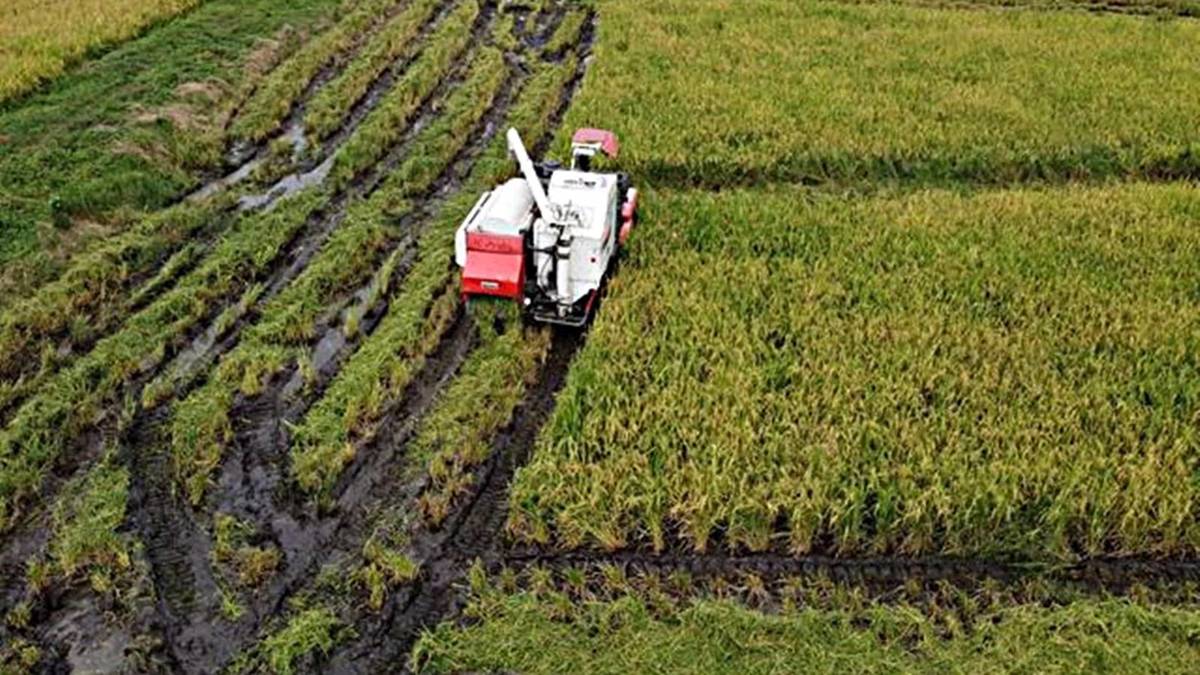
The agricultural sector in Bihar faces unique challenges, ranging from recurring flood patterns in the northern districts to moisture-stress conditions in the southern plains. As global climate patterns become increasingly erratic, the traditional methods of post-calamity compensation have often proven insufficient in providing timely and adequate relief to affected growers. The PMFBY, which operates on an actuarial premium model, is designed to provide end-to-end insurance coverage for the entire crop cycle—from pre-sowing to post-harvest.
By participating in the central scheme, Bihar will leverage a robust institutional mechanism that combines advanced remote sensing technology, satellite imagery, and crop-cutting experiments to assess yield losses with greater precision. This shift is expected to streamline the grievance redressal process and ensure that claim settlements are processed with greater transparency and speed. Furthermore, the inclusion of the state into the national pool allows for risk-sharing across diverse geographical zones, which is a critical component in stabilizing the premium burden for both the state government and the individual policyholder.
A Strategic Re-alignment with National Agricultural Policy
The return of Bihar to the PMFBY is part of a broader trend of states re-evaluating their risk management strategies in light of the federal government's ongoing refinements to the insurance program. Over the past few years, the central government has introduced several modifications to the PMFBY, including increased flexibility for states in implementing the scheme and the integration of digital infrastructure to monitor crop health in real-time. These updates have addressed many of the operational concerns that previously led some states to exit the program.
For Bihar, the re-entry is not merely an administrative decision but a strategic economic imperative. With a large population of small and marginal landholders, the state’s agricultural output is highly sensitive to climate shocks. By formalizing a standardized insurance protocol, the government is looking to encourage better credit uptake among farmers. Financial institutions are traditionally more willing to extend agricultural loans to farmers whose crops are protected by a reliable insurance policy, thereby reducing the dependency of rural households on informal and high-interest credit markets.
What This Means for Farmers
The transition to the PMFBY for the upcoming Rabi 2026-27 season brings several tangible implications for farmers across the state:
- Financial Stability: Farmers will have access to a structured safety net that covers losses caused by non-preventable natural risks, such as drought, flood, hailstorms, and pest infestations. This reduces the risk of debt cycles following a failed harvest.
- Improved Credit Access: With crops insured, farmers may find it easier to secure institutional loans from banks and cooperatives. Insurance acts as a form of collateral that mitigates the risk for lenders, potentially leading to more favorable credit terms.
- Requirement for Documentation: To participate effectively, farmers must ensure their land records are digitized and accurately linked to their Aadhaar and bank accounts. Maintaining updated records of crop sown is essential for seamless claim processing.
- Active Participation: While the scheme offers protection, farmers are encouraged to engage with local agricultural extension officers to understand the specific notification periods for enrollment. Awareness of the cut-off dates for premium payment is critical to ensuring coverage for the Rabi season.
- Technological Integration: As the state moves toward digital-first insurance, farmers should look for support from local Krishi Vigyan Kendras (KVKs) to understand how to utilize mobile apps or portal services for reporting crop damage, which will likely replace manual, paper-based reporting systems in the future.