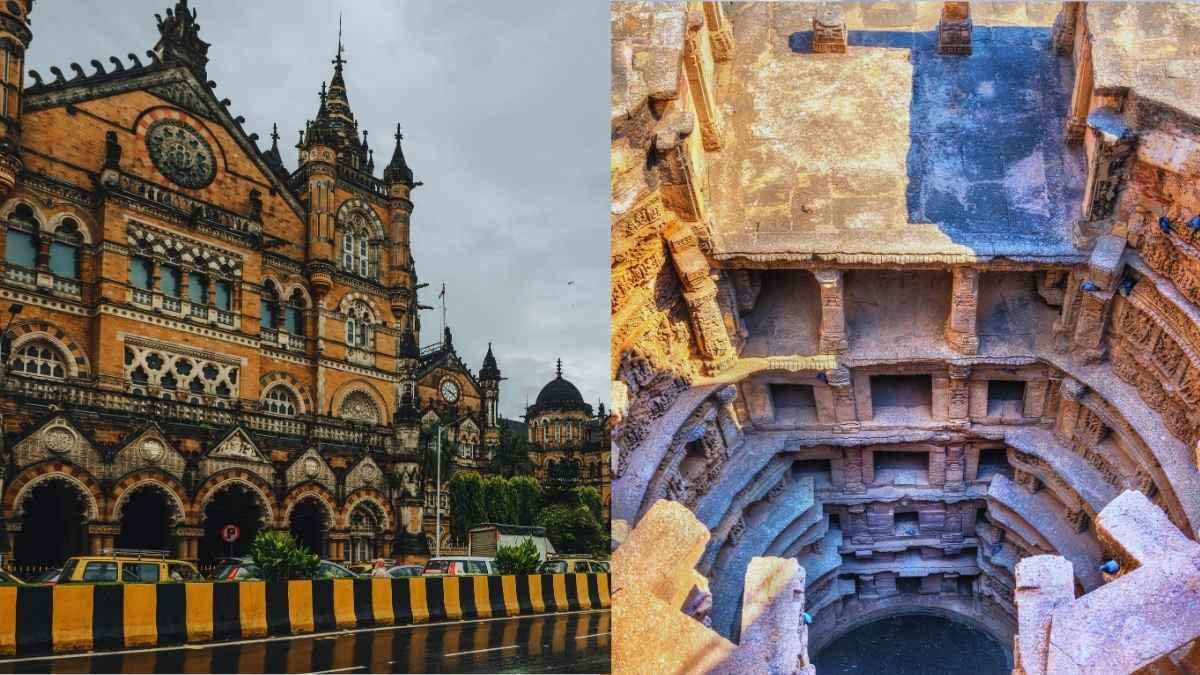
When planning travel within India, many tourists gravitate toward the most recognizable landmarks. According to Curly Tales, popular destinations such as the Taj Mahal often experience heavy foot traffic, with visitors arriving well before sunrise to avoid crowds. Similarly, the historic site of Hampi has gained significant popularity as a trending location for social media photography.
Moving Beyond Popular Landmarks
While iconic monuments hold a significant place in India's tourism landscape, the country is home to a vast array of UNESCO World Heritage Sites that offer rich historical and cultural experiences. The report from Curly Tales suggests that travelers may find rewarding experiences by looking past the most frequented "usual suspects" to explore other globally recognized locations.
Understanding UNESCO World Heritage Sites
A UNESCO World Heritage Site is a landmark or area with legal protection by an international convention administered by the United Nations Educational, Scientific and Cultural Organization. These sites are designated for having cultural, historical, scientific, or other forms of significance. In India, these sites represent a diverse range of architectural styles, ancient civilizations, and natural landscapes that serve as a testament to the nation's heritage.
Exploring India's Diverse Heritage
The perspective shared by Curly Tales highlights a common trend in tourism where specific locations dominate the travel itinerary of most visitors. By choosing to visit lesser-known or less-crowded heritage sites, travelers can potentially engage more deeply with the history and architecture of these protected areas. While the source identifies the Taj Mahal and Hampi as prominent examples of highly trafficked sites, it emphasizes the importance of exploring the breadth of India's recognized heritage beyond these well-known destinations.
Travelers interested in exploring India's UNESCO-recognized locations are encouraged to research the various sites available across different states. Each site offers a unique glimpse into the past, ranging from ancient temple complexes and colonial-era structures to natural reserves that have been preserved for their universal value.