Monsoon Flooding Leads to Unsettling Wildlife Encounters in Gujarat
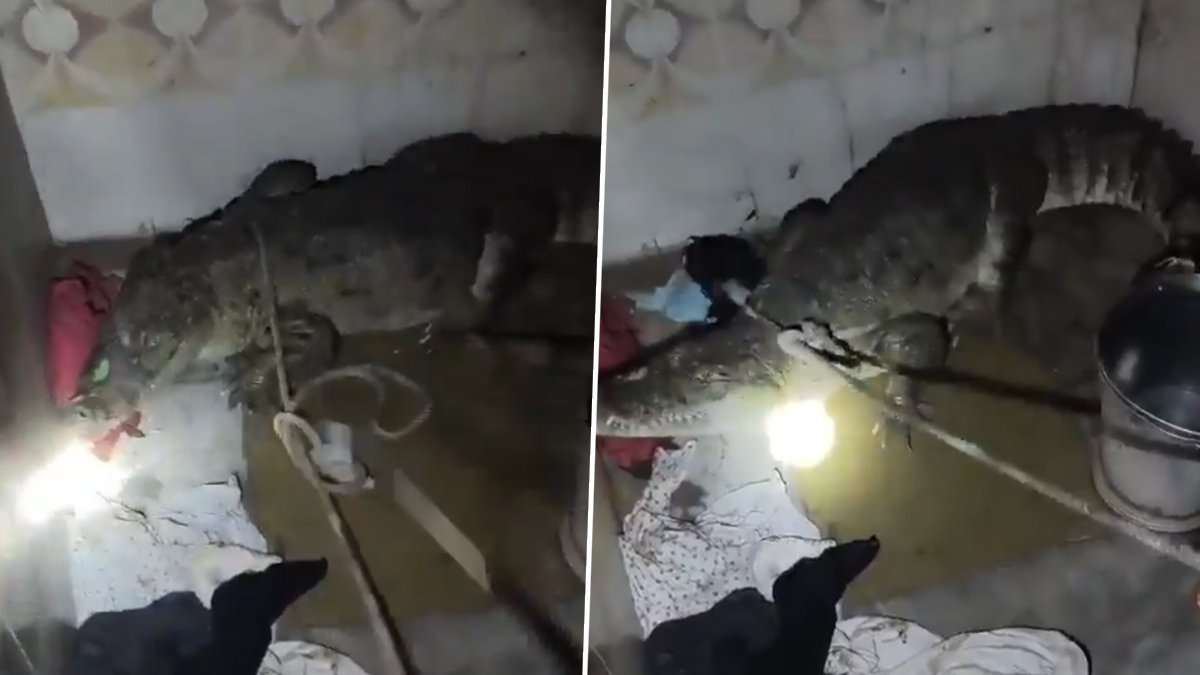
The recent bout of heavy monsoon rains across Gujarat’s Anand district has brought more than just agricultural disruption and logistical challenges; it has sparked a series of alarming wildlife incursions into residential spaces. In a harrowing incident that has since captured national attention, a local family discovered a seven-foot crocodile lurking within the confines of their home bathroom. The reptile, displaced by the rising floodwaters that have inundated low-lying areas of the region, sought refuge in the structure, leading to a tense standoff that required professional intervention.
The discovery, which occurred during the height of the monsoon surge, serves as a stark reminder of the complex ecological intersection between human settlements and the natural habitats of apex predators in the Vishwamitri river belt and its surrounding wetlands. As water levels rise in canals and seasonal streams, wildlife—particularly larger reptiles—frequently migrate into human-occupied territories, often finding themselves trapped in enclosed spaces as the floodwaters recede or shift.
A High-Stakes Rescue Operation
The situation escalated rapidly once the crocodile was spotted, prompting the family to evacuate the premises and alert local authorities. A video documenting the subsequent rescue has circulated widely on social media platforms, providing a visceral look at the dangers inherent in these wildlife-human conflicts. The footage shows a specialized team of forest officials and local wildlife rescuers navigating the flooded property to confront the animal.
The rescue operation, which lasted approximately one hour, required a high degree of precision and specialized equipment. Rescuers had to maneuver within the cramped quarters of the bathroom while ensuring both their own safety and the welfare of the crocodile. By utilizing heavy-duty restraining gear and maintaining a calm, tactical approach, the team successfully secured the reptile without injury to the animal or the responding personnel. Once subdued, the crocodile was transported to a secure, isolated location, far from populated residential zones, where it could be safely released back into its natural environment.
The Ecological Context of Monsoon Migration
Wildlife experts note that the presence of crocodiles in residential areas of Gujarat during the monsoon is a recurring phenomenon, driven by the overflow of natural drainage systems. The Vishwamitri river and its connected water bodies are known habitats for the mugger crocodile, a species that thrives in these aquatic ecosystems. During periods of heavy precipitation, the increased volume and velocity of water can sweep these animals out of their traditional basking and hunting grounds.
Furthermore, the infrastructure of rural and semi-urban Gujarat often includes open drains and seasonal water channels that intersect with private land. As these channels swell, they create corridors for wildlife movement. In many cases, the reptiles are not actively seeking out human contact but are instead following the path of least resistance through the flooded landscape, eventually becoming stranded when they enter buildings or walled compounds where they cannot easily navigate their way out.
What This Means for Farmers
For the farming community in flood-prone districts, the viral nature of this incident underscores the necessity of heightened vigilance during the rainy season. While such dramatic encounters remain relatively rare, they highlight a broader risk management issue for rural households and agricultural operations:
- Site Assessment and Security: Farmers living near riverbanks, irrigation canals, or drainage basins should inspect their properties for gaps in boundary walls or drainage outlets that could allow large wildlife entry during flood events. Ensuring that perimeter fencing is secure can act as a crucial deterrent.
- Emergency Protocol: In the event of a wildlife discovery, the primary advice from forest departments remains consistent: do not attempt a DIY capture. These animals are highly aggressive when stressed or cornered. Residents should immediately vacate the area, restrict access to the room or building, and contact the local forest department or authorized wildlife rescue helplines.
- Risk Awareness for Livestock: Beyond the safety of the household, flood-induced wildlife movement poses a significant threat to livestock. Farmers are encouraged to move animals to higher, secure ground well before water levels become critical. Ensuring that sheds are enclosed and that water sources are clear of debris can help prevent attracting predators to areas where livestock are housed.
- Economic Vigilance: The displacement of wildlife is a direct consequence of shifting local hydrology. Farmers should monitor local flood alerts not only for crop protection but as a signal that wildlife may be on the move. Maintaining a list of emergency contact numbers for wildlife rescue units is a practical, proactive step that every rural household should take at the onset of the monsoon season.