Unprecedented Deluge in South Gujarat: Valsad Faces Catastrophic Flooding After Record Rainfall
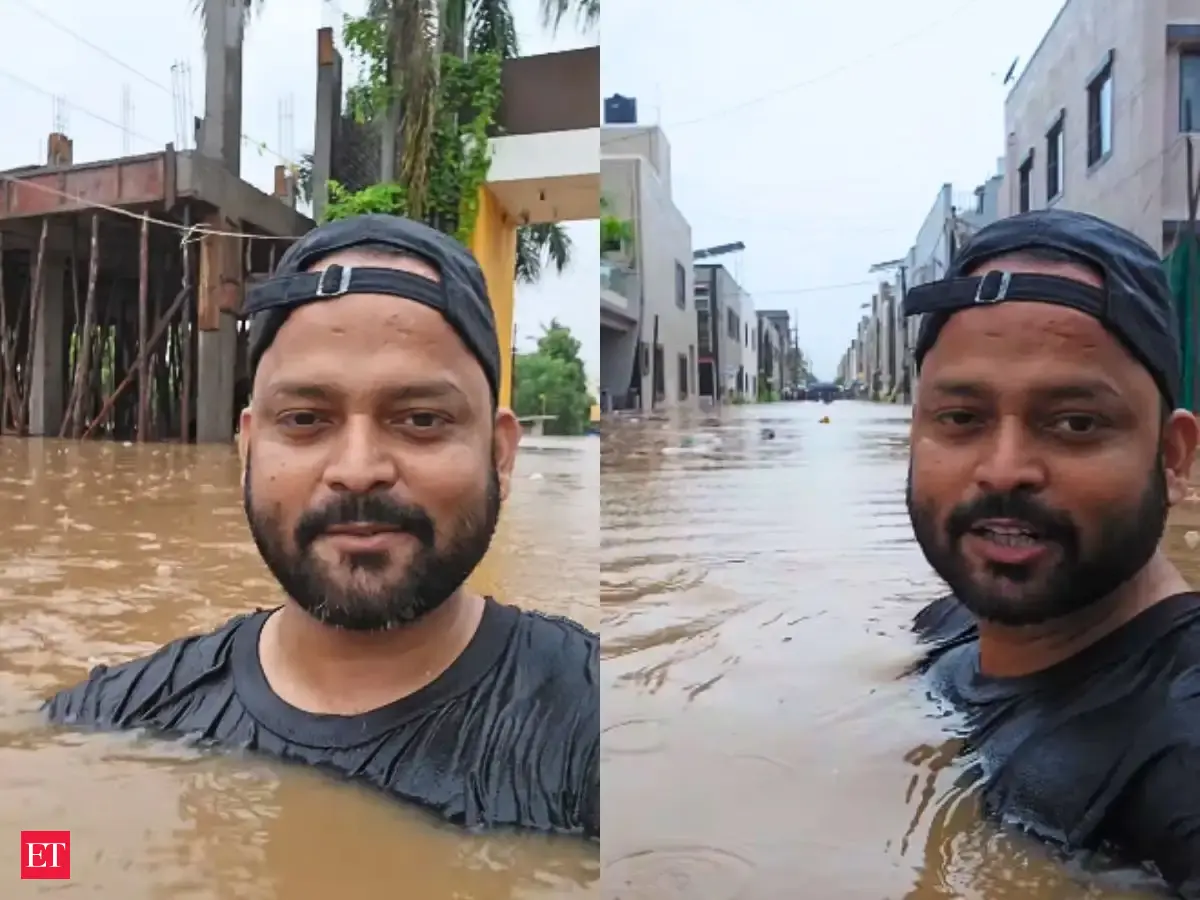
The monsoon season has taken a harrowing turn in South Gujarat, where extreme weather patterns have pushed infrastructure and emergency services to their absolute breaking point. In a stark illustration of the crisis, a video circulating from the Valsad district has captured the terrifying reality of the ongoing floods. The footage, recorded by a local Bandhan Bank employee, shows the individual navigating neck-deep floodwaters outside his own residence, underscoring the rapid and life-threatening nature of the inundation.
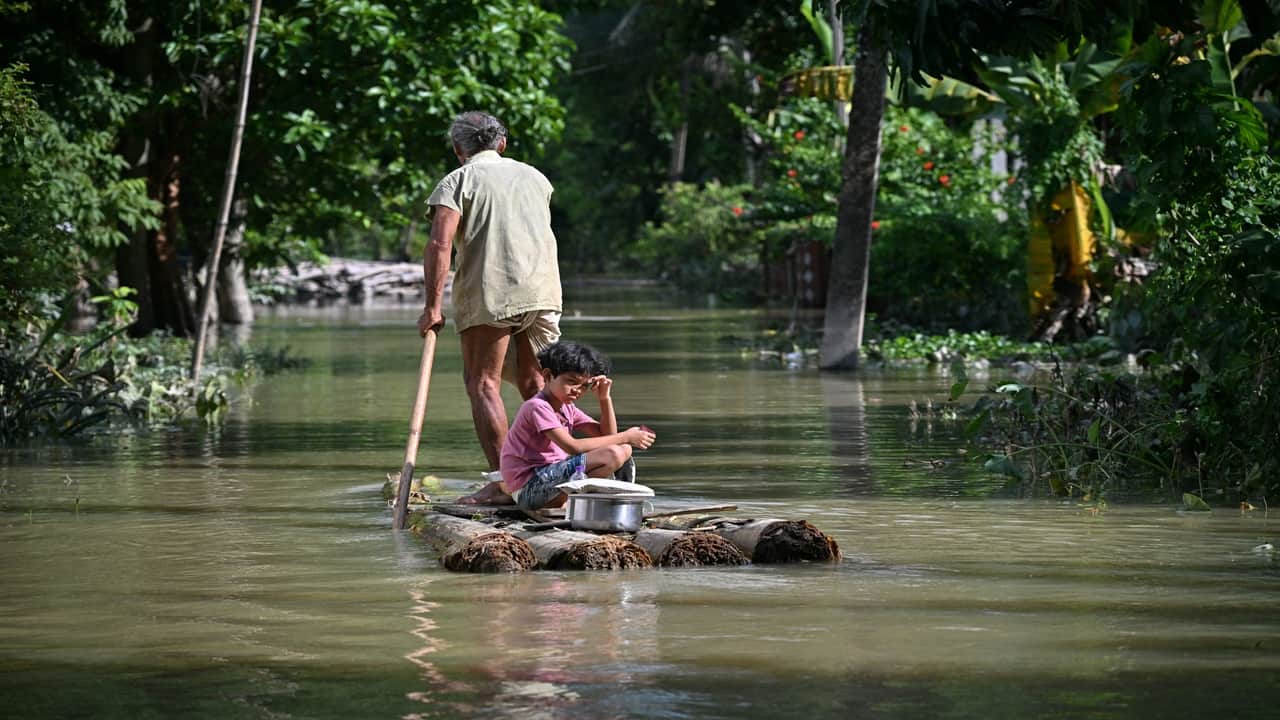
The severity of the situation is rooted in an extraordinary meteorological event centered on Umbergaon taluka. Meteorological data indicates that the region was subjected to an unrelenting downpour, with over 1,100 millimeters of rain recorded within a mere 16-hour window. This volume of precipitation—far exceeding the average expected for such a short duration—has transformed residential streets into turbulent waterways, overwhelmed drainage systems, and effectively paralyzed agricultural and commercial activity across the district.
Infrastructure Overwhelmed as Monsoon Intensifies
The scale of the disaster has prompted a massive mobilization of emergency response teams. Reports confirm that state authorities and disaster management agencies have conducted over 1,200 rescue operations as families found themselves trapped in submerged homes. Despite the rapid deployment of rescue personnel, the intensity of the flooding has already claimed at least one life, serving as a somber reminder of the vulnerabilities inherent in the region’s topography during extreme monsoon events.
The sheer velocity of the water, fueled by the staggering rainfall totals, has caused significant damage to rural infrastructure. In many parts of South Gujarat, road networks have been severed, cutting off access to remote farming communities and hindering the delivery of essential supplies. Agronomists note that such high-intensity rainfall in a compressed timeframe prevents soil absorption, leading to massive surface runoff that strips topsoil and destroys standing crops, particularly in low-lying fields that act as natural basins for floodwater.
Agricultural and Economic Fallout
For the agricultural sector, the timing of these floods is particularly devastating. South Gujarat is a critical hub for various horticultural and cash crops, many of which are currently in vulnerable stages of development. The saturation of fields for extended periods leads to root rot, nutrient leaching, and the physical uprooting of plants, which can result in near-total yield losses for affected farmers. Beyond the immediate crop damage, the loss of livestock and the destruction of stored fodder and fertilizers present a secondary economic shock that will likely be felt long after the floodwaters recede.
Furthermore, the disruption of banking and commercial services—as evidenced by the plight of the bank employee—signals a broader breakdown in the rural economy. When local financial institutions cannot operate, credit flow to farmers is interrupted, and the ability to conduct routine business transactions is suspended, creating a ripple effect that complicates recovery efforts for smallholder farmers who rely on timely access to capital for seasonal inputs.
What This Means for Farmers
The record-breaking rainfall in Valsad serves as a wake-up call for the necessity of climate-resilient farming practices. For producers in high-risk zones, the following considerations are essential in the wake of such disasters:
- Prioritize Crop Insurance Claims: Farmers should immediately document all visible damage to their fields, including photographs and videos, to support insurance claims. Contact local agricultural extension offices to ensure that crop loss reporting is filed within the mandated government timelines.
- Soil Health Recovery: Once the water recedes, fields will likely suffer from severe nitrogen leaching. Soil testing will be critical before replanting to determine the extent of nutrient depletion and to prevent the application of unnecessary, costly fertilizers.
- Water Management Infrastructure: This event highlights the urgent need for improved on-farm drainage systems. Investing in field-level water management, such as contour trenching or improved bunding, can help mitigate the impact of future flash floods by controlling water velocity and reducing soil erosion.
- Livestock Safety: The loss of life in these floods extends to animals. Farmers are advised to maintain updated emergency relocation plans for livestock, ensuring that high-ground shelter is identified well before the monsoon peaks.
- Economic Resilience: Given the increasing frequency of extreme weather, diversifying income streams—such as integrating livestock or opting for short-duration, flood-tolerant crop varieties—can provide a buffer against the total loss of a single seasonal harvest.
As the state continues to manage the aftermath of this deluge, the agricultural community must remain vigilant. While the immediate focus is on life safety and emergency rescue, the long-term recovery will require a concerted effort by both farmers and policymakers to fortify the region’s resilience against an increasingly volatile climate.