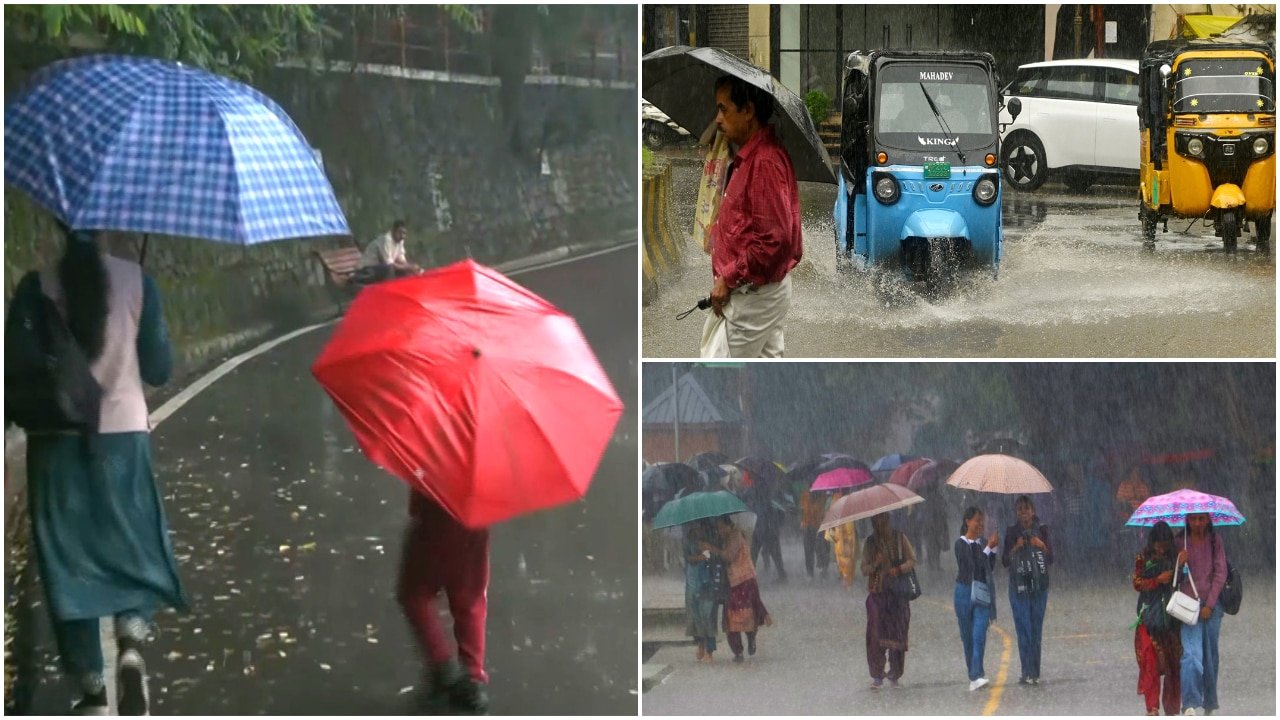
Regional Weather Volatility Disrupts Academic and Rural Schedules Across India
As of August 12, 2026, a significant portion of Northern, Central, and Western India is navigating a complex landscape of school closures and administrative alerts triggered by persistent, heavy monsoon activity. The India Meteorological Department (IMD) has issued a series of red and orange alerts across multiple states, citing intense rainfall, potential flash flooding, and waterlogging risks. This weather pattern has necessitated localized decisions regarding school operations, creating a patchwork of closures ranging from the National Capital Region (NCR) to the mountainous terrain of Himachal Pradesh and the agricultural heartlands of Madhya Pradesh and Maharashtra.
For rural communities, these disruptions extend far beyond the classroom. In regions where the monsoon is currently at its peak, the logistical challenges of commuting—compounded by saturated soil and rising water levels—have forced district administrations to prioritize safety. While urban centers grapple with traffic congestion and public transport delays, the agricultural sector is monitoring the situation with equal intensity, as the heavy precipitation influences both soil moisture levels and the health of standing kharif crops.
Monsoon Dynamics and Administrative Response
The current meteorological situation is characterized by a vigorous monsoon trough, which has brought sustained rainfall to states including Uttar Pradesh, Madhya Pradesh, and Himachal Pradesh. In Himachal Pradesh, the topography presents unique challenges, with heavy rains increasing the risk of landslides and road blockages, prompting school closures to ensure the safety of students traveling from remote villages. Similarly, in Bhopal and across various districts of Madhya Pradesh, administration officials have invoked emergency protocols to suspend physical classes in response to warnings of intense downpours.
State-wise policies remain fluid, often determined at the district magistrate level based on real-time weather data. In parts of Maharashtra and the Delhi-NCR region, authorities are balancing the necessity of academic continuity with the imperative of public safety. Residents are being advised to remain vigilant, consult local official portals for daily updates, and avoid low-lying areas prone to flooding. The IMD continues to track the trajectory of these rain-bearing systems, with forecasts suggesting that the current instability may persist, requiring ongoing monitoring by local authorities and school boards alike.
What This Means for Farmers
While the focus of these headlines is often on academic disruptions, the underlying weather patterns hold significant weight for the farming community. The heavy rainfall currently impacting these regions brings both opportunities and risks for the ongoing kharif season.
- Soil Saturation and Drainage Management: Sustained, heavy rainfall can lead to waterlogging in low-lying fields. Farmers are advised to ensure that field drainage channels are clear to prevent root rot and nutrient leaching, which can severely impact crop yields for staples like paddy and soybeans.
- Pest and Disease Pressure: High humidity and consistent moisture create an ideal environment for fungal infections and pest outbreaks. It is critical to scout fields regularly for signs of blight or infestation and consult local agricultural extension officers regarding the timing of protective sprays, as heavy rain can wash away foliar applications.
- Operational Delays: Just as school schedules are disrupted, farm operations—such as fertilizer top-dressing or mechanical weeding—must be adjusted. Avoid heavy machinery movement on waterlogged soil, as this can lead to severe soil compaction, which hinders long-term root development and soil aeration.
- Livestock Safety: During periods of heavy rain and potential flooding, ensure that livestock are moved to higher, dry ground. Adequate shelter and stored feed must be prioritized, as grazing conditions may become precarious due to mud and rising water levels.
Farmers are encouraged to stay informed via local meteorological updates and agricultural advisories. While the monsoon is essential for the region's water security, the intensity of the current weather demands proactive management to protect both infrastructure and crop potential. Coordination with local agricultural cooperatives and district administration offices remains the most effective way to navigate the challenges posed by this unpredictable monsoon cycle.