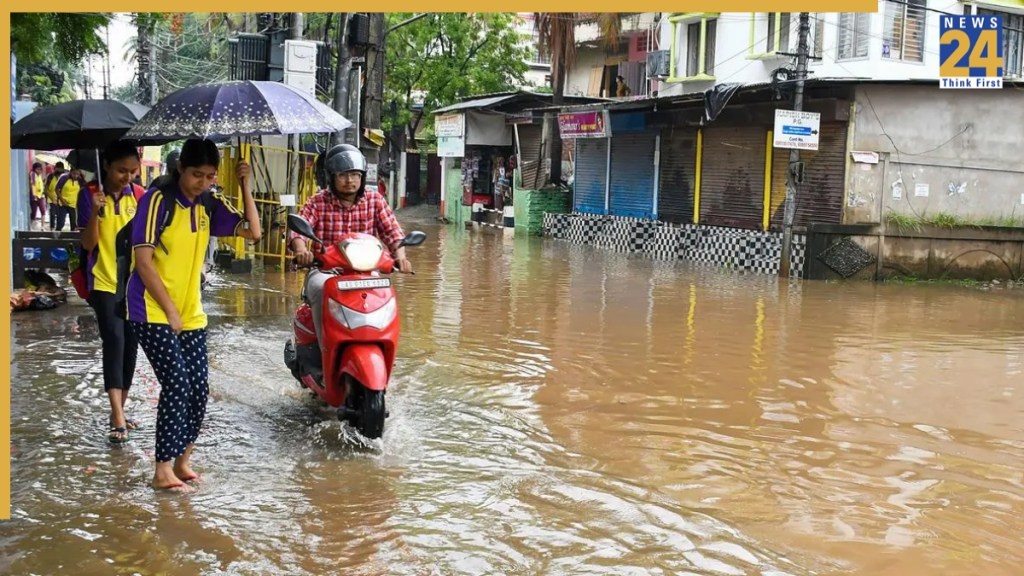
Escalating Monsoon Crisis in Assam: IMD Issues Multi-Day Heavy Rainfall Warning
The state of Assam is currently grappling with a severe meteorological crisis as the India Meteorological Department (IMD) issued a fresh alert forecasting heavy to very heavy rainfall across the region for the next five days. This latest warning arrives at a critical juncture, as local authorities struggle to manage the aftermath of ongoing floods that have already claimed 47 lives. With the monsoon cycle intensifying, the state remains on high alert for further devastation, including widespread waterlogging, flash floods, and potential landslides in vulnerable hilly tracts.
Meteorological Outlook and Regional Vulnerability
The IMD’s latest bulletin indicates that a sustained moisture surge from the Bay of Bengal, coupled with prevailing atmospheric conditions over the Northeast, is creating a concentrated belt of heavy precipitation. Meteorological experts note that the sheer volume of rainfall expected over the coming 120 hours poses a significant risk to the state’s saturated river embankments and drainage infrastructure. The forecast covers a broad spectrum of districts, with specialized warnings issued for areas bordering the foothills of the Himalayas, where the risk of slope instability and landslides is significantly elevated.
The persistent nature of this weather pattern is particularly concerning. Unlike brief, intense downpours, a five-day stretch of consistent, heavy rainfall prevents the soil from absorbing moisture, leading to rapid surface runoff. This increases the threat of flash flooding in low-lying areas and complicates the efforts of disaster management teams who are currently working to reach stranded populations. Residents in flood-prone districts are being advised to monitor local weather updates closely and adhere to evacuation mandates issued by district disaster management authorities.
Disaster Management and Humanitarian Response
As the death toll reaches 47, the humanitarian response has shifted into high gear. State and central disaster response forces are currently deployed across the most affected districts, focusing on search and rescue operations, as well as the distribution of essential supplies to relief camps. The scale of the current flood event underscores the perennial challenge Assam faces during the monsoon season, where the Brahmaputra and its tributaries frequently breach danger levels due to excessive precipitation in both the state and the upstream catchment areas.
Beyond the immediate loss of life, the infrastructure damage is significant. Roads, telecommunication networks, and power grids in several districts have sustained varying degrees of impact, further hindering the reach of medical and emergency services. Authorities are emphasizing the importance of community-level preparedness, urging those in identified danger zones to relocate to higher ground before the intensity of the rainfall peaks. The government has also initiated a district-wise monitoring system to ensure that early warning signals are communicated effectively to remote villages that are often the first to be cut off during flood events.
What This Means for Farmers
For the agricultural sector, which forms the backbone of Assam’s economy, this prolonged heavy rainfall event presents a severe threat to both current standing crops and long-term land productivity. Farmers should consider the following impacts and mitigation strategies during this critical period:
- Crop Inundation and Root Rot: Standing crops, particularly in low-lying paddies, are at high risk of total loss due to prolonged submersion. Excessive water leads to an oxygen deficit in the root zone, causing plants to wilt and succumb to fungal pathogens. Farmers are advised to ensure that field drainage channels are clear, though this may be difficult during peak flood conditions.
- Soil Erosion and Nutrient Leaching: Heavy rainfall causes significant topsoil erosion, stripping the land of essential nutrients. Following the monsoon, farmers should prepare for a comprehensive soil testing regimen to assess nutrient depletion and plan for necessary fertilization adjustments in the post-flood cropping season.
- Livestock Safety: Livestock are highly vulnerable to waterborne diseases and physical injury during flooding. Farmers should move animals to designated elevated shelters and store fodder in waterproof areas to prevent contamination. Prioritizing the vaccination of livestock against common monsoon-related infections is essential once the immediate flood danger subsides.
- Post-Flood Pathogen Management: The combination of humidity and stagnant water creates an ideal environment for pests and diseases. Agricultural extension services recommend that farmers remain vigilant for signs of blight or bacterial outbreaks once the water recedes and prepare to deploy appropriate, government-approved fungicides or pesticides as needed.
- Economic Documentation: To facilitate potential insurance claims or government relief packages, farmers must document crop damage thoroughly. Capturing photographic evidence and maintaining records of input costs can be vital when applying for financial assistance through state-sponsored disaster relief programs.