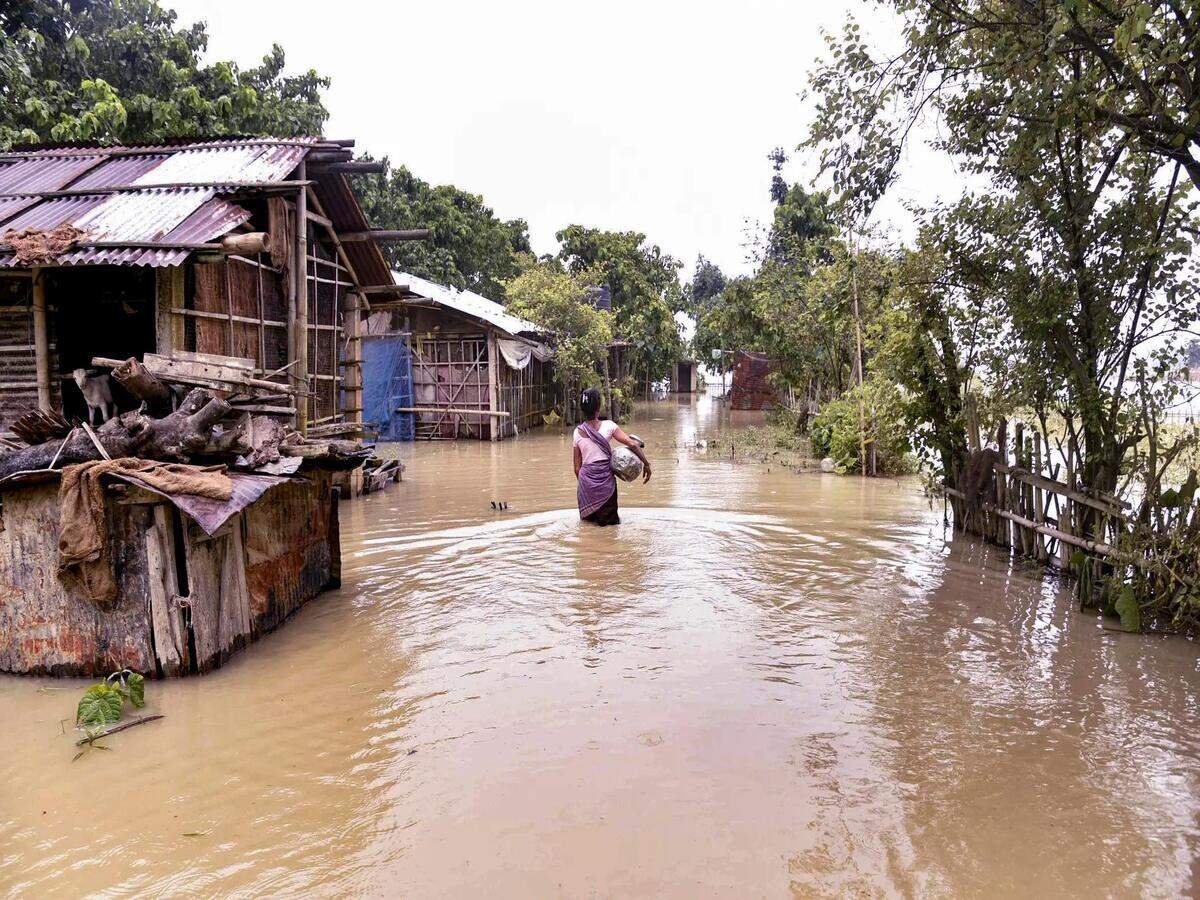
Assam Flood Crisis Intensifies as Death Toll Reaches 68
The state of Assam is currently grappling with a severe humanitarian and agricultural crisis as the latest data from the Disaster Reporting and Information Management System (DRIMS) confirms that the death toll from ongoing monsoon flooding has risen to 68. The relentless rainfall, which has battered the region over the past several weeks, has led to widespread inundation, displacing thousands of families and causing catastrophic damage to critical infrastructure and rural livelihoods.
As water levels in major river systems remain dangerously high, state authorities have ramped up relief and rescue operations. Emergency response teams are navigating submerged terrain to reach isolated communities, while the administration works to provide essential supplies, medical aid, and temporary shelter to the displaced. The situation remains fluid, with meteorological forecasts suggesting that the intensity of the monsoon may continue to pose a significant threat to the region in the coming days.
The Impact on Agrarian Landscapes and Infrastructure
The flooding in Assam is not merely a residential crisis; it represents a profound disruption to the state’s agricultural backbone. The Brahmaputra and its tributaries, which typically irrigate the fertile plains of the region, have breached their banks, leading to the submergence of vast swathes of standing crops. For many farmers, this period coincides with critical stages of the cropping cycle, meaning that the current inundation threatens to wipe out entire harvests.
Beyond the immediate loss of crops, the floodwaters carry significant long-term risks for soil health and land productivity. The deposition of silt, sand, and debris on agricultural land can alter soil structure, potentially rendering fields unsuitable for planting in the immediate aftermath. Furthermore, the destruction of rural infrastructure—including local access roads, irrigation channels, and storage facilities—has severely hampered the ability of farmers to transport produce or access essential inputs. The loss of livestock, which serves as a vital economic buffer for smallholder farmers, further compounds the financial strain on rural households.
Managing the Aftermath: Recovery and Resilience
As the immediate focus remains on life-saving rescue operations, the state faces the daunting task of assessing the full scale of the economic damage. The Disaster Reporting and Information Management System (DRIMS) continues to monitor the situation, providing real-time updates that are crucial for coordinating aid distribution. Agricultural experts note that once the waters begin to recede, the priority will shift toward sanitation, disease control for livestock, and the rapid assessment of crop viability.
The recurring nature of these floods highlights the urgent need for robust disaster risk reduction strategies. Strengthening early warning systems, investing in flood-resilient infrastructure, and exploring crop insurance schemes that specifically account for extreme weather events are becoming essential components of modern agricultural management in flood-prone zones. The resilience of the farming community will be tested as they prepare for the arduous task of land rehabilitation and recovery in the post-flood period.
What This Means for Farmers
For farmers in Assam, the current situation necessitates a shift toward immediate damage mitigation and long-term recovery planning. The following considerations are vital for those navigating the impacts of these floods:
- Livestock Safety: Prioritize the movement of livestock to higher ground. Ensure that fodder is kept in elevated or water-resistant areas to prevent contamination and spoilage, which can lead to disease outbreaks among animals.
- Crop Assessment: Once floodwaters recede, perform a systematic survey of field damage. Consult with local agricultural extension officers to determine if crops can be salvaged or if replanting is necessary, depending on the remaining length of the growing season.
- Documentation for Claims: Maintain meticulous records of lost property, damaged equipment, and destroyed crop yields. This documentation is essential for accessing government relief packages and filing insurance claims. Photographic evidence should be captured whenever it is safe to do so.
- Soil Health Management: Be prepared for the accumulation of non-fertile silt. Before the next planting cycle, soil testing may be required to assess whether the nutrient profile has been compromised or if significant remediation is needed to restore fertility.
- Community Cooperation: Engage with local farmer cooperatives to share resources and labor. Collective action is often the most effective way to clear debris from irrigation channels and repair communal infrastructure, which is essential for restoring local agricultural productivity.