Assam Chief Minister Emphasizes Direct Benefit Transfers as Catalyst for Economic Upliftment
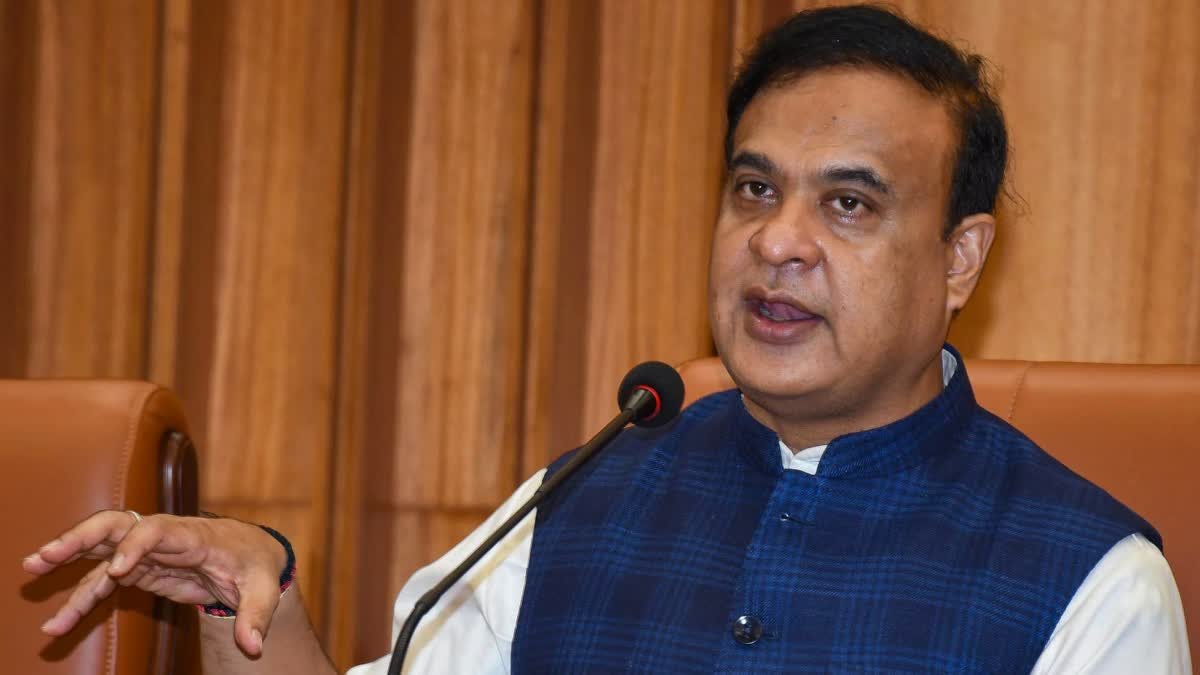
In a recent address focusing on the socio-economic trajectory of Assam, Chief Minister Himanta Biswa Sarma has underscored the transformative role of Direct Benefit Transfer (DBT) schemes in the state’s ongoing battle against poverty. By streamlining financial assistance directly to the accounts of eligible beneficiaries, the state government aims to bypass traditional bureaucratic bottlenecks, ensuring that fiscal support reaches the rural and agrarian populace with unprecedented efficiency. This strategy, according to the Chief Minister, is a cornerstone of the state's broader objective to bring poverty rates down to single digits, marking a significant milestone in regional development.
The emphasis on DBT is part of a wider fiscal policy designed to provide a safety net for vulnerable households, particularly those reliant on small-scale agriculture and informal labor. By stabilizing household incomes, the government seeks to foster an environment where families can invest in essential needs, such as improved agricultural inputs, education, and healthcare. This, in turn, is expected to create a ripple effect, stimulating local markets and encouraging micro-economic stability across Assam’s diverse rural districts.
Synergy Between Industrial Expansion and Agrarian Support
While direct financial aid provides immediate relief, the Chief Minister’s roadmap for long-term prosperity is intrinsically linked to robust industrial growth. The administration is actively seeking to foster a symbiotic relationship between the burgeoning industrial sector and the state’s agricultural backbone. By attracting capital investment and encouraging private sector participation, Assam aims to create a diversified economy that is less susceptible to the volatility of traditional commodity markets.
The call for closer cooperation with the Central government highlights the necessity of integrated policy-making. For Assam, this means aligning state-level agricultural initiatives with national programs focused on infrastructure, digital connectivity, and supply chain logistics. The goal is to move beyond mere poverty alleviation and toward sustainable wealth creation. By improving rural infrastructure—such as cold storage facilities, transport networks, and processing plants—the state intends to help farmers capture more value from their produce, transitioning them from subsistence farming to commercial-scale productivity.
Leveraging Central Partnerships for Regional Stability
The Chief Minister’s strategy relies heavily on the seamless coordination between state-level implementation and national budgetary support. By harmonizing state welfare schemes with central developmental frameworks, the government hopes to create a more resilient economic environment. This partnership is viewed as essential for scaling up initiatives that have already shown promise in pilot phases, particularly those involving digital governance and transparent subsidy distribution.
Furthermore, the focus on industrial growth is not intended to overshadow agriculture but rather to complement it. By encouraging the processing of agricultural raw materials within the state, the government hopes to create new employment opportunities for the rural youth. This integrated approach is designed to prevent the mass migration of labor, ensuring that human capital remains within the state to drive both agricultural innovation and industrial productivity.
What This Means for Farmers
For the farming community in Assam, these developments signal a shift toward a more formalized and supported economic landscape. Farmers should note the following practical impacts and strategic considerations:
- Increased Financial Liquidity: The continued reliance on DBT means that financial support is becoming more predictable. Farmers should prioritize using these funds for productivity-enhancing inputs, such as certified seeds, organic fertilizers, and irrigation equipment, which offer higher long-term returns.
- Access to Industrial Markets: As the state pushes for industrial growth, farmers should look for opportunities to engage with local agro-processing units. Forming or joining Farmer Producer Organizations (FPOs) can provide the collective bargaining power needed to supply these emerging industries directly.
- Digital Compliance: With the emphasis on direct transfers and central schemes, keeping land records and bank accounts updated and linked to government portals is critical. Ensuring that all documentation is digitized and error-free will be essential for uninterrupted access to state and central benefits.
- Diversification Opportunities: The government’s drive toward industrial integration suggests that there may soon be more support for value-added agriculture. Farmers are encouraged to explore high-value crops that are currently being prioritized for state-led processing and export initiatives.
- Long-term Planning: While DBT provides a floor for income, the ultimate goal of the current policy is to move households toward self-sufficiency. Farmers should view these transfers as a bridge to modernize their operations rather than a permanent replacement for market-driven income.