Assam’s Ongoing Crisis: A Stark Reminder of India’s Vulnerability to Monsoon Floods
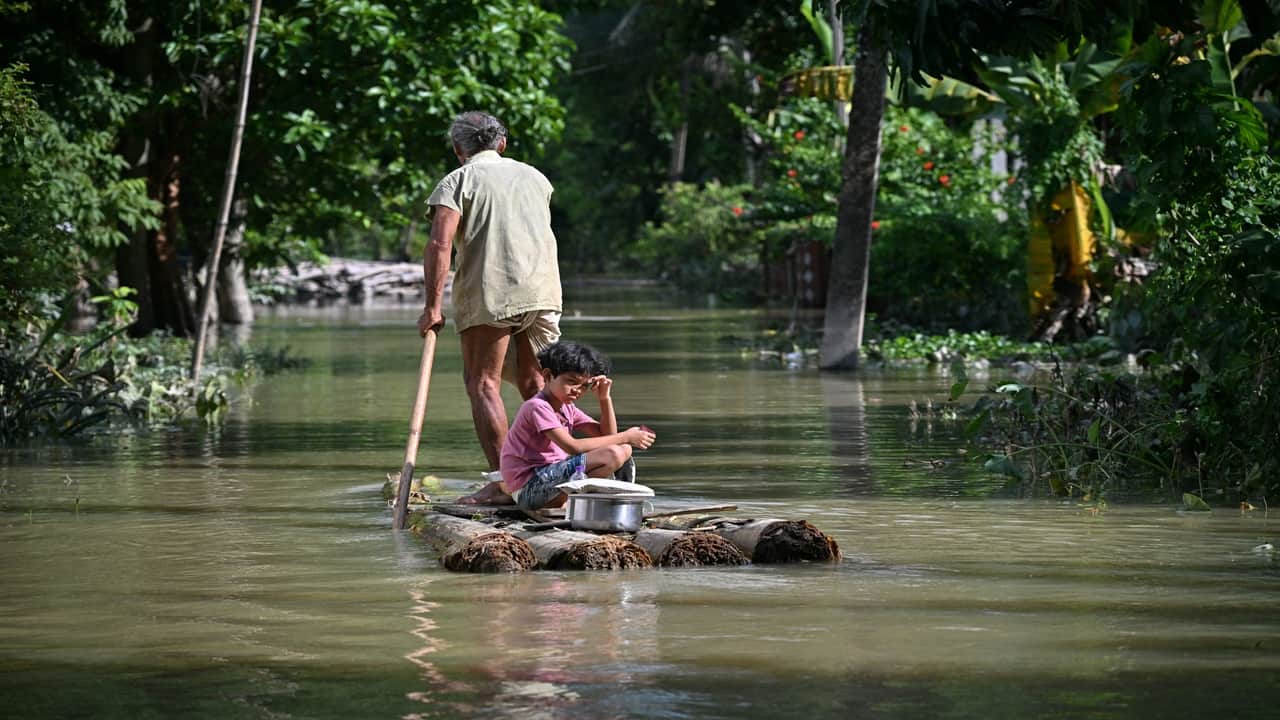
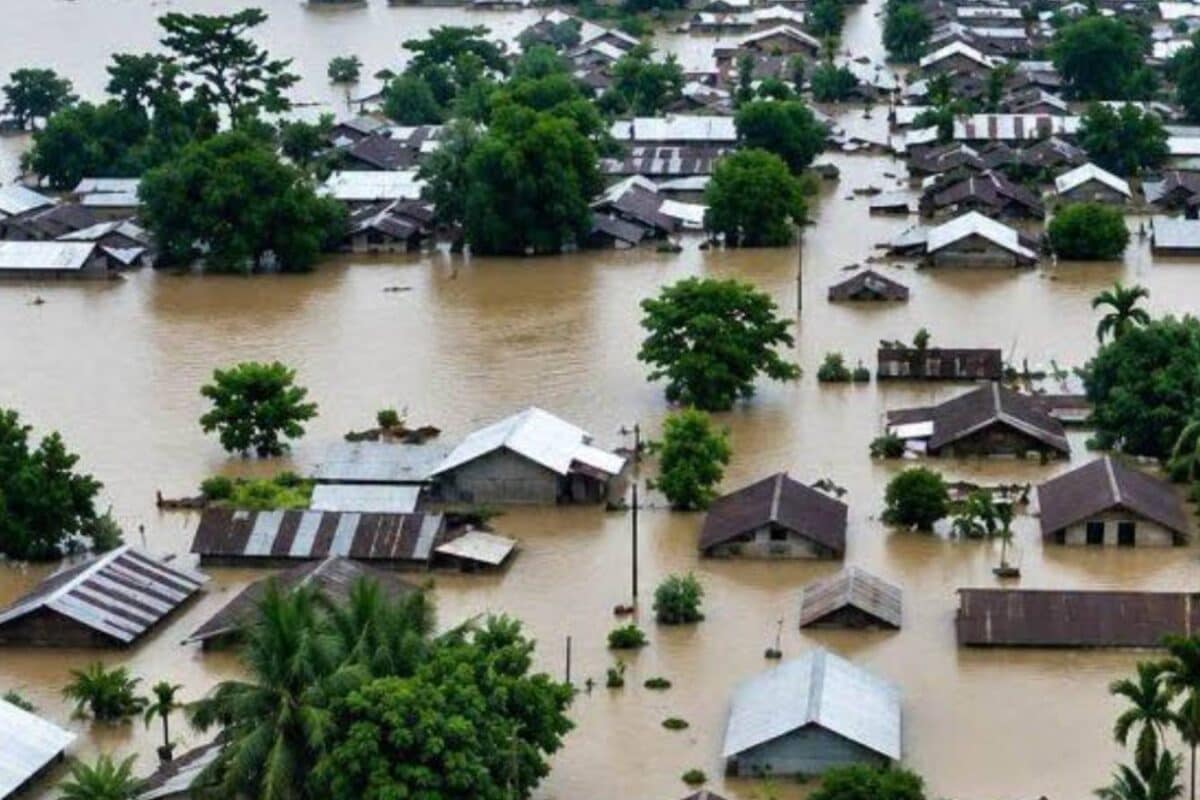
The state of Assam is currently grappling with a humanitarian and agricultural crisis as relentless monsoon rains have pushed river systems, particularly the Brahmaputra, beyond their danger levels. The inundation of vast tracts of fertile cropland, the displacement of thousands of families, and the disruption of vital transport infrastructure have once again brought the precarious nature of India’s flood-prone regions into sharp focus. As rescue operations continue and the waters slowly recede in some sectors, the situation in Assam serves as a somber reminder of the recurring climatic challenges that define the monsoon season in the Indian subcontinent.
This latest disaster is not an isolated event but rather a continuation of a historical pattern that has plagued India for decades. By examining the trajectory of previous catastrophic flood events, experts are looking to understand how regional vulnerabilities—ranging from deforestation and river siltation to changing precipitation patterns—have converged to turn seasonal rainfall into national emergencies.
A History of Inundation: Lessons from India’s Worst Flood Disasters
India’s geographical diversity, characterized by its complex river networks and unique orographic rainfall, has historically made it susceptible to devastating floods. Over the past several decades, the nation has witnessed a series of flood events that have fundamentally altered the landscape of disaster management and agricultural policy.
One of the most defining moments in recent history remains the 2013 North India floods, which were triggered by unprecedented rainfall in the Himalayan region. The event, which caused widespread destruction across Uttarakhand, highlighted the dangers of rapid infrastructure development in ecologically sensitive zones. The catastrophic flash floods and landslides demonstrated how natural drainage systems, when obstructed by human intervention, can exacerbate the impact of even standard monsoon surges.
Similarly, the 2015 floods in Tamil Nadu, particularly in Chennai, showcased the dangers of urban flooding. The disaster revealed that as India continues to urbanize, the loss of wetlands and natural floodplains significantly reduces the land’s capacity to absorb heavy rainfall. In the agricultural heartlands, the 2008 Bihar floods, caused by the Kosi River breaching its embankments, remain a benchmark for displacement and long-term soil degradation. These historical events share a common thread: they occur when environmental stressors meet aging or inadequate water-management infrastructure, leading to systemic failures that impact millions of lives.
The Ecological and Agronomic Drivers of Frequent Flooding
To understand why regions like Assam are repeatedly hit, one must look at the intersection of geography and modern agronomy. The Brahmaputra valley is naturally prone to flooding due to its unique topography and high silt load. However, the intensity of these floods is increasingly tied to the degradation of upstream catchment areas. As forest cover is removed for agricultural expansion or commercial development, the soil’s ability to anchor itself is compromised, leading to massive sediment transport that raises riverbeds and reduces the capacity of channels to hold water.
Furthermore, the shifting nature of the monsoon—characterized by shorter, more intense bursts of rain rather than sustained, moderate showers—leaves little time for water to drain through traditional channels. For farmers, this means that even if the total annual rainfall remains within historical averages, the concentration of that rainfall into a few days often results in "drowning" crops. This saturation leads to root rot, the leaching of essential soil nutrients, and the physical washing away of topsoil, which represents the most significant long-term threat to regional food security.
What This Means for Farmers
For the farming community, the current situation in Assam and the legacy of India’s flood disasters present a challenging economic and operational reality. The immediate impact is the total loss of standing kharif crops, which necessitates a rapid transition into recovery mode. To mitigate these risks, agricultural experts emphasize several actionable strategies:
- Diversification of Crop Varieties: Farmers are encouraged to adopt flood-tolerant and short-duration crop varieties that can be harvested before the peak monsoon surges or that can withstand temporary waterlogging without significant yield loss.
- Investment in Soil Health and Drainage: Improving on-farm drainage systems, such as the construction of peripheral channels and the maintenance of natural water outlets, is critical to preventing standing water from damaging root systems.
- Crop Insurance and Financial Planning: Given the increasing frequency of climate-driven disasters, participation in government-backed crop insurance schemes is no longer optional. Farmers should ensure their records are updated to facilitate swift claims processing following a disaster declaration.
- Adopting Agroforestry: Integrating trees into farming landscapes can help stabilize soil, reduce the velocity of surface runoff, and improve the soil’s structural integrity, providing a buffer against the erosive power of floodwaters.
As the monsoon season progresses, the focus for the agricultural sector must shift from merely reacting to disasters to building a resilient framework that prioritizes soil conservation, better water management, and proactive risk mitigation. The resilience of India’s food supply depends on the ability of its farmers to adapt to these shifting climatic realities through both traditional knowledge and modern agronomic innovation.