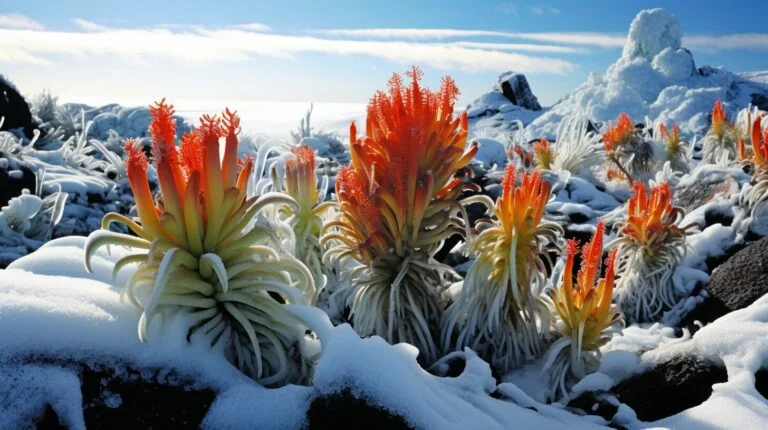
Antarctica’s Native Flora and the Path to Genetic Resilience
A recent scientific initiative has reached a significant milestone in plant biology by creating the most extensive genetic map of Colobanthus quitensis. This species holds a unique position in the natural world as one of the very few flowering plants capable of surviving the extreme climate of Antarctica.
According to a report by The CSR Journal, a team of researchers based in Chile conducted this study. The primary objective of the project is to decode the biological mechanisms that allow this plant to withstand conditions that are typically lethal to most vegetation.
Understanding the Resilience of Colobanthus quitensis
The research focuses on how Colobanthus quitensis manages to maintain its life cycle in an environment defined by severe stressors. The scientists are investigating the genetic makeup of the plant to identify how it adapts to its challenging habitat. The core environmental hurdles identified by the study include:
- Freezing temperatures: The plant must maintain cellular integrity despite the persistent sub-zero climate of the Antarctic region.
- Water scarcity: The flora faces significant limitations regarding water availability, requiring specific adaptations to survive.
By mapping the genome of this plant, researchers aim to uncover the secrets behind its survival strategies. Such genetic insights are considered vital for understanding how certain organisms can adapt to harsh, changing environments.
The Significance of the Genetic Mapping
The creation of a comprehensive genetic map serves as a foundational tool for the scientific community. By cataloging the genetic structure of Colobanthus quitensis, the Chilean research team has provided a detailed reference that may help explain the plant's physiological endurance.
While the study primarily addresses the unique biological properties of this Antarctic native, the implications of such research often extend to broader questions regarding plant resilience. The ability to thrive in extreme conditions is a subject of ongoing interest, as it provides data that could contribute to a better understanding of how various species might adapt to environmental shifts.
Future Directions for Antarctic Research
The work conducted by the team from Chile highlights the importance of studying extreme-environment flora. As global environmental conditions continue to fluctuate, the data extracted from specialized plants like Colobanthus quitensis becomes increasingly relevant. The researchers involved in this project are looking to translate these genetic findings into a clearer picture of how nature facilitates survival in the most inhospitable corners of the planet.
This research remains a key area of interest for those tracking developments in plant science and climate adaptation. As the study continues to yield data, the scientific community expects further clarity on the specific gene functions that grant this flowering plant its remarkable ability to persist in the Antarctic wilderness.