Severe Weather Alert: Intensifying Low-Pressure System Triggers Heavy Rainfall Across Andhra Pradesh and Telangana
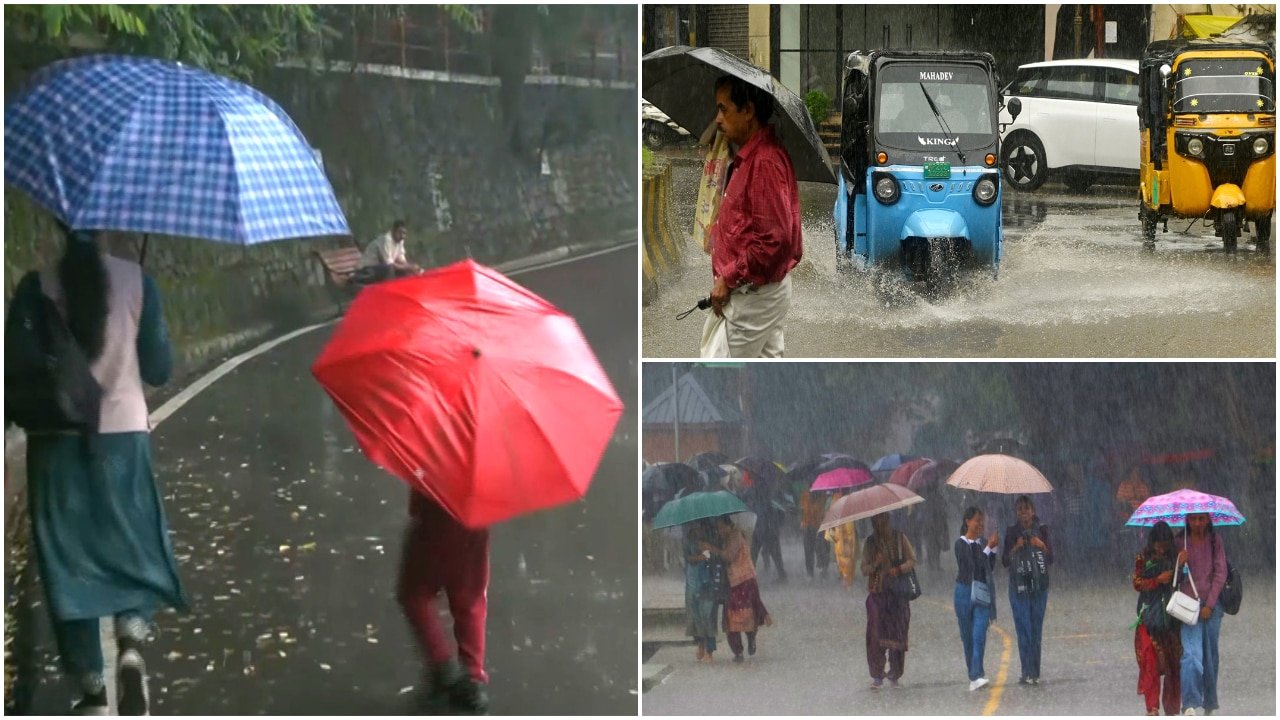
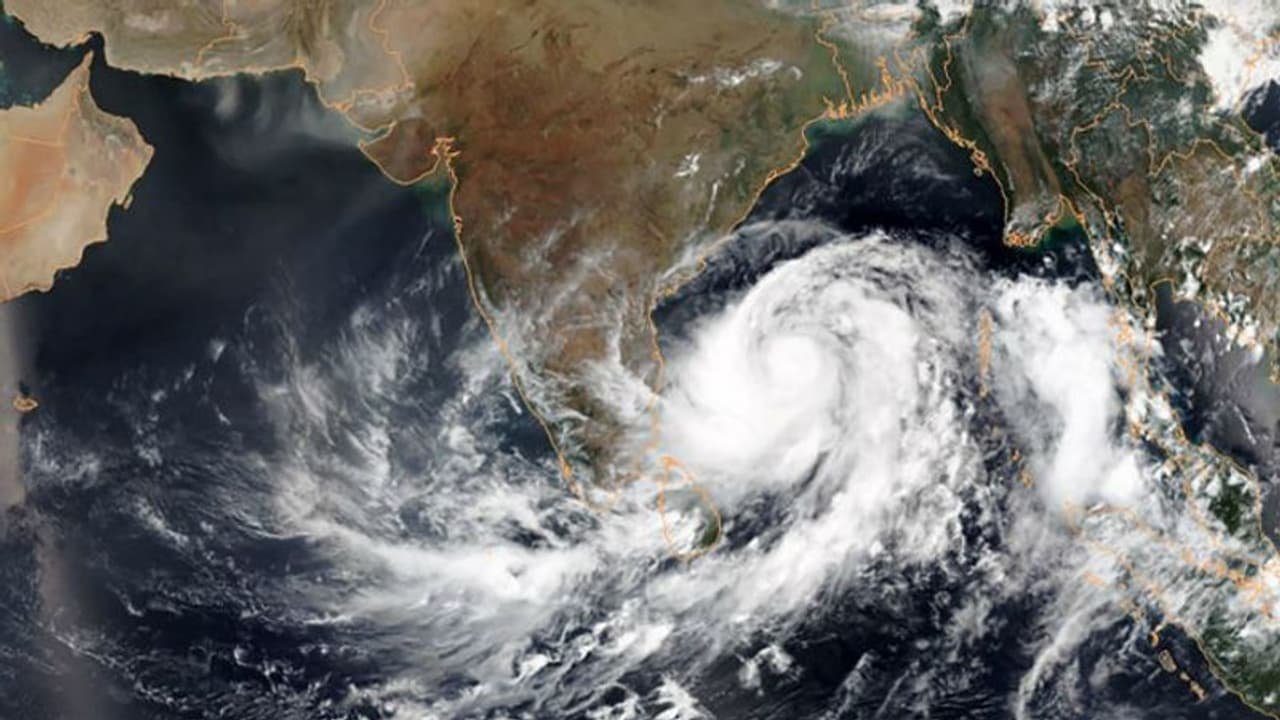
Agricultural operations across the Telugu states are facing significant disruption as an intensifying low-pressure system in the Bay of Bengal moves inland, bringing widespread and heavy rainfall to Andhra Pradesh and Telangana. Meteorological authorities have issued high-level alerts across multiple districts, warning of sustained precipitation that threatens to complicate ongoing seasonal farming activities and impact standing crops in low-lying areas.
The system, which gained significant momentum over the warm waters of the Bay, has shifted the regional weather pattern, leading to persistent overcast conditions and heavy downpours. The India Meteorological Department (IMD) has cautioned that the moisture-laden winds will continue to influence weather patterns, potentially leading to localized flooding and waterlogging in agricultural fields that have already reached high saturation levels.
Impact on Regional Agronomy and Crop Health
The current weather event arrives at a critical juncture for the regional cropping cycle. In many districts, farmers are managing mid-season crop growth, and the excessive moisture poses a multi-faceted risk to plant health. Agronomists note that prolonged periods of soil saturation can lead to root asphyxiation, particularly in sensitive crops that require well-drained soil profiles. Furthermore, the high humidity associated with this low-pressure system creates an ideal environment for the proliferation of fungal pathogens and bacterial blights.
For paddy cultivators, the primary concern is the potential for lodging—where the weight of the water, combined with gusty winds, causes stalks to fall over, significantly reducing yield quality and complicating mechanical harvesting. In cotton-growing tracts, excessive rainfall during the vegetative and flowering stages can lead to flower shedding and boll rot, directly impacting the final output. The continuous cloud cover also limits photosynthetic activity, which may result in stunted growth and delayed maturity across a variety of pulses and oilseeds.
Infrastructure Challenges and Field Management
Beyond the immediate biological impact on crops, the heavy rainfall is placing a strain on rural infrastructure. Access roads to remote farming communities are becoming increasingly difficult to navigate, hindering the movement of essential inputs like fertilizers and pesticides, as well as the transport of harvested produce to local mandis. Drainage management has become the top priority for field managers, as stagnant water increases the risk of soil nutrient leaching, particularly nitrogen, which is vital for vigorous crop development.
Local agricultural extension offices are working to disseminate guidance on field drainage techniques to mitigate the risk of crop loss. Farmers are being advised to ensure that field channels are clear of debris to facilitate rapid runoff. In areas where waterlogging is unavoidable, experts suggest that farmers prioritize the protection of high-value inputs and monitor their fields closely for the early signs of pest outbreaks, which often surge in the wake of heavy moisture events.
What This Means for Farmers
For the farming community in Andhra Pradesh and Telangana, this weather alert serves as a call for immediate vigilance. The economic consequences of this system could be significant if drainage and plant protection measures are not implemented promptly.
- Prioritize Drainage: Ensure that all irrigation channels and drainage outlets are unobstructed. Removing standing water from fields within 24 to 48 hours is critical to preventing permanent root damage.
- Monitor for Disease: High humidity and moisture are primary drivers of fungal infections. Farmers should scout their fields for symptoms of leaf spot, mildew, or rot and consult with local extension services regarding the timing of prophylactic fungicide applications once the rain subsides.
- Nutrient Management: Be aware that heavy rainfall can leach nitrogen and other mobile nutrients from the soil. Once the weather clears, a split application of fertilizers may be necessary to compensate for nutrient loss and support plant recovery.
- Operational Safety: Avoid field operations during the peak of the storm to prevent soil compaction, which occurs more easily in saturated conditions and can cause long-term damage to soil structure.
- Stay Informed: Continue to monitor local weather bulletins and agricultural advisories. Rapid changes in the low-pressure system's trajectory could necessitate adjustments to irrigation schedules and harvesting plans.
While rainfall is essential for the region's agricultural success, the intensity of this current system requires a proactive approach to risk management. By focusing on field drainage and early disease detection, farmers can better insulate their crops against the most severe impacts of this weather event.