Union Government Approves ₹2,117.85 Crore Relief Package for Monsoon-Hit States
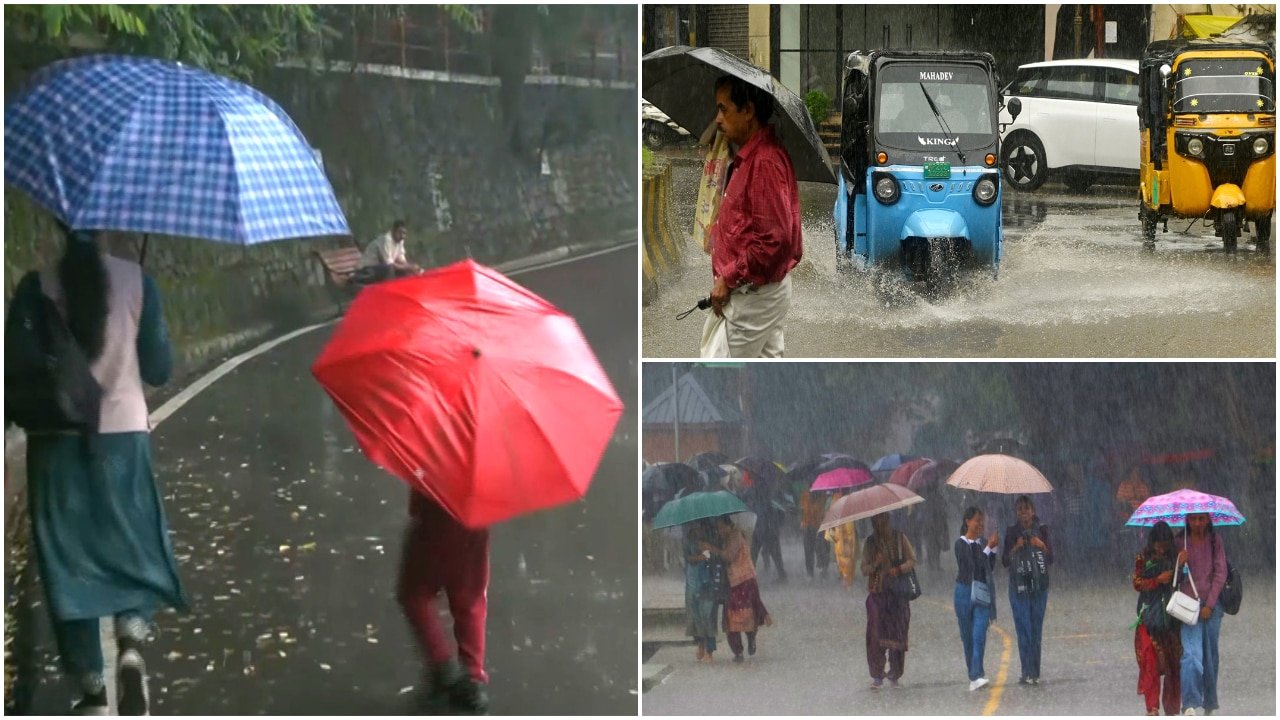
In a significant move to bolster disaster recovery efforts, Union Home Minister Amit Shah has officially approved the release of ₹2,117.85 crore in central assistance for seven states severely impacted by the 2026 southwest monsoon. This financial aid, sanctioned under the National Disaster Response Fund (NDRF), is intended to provide immediate relief to regions that faced unprecedented flooding, agricultural destruction, and infrastructure damage during the peak of the monsoon season.
The approval follows a series of high-level assessments conducted by the Ministry of Home Affairs, which evaluated the intensity of the floods across various states, including Assam and Gujarat. By addressing the fiscal burden on these state governments, the central administration aims to expedite the restoration of essential services and provide a safety net for rural communities whose livelihoods were disrupted by the extreme weather events.
Assessing the Scope of Monsoon Damage
The 2026 southwest monsoon presented significant challenges to agricultural stability, with prolonged heavy rainfall leading to widespread waterlogging and soil erosion. In states like Assam, the seasonal flooding of river basins caused substantial damage to standing crops and disrupted the supply chain logistics necessary for post-harvest operations. Similarly, Gujarat experienced localized but intense flooding, which affected both commercial farming and rural infrastructure, including irrigation canals and storage facilities.
The allocation of ₹2,117.85 crore is designed to supplement the State Disaster Response Funds (SDRF), which are often strained during prolonged climatic events. The funds are earmarked not only for immediate humanitarian relief but also for the repair of public utilities that are critical to agricultural operations. This includes the rehabilitation of rural roads, the clearing of drainage systems to prevent long-term waterlogging, and the restoration of power infrastructure that supports automated farm equipment and cold storage units.
Strategic Distribution and Accountability
The distribution of these funds is governed by established protocols that prioritize regions based on the severity of the damage reported by state-level disaster management authorities. The Union Government has emphasized that the utilization of this financial assistance must be transparent and strictly aligned with the guidelines established for the NDRF. This ensures that the capital reaches the most vulnerable sectors, particularly smallholder farmers who lack the financial reserves to absorb the shock of a complete crop loss.
Beyond immediate remediation, the government is focusing on the integration of climate-resilient farming practices. As extreme monsoon patterns become more frequent, the fiscal support provided by this package is seen as a bridge toward long-term adaptation. State governments are expected to work closely with agricultural extension services to ensure that the relief funds also support the replanting of resilient crop varieties and the strengthening of embankments in flood-prone districts.
What This Means for Farmers
For the farming community, the announcement of this relief package provides a necessary, albeit partial, buffer against the economic volatility caused by the 2026 monsoon. The practical impacts and considerations for farmers in the affected regions include:
- Input Cost Recovery: Farmers who suffered total crop failure should monitor their local agricultural department announcements regarding the disbursement of input subsidies. These funds are intended to help cover the costs of seeds, fertilizers, and labor for the upcoming planting season.
- Infrastructure Restoration: The focus on repairing rural infrastructure means that farmers should see improvements in access to markets and input suppliers. If your farm was isolated due to road damage, local authorities are now mandated to prioritize these repairs using the central allocation.
- Documentation is Critical: To ensure that individual losses are accounted for in the broader relief rollout, farmers are encouraged to maintain detailed records of crop damage, including photographic evidence and verified assessments from local agricultural officers.
- Insurance Claims: The government relief package is distinct from crop insurance payouts. Farmers should continue to pursue their claims under the Pradhan Mantri Fasal Bima Yojana (PMFBY) or other relevant schemes, as the NDRF funds are primarily focused on state-level infrastructure and disaster response rather than individual yield loss compensation.
- Adaptive Planning: Given the volatility of the monsoon, farmers should use this period of recovery to consult with local agronomists about diversifying crop cycles or investing in drainage improvements to mitigate the impact of future flooding events.
By streamlining the flow of capital to the state level, the central government intends to minimize the downtime in the agricultural sector, ensuring that farmers can return to productivity as quickly as possible while preparing for the challenges of the next harvest cycle.