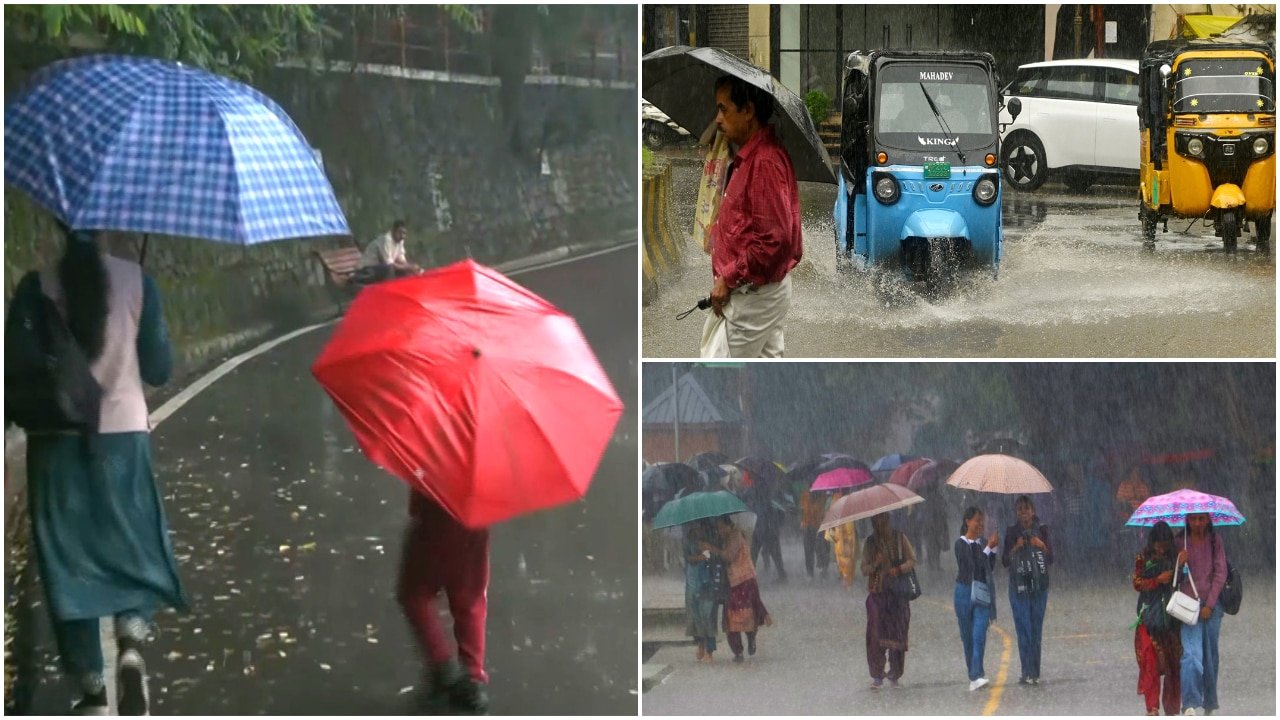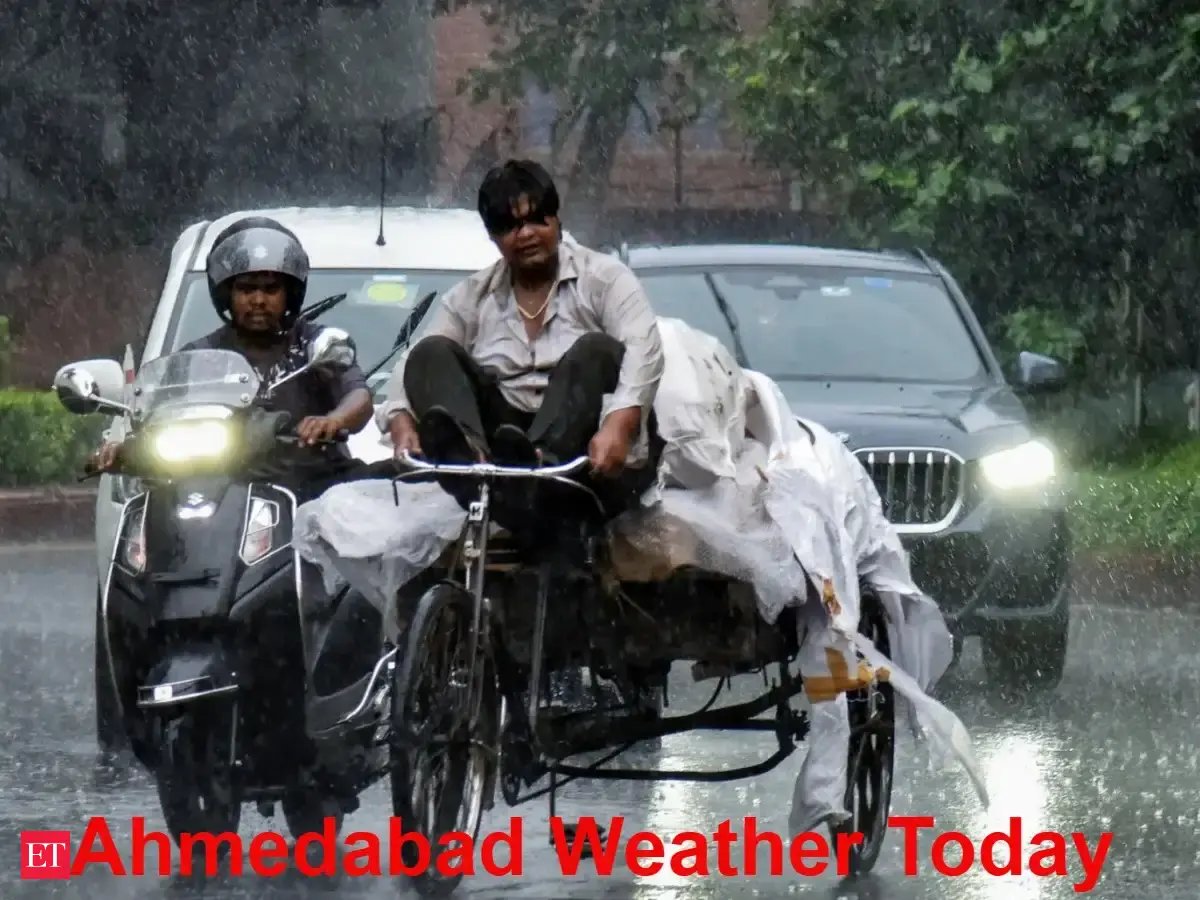
Regional Weather Update: Ahmedabad Braces for Unsettled Conditions as Northeast Gujarat Faces Heavy Rainfall Risk
The India Meteorological Department (IMD) has issued a fresh weather bulletin for Gujarat, signaling a period of atmospheric instability across the state. As of August 11, residents in Ahmedabad and surrounding districts are under a localized alert for light to moderate rainfall. While the city anticipates relief from recent dry spells, meteorological experts are focusing their attention on the northeastern corridors of the state, where more significant precipitation is expected to impact agricultural operations and local infrastructure.
For Ahmedabad, the forecast points toward intermittent thundershowers throughout the day. Beyond the rainfall itself, the IMD has flagged the potential for isolated lightning strikes and gusty winds reaching speeds of 30 to 40 kilometers per hour. These conditions, while common during the peak of the monsoon season, necessitate heightened caution for those working in open fields or transit routes, as sudden wind gusts can disrupt temporary structures and affect standing crops.
Heavy Rainfall Outlook for Northeast Gujarat
While Ahmedabad is experiencing moderate weather, the meteorological focus has shifted significantly toward the northeastern districts of Gujarat. The IMD has issued alerts for heavy to very heavy rainfall in specific regions, including Aravalli, Panchmahal, Dahod, Mahisagar, and Chhota Udepur. This weather pattern is attributed to a combination of moisture-laden winds from the Arabian Sea and a cyclonic circulation that is currently influencing the regional topography.
The intensity of the rain predicted for these districts poses a heightened risk of waterlogging in low-lying areas and may lead to a temporary increase in water levels for local drainage systems. Agricultural scientists note that while these regions often rely on monsoon rains to recharge groundwater levels, the concentration of heavy rainfall within a short window can be detrimental to soil health. The primary concerns during such events include topsoil erosion, nutrient leaching, and the potential for fungal diseases in crops that are sensitive to prolonged water saturation.
Managing Agricultural Risks During Monsoon Volatility
The current weather advisory highlights the inherent unpredictability of the late monsoon phase. For farmers, the transition between light showers and high-intensity storm events requires a proactive approach to farm management. In areas anticipating gusty winds and heavy precipitation, the security of infrastructure—such as greenhouses, shade nets, and irrigation equipment—becomes a priority. Furthermore, the threat of lightning and sudden wind shear serves as a critical safety reminder for field workers, who are advised to avoid seeking shelter under isolated trees or near metallic equipment during peak storm hours.
What This Means for Farmers
The latest weather update carries several critical implications for the farming community across the affected regions:
- Crop Protection: In districts expecting heavy to very heavy rain, farmers should prioritize field drainage. Ensuring that water can exit the fields efficiently prevents waterlogging, which is a leading cause of root rot and crop failure during the monsoon.
- Input Management: Avoid the application of fertilizers or pesticides immediately before or during heavy rain forecasts. Rainfall can cause significant runoff, leading to the loss of expensive inputs and potential contamination of local water sources.
- Livestock Safety: Ensure that livestock are housed in secure, well-ventilated structures that are protected from direct exposure to gusty winds and lightning. Check that roof integrity is maintained to prevent leaks that could lead to cold stress in younger animals.
- Soil Health Monitoring: Heavy rainfall can lead to the leaching of essential nitrogen and other mobile nutrients. Farmers should plan for post-rain soil testing or consider split-application of fertilizers once the soil moisture levels stabilize, ensuring that plants receive adequate nutrition after the leaching event.
- Stay Informed: Weather conditions during the monsoon can shift rapidly. Farmers are encouraged to monitor local IMD updates and regional agricultural extension services to receive real-time warnings, which can inform critical decisions regarding harvesting schedules or field operations.
As the monsoon season progresses, the ability to adapt to these localized weather alerts remains a cornerstone of successful crop management. By balancing the need for soil moisture with the risks posed by sudden, intense weather, producers can better protect their yields against the volatility of the current season.