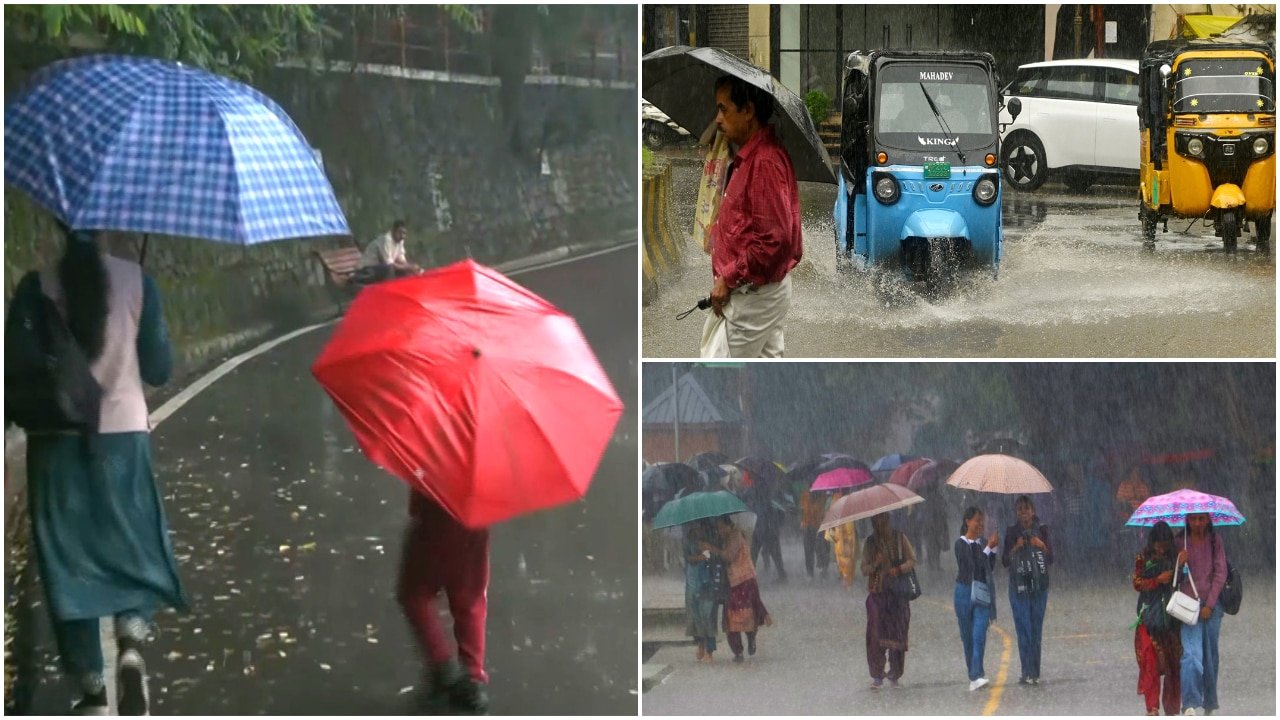
Monsoon Stalls: Rainfall Deficit Widens as Dry Spell Threatens Agricultural Momentum
The highly anticipated recovery of the Indian monsoon has hit a sudden roadblock, with the nationwide rainfall deficit widening to 18 percent as of Sunday. After a brief, week-long period of vigorous showers that provided a much-needed boost to soil moisture levels and reservoir storage, the seasonal rainfall cycle has entered a subdued phase. Meteorological models now indicate that this dry spell is likely to persist over several critical agricultural regions for the coming week, raising fresh concerns among policymakers and the farming community alike.
The volatility of this year’s monsoon cycle has become a primary point of concern, as the erratic distribution of rainfall disrupts the traditional sowing schedule. While early July saw a promising uptick in precipitation, the current stagnation has stalled the momentum of the kharif season. With the window for optimal planting narrowing, the return of dry conditions poses a significant threat to crop establishment and the overall health of the country’s agricultural output.
Regional Disparities and the Growing Deficit
The impact of the current dry phase is not distributed uniformly across the country. According to the latest data, at least fifteen states are currently grappling with rainfall deficits of 20 percent or more. This cluster of drought-prone regions spans a diverse geographic range, affecting states that are essential to the nation's cereal, pulse, and oilseed production. In these areas, the soil moisture profile—already depleted by the initial weak start to the season—is failing to recover, leading to a precarious situation for farmers who have already committed to initial sowing.
Meteorological experts attribute this lull to the movement of the monsoon trough, which has shifted northward, effectively starving the central and southern peninsular regions of moisture-laden winds. For the next seven to ten days, the forecast remains bleak, with little expectation of widespread rainfall. As moisture levels continue to drop in the topsoil, the risk of moisture stress in early-sown crops is increasing. If this dry spell extends beyond the predicted window, it could trigger a localized agricultural crisis, forcing farmers to consider replanting or switching to shorter-duration crop varieties to salvage the season.
Stalled Sowing and Market Implications
The agricultural sector relies on the continuity of the monsoon to transition from the land-preparation phase to the active vegetative growth stage. The current break in the rains has forced a pause in sowing activities in several key districts. Fields that were prepared for rice, pulses, and oilseeds remain unseeded as farmers wait for consistent moisture to ensure germination. This delay not only threatens the total acreage under cultivation but also complicates the input supply chain, as demand for seeds and fertilizers fluctuates wildly in response to the unpredictable weather.
Market analysts are closely monitoring the situation, as any significant decline in kharif production could exert upward pressure on commodity prices. The agricultural economy is particularly sensitive to these mid-season dry spells, as the lack of consistent rain can reduce the potential yield even if the monsoon recovers in late August or September. The dual pressure of reduced sowing area and potential yield loss presents a significant challenge for rural income stability.
What This Means for Farmers
The current meteorological trend necessitates a cautious and strategic approach from farmers to mitigate potential losses. Given the forecast of continued dry conditions, agricultural experts recommend the following actions:
- Prioritize Moisture Conservation: In areas where sowing has already occurred, farmers should focus on moisture-conserving practices, such as mulching or the application of light irrigation if available, to protect young seedlings from heat stress.
- Adjust Sowing Strategies: For farmers who have yet to complete their sowing, it is advisable to consult local agricultural extension offices regarding the feasibility of switching to drought-tolerant or shorter-duration crop varieties that can better withstand the delayed start.
- Monitor Pest and Disease Outbreaks: Dry spells followed by sudden humidity can create favorable conditions for specific pests. Regular field surveillance is essential to detect early infestations before they reach economic damage thresholds.
- Financial Planning: Farmers should maintain close contact with local agricultural cooperatives and credit institutions. Given the uncertainty, having a clear understanding of crop insurance coverage and disaster relief protocols is vital for long-term financial resilience.
- Water Management: If local water resources are available, prioritize the preservation of standing crops over the expansion of new planting areas to ensure that the existing investment in the current season is protected.