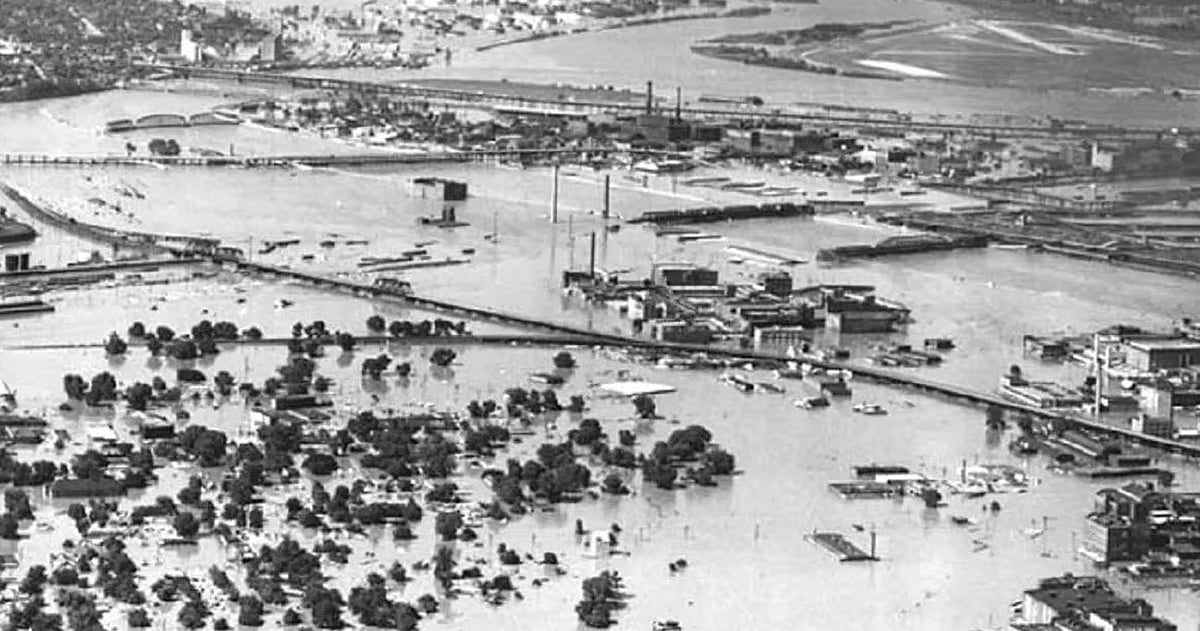
The Day the Macchu River Broke: Reflecting on the Morvi Dam Disaster
On August 11, 1979, the town of Morvi in the Saurashtra region of Gujarat, India, became the site of one of the most devastating civil engineering failures in modern history. The collapse of the Macchu-II dam, triggered by unprecedented monsoon rainfall, unleashed a wall of water that swept through the heart of the town, leaving a trail of destruction that fundamentally altered the landscape of the region. Decades later, the tragedy remains a somber case study in the vulnerability of rural infrastructure and the critical importance of dam safety management.
The disaster began after days of relentless precipitation in the catchment area of the Macchu River. As the reservoir reached critical capacity, the earthen embankments—which lacked the structural integrity to withstand the surge—suffered a catastrophic breach. Within minutes, the stored volume of the reservoir was discharged downstream, catching the residents of Morvi entirely off guard. For the agrarian communities along the riverbanks, the event was not merely a loss of homes and infrastructure, but a total annihilation of the seasonal cycle of productivity that sustained the local economy.
Engineering Vulnerabilities and Environmental Realities
The failure of the Macchu-II dam highlighted significant flaws in the design and construction philosophies of the era. Technical post-mortems conducted in the wake of the disaster pointed toward a combination of inadequate spillway capacity and the limitations of earthen dam construction in areas prone to extreme meteorological events. While the dam was intended to provide irrigation security for local farmers and bolster agricultural output, the lack of sufficient flood-routing mechanisms rendered it a liability rather than an asset during the peak of the monsoon.
The environmental impact was equally profound. The surge of water deposited massive quantities of silt and debris across fertile agricultural plains, burying standing crops and stripping topsoil. The infrastructure—including irrigation canals, storage facilities, and rural access roads—was decimated, effectively severing the supply chains that linked Morvi’s farmers to regional markets. The disaster underscored a hard truth: when infrastructure intended to manage water fails, the impact is disproportionately borne by those who rely most heavily on the land for their livelihoods.
The Long Road to Recovery and Institutional Change
In the years following the 1979 disaster, the reconstruction of Morvi became a testament to community resilience. However, the tragedy also served as a catalyst for a national shift in how India approaches large-scale water management projects. It forced a re-evaluation of hydraulic design standards and the implementation of more rigorous surveillance protocols for existing dams across the country. The lessons learned from the Macchu-II breach are now integrated into modern dam safety acts, which prioritize preventative maintenance, real-time hydrological monitoring, and the establishment of robust emergency action plans.
For the survivors, the disaster is a lingering memory of the fragility of human settlement in the face of nature’s fury. While the dam was eventually reconstructed with modern safety features, the cultural memory of that August day persists as a reminder of the need for oversight, transparency in engineering, and the necessity of community-level disaster preparedness.
What This Means for Farmers
For modern agricultural producers and stakeholders in rural regions, the Morvi disaster serves as a vital reminder of the interconnectedness between large-scale infrastructure and farm-level stability. The economic consequences for farmers in the wake of such a disaster are long-term, ranging from the loss of soil fertility due to sediment contamination to the years required to restore irrigation infrastructure.
Actionable advice for today’s agricultural communities includes:
- Advocating for Transparency: Farmers should actively engage with local water management authorities to understand the safety status and maintenance records of dams and reservoirs in their catchment areas.
- Diversification of Risk: Relying solely on a single source of irrigation—particularly one dependent on a large-scale earthen structure—carries inherent risk. Investing in on-farm water harvesting, such as farm ponds or check dams, can provide a buffer during catastrophic system failures.
- Participatory Monitoring: Join local water-user associations. Being part of the decision-making process allows farmers to contribute to the management of local water resources and stay informed about potential risks during extreme weather events.
- Emergency Preparedness: Every farm operation should have a disaster response plan that includes the movement of livestock, protection of essential machinery, and the safeguarding of critical inputs like seeds and fertilizers, especially during the monsoon season.
Ultimately, the disaster at Morvi underscores that for the agricultural sector, safety is not just a regulatory concern but a fundamental component of economic security. Ensuring the integrity of the water infrastructure that sustains the land is a responsibility shared by policymakers, engineers, and the farming community alike.