Gujarat Mobilizes Massive Relief Effort Following Devastating South Gujarat Floods
In the wake of the severe flooding that recently submerged vast swathes of South Gujarat, the state government has launched a high-priority, war-footing relief and restoration campaign. Under the direct supervision of Chief Minister Bhupendra Patel, the administration is moving beyond immediate rescue operations to focus on comprehensive long-term rehabilitation. The initiative, colloquially referred to as the “KhoobSurat” (Beautiful) resilience drive, seeks to not only restore essential infrastructure but to systematically rebuild the livelihoods of farming communities and rural households shattered by the inundation.
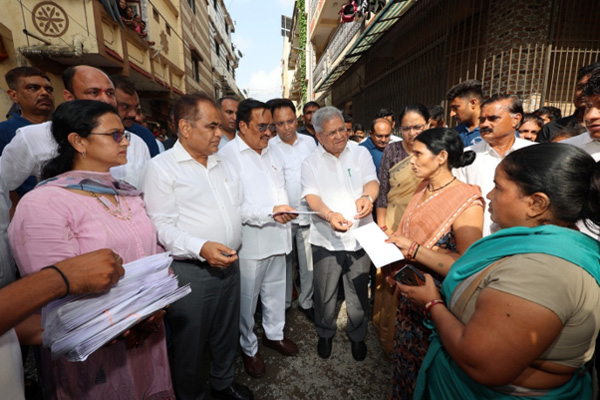
The relief mission is being spearheaded by a high-level ministerial team, including Union Minister C.R. Paatil, Deputy Chief Minister Harsh Sanghavi, and Finance Minister Kanubhai Desai. By maintaining a constant presence on the ground, these officials are coordinating a multi-departmental response that prioritizes the rapid disbursement of aid to the most vulnerable populations. With the floodwaters receding, the focus has shifted toward the restoration of connectivity, sanitation, and the provision of essential services to prevent the secondary crisis of disease outbreaks, which often follows major hydrological events.
Infrastructure Restoration and Public Health Priorities
The immediate aftermath of the flooding left significant damage to rural infrastructure, including secondary road networks, irrigation channels, and power distribution systems. The state government has mobilized specialized task forces to conduct rapid damage assessments, with a particular focus on restoring electricity and potable water supplies. For agricultural regions, the integrity of irrigation infrastructure is paramount; the government has committed to clearing debris and repairing breaches in canal systems to ensure that upcoming cropping cycles are not further delayed.
Beyond physical infrastructure, the administration is emphasizing a robust public health strategy. Health services have been decentralized, with mobile medical units dispatched to remote villages to monitor for waterborne diseases and provide essential care to those displaced by the rising waters. Deputy Chief Minister Harsh Sanghavi noted that the integration of sanitation efforts with health services is vital to stabilizing the region. By ensuring that clean drinking water is restored and waste management protocols are strictly followed in the aftermath, the government aims to mitigate the long-term health risks posed to the rural populace.
Financial Assistance and Economic Stabilization
A critical component of the rehabilitation package is the direct financial intervention aimed at household recovery. Finance Minister Kanubhai Desai has confirmed that the state is streamlining the disbursement of cash assistance to help families replace lost household items and address immediate domestic needs. This financial aid serves as a vital bridge, allowing families to transition from emergency shelter back into their homes, while the state government prepares a comprehensive compensation framework for broader agricultural losses.
The government’s approach is rooted in the principle of transparency and rapid response. By decentralizing the claims process, authorities intend to reduce the administrative burden on farmers, ensuring that relief reaches the grassroots level without unnecessary delay. This economic injection is expected to stimulate local demand and help stabilize rural markets that have been disrupted by the logistical paralysis caused by the flooding.
What This Means for Farmers
For the farming community, the current situation represents a critical period of recovery that requires both patience and proactive engagement with local agricultural departments. Farmers should note the following practical impacts and steps to take:
- Document Losses Thoroughly: While the government is conducting its own assessments, farmers are advised to maintain detailed records, including photographs of crop damage, destroyed input stores, and damaged machinery. This documentation will be essential when filing for formal compensation under state crop insurance schemes.
- Prioritize Soil Health Post-Flood: Floodwaters often deposit silt and debris while stripping away topsoil. Once the land is accessible, farmers should consult with local agricultural extension officers regarding soil testing. Identifying changes in soil pH and nutrient composition will be vital for planning successful replanting strategies.
- Utilize Government Help Desks: The state’s relief drive includes localized help desks. Farmers are encouraged to register their losses immediately to ensure they are captured in the ongoing, government-led survey. Engaging with these units is the most efficient way to access emergency cash assistance and potential subsidies for seeds and fertilizers.
- Focus on Disease Management: Standing water and high humidity create ideal conditions for fungal pathogens and pests. Farmers should monitor their fields closely for early signs of crop diseases and coordinate with local agricultural authorities to source necessary fungicides or pest-control inputs made available through the relief effort.
As Gujarat moves forward, the resilience shown by the rural sector remains the cornerstone of the state's recovery. By aligning individual farm-level efforts with the government’s systemic restoration programs, the agricultural community can effectively navigate this period of hardship and set the stage for a productive future season.