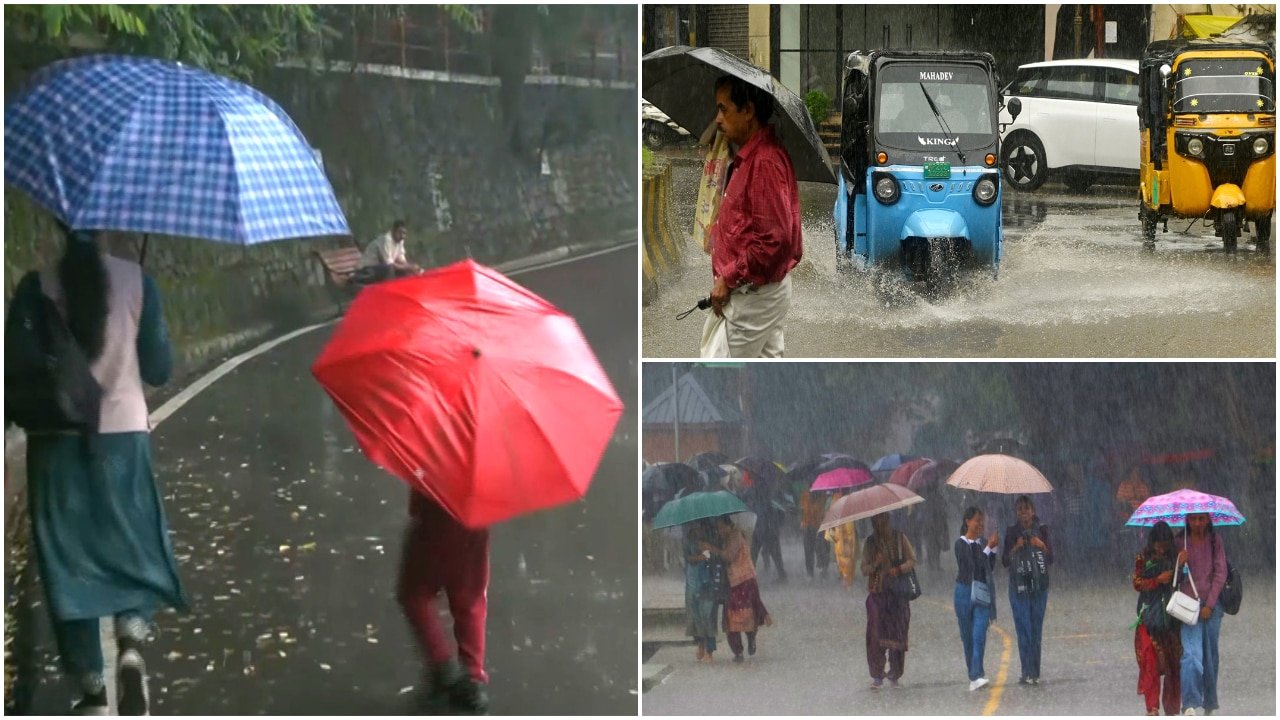
Monsoon Intensification Triggers High Alert Across North and Northeast India
The Indian Meteorological Department (IMD) has issued a heightened state of alert as the southwest monsoon enters a phase of peak intensity. Following a period of fluctuating precipitation, the monsoon trough has shifted, bringing widespread and heavy rainfall to the northern plains and the northeastern states. From the national capital of Delhi across the fertile agricultural belts of Uttar Pradesh and Bihar, weather conditions have deteriorated, characterized by intense downpours and accompanying thunderstorm activity. Meteorologists suggest that this surge is driven by a favorable alignment of atmospheric pressure systems, which is currently facilitating moisture-laden winds across the region.
Synoptic Analysis of the Current Weather Pattern
The latest data from the IMD indicates that the monsoon has firmly established its presence, moving at an accelerated pace across both the Himalayan foothills and the Indo-Gangetic plains. This rapid advancement is not limited to localized showers; rather, it represents a broad, systemic weather event. The influx of moisture from the Bay of Bengal, coupled with the active monsoon trough, has created an environment conducive to sustained heavy rainfall.
In North India, the combination of high humidity and heat accumulation has led to the development of localized thunderstorm cells. These storms are expected to bring not only heavy rain but also gusty winds and lightning, posing a risk to both infrastructure and standing crops. In the northeastern states, the intensity of the rainfall is expected to remain high, exacerbating concerns regarding water management in river basins and potential soil erosion in highland regions. The IMD’s current forecast indicates that this active phase is likely to persist over the coming days, necessitating a proactive approach to disaster management and agricultural planning.
Regional Impact and Meteorological Forecast
The geographical reach of this weather system is significant. In Delhi and surrounding suburban areas, the sudden onset of heavy rain has already impacted urban mobility and drainage systems. However, the concern is more acute for the agricultural heartlands of Uttar Pradesh and Bihar. These states, which rely heavily on the monsoon for their Kharif crop production, are currently witnessing varying degrees of precipitation. While the rains are essential for replenishing groundwater levels and supporting paddy transplantation, the intensity of the forecast raises concerns about potential waterlogging in low-lying fields.
The IMD has emphasized that the storm alerts are particularly relevant for regions where the soil is already saturated. Heavy rainfall on saturated ground significantly increases the risk of runoff, which can wash away topsoil and nutrients essential for crop development. Farmers are being advised to monitor local weather bulletins closely, as the rapid movement of the monsoon trough means that conditions can change within a matter of hours.
What This Means for Farmers
For the agricultural community, the current monsoon surge presents both an opportunity and a critical management challenge. The primary focus for farmers in the affected regions should be centered on water management and crop protection:
- Drainage Management: Ensure that field drainage channels are clear of debris. Effective water runoff is vital to prevent root rot and the suffocation of young paddy seedlings, which are highly sensitive to prolonged waterlogging.
- Nutrient Retention: Heavy, sustained rainfall can lead to the leaching of nitrogen-based fertilizers. Farmers may need to adjust their top-dressing schedules, delaying the application of fertilizers until the peak of the storm passes to ensure that nutrients remain available to the crop rather than being washed away.
- Crop Protection: High-velocity winds and thunderstorm activity can cause physical damage to taller crops. Where possible, monitor for signs of lodging and ensure that field boundaries are reinforced to prevent soil erosion.
- Disease Prevention: The combination of high humidity and persistent rain creates an ideal environment for fungal and bacterial pathogens. Once the weather clears, farmers should be prepared to scout for early signs of blight or fungal leaf spots and consult with local agricultural extension offices regarding appropriate fungicide applications.
- Strategic Planning: Utilize the moisture provided by these rains for ongoing transplantation activities, but remain cautious about sowing sensitive seeds during periods of extreme heavy rainfall, as this can lead to poor germination rates.
Ultimately, while this monsoon surge is a crucial component of the seasonal rainfall cycle, the intensity of the IMD alerts serves as a reminder that proactive field management is the best defense against extreme weather volatility. Farmers are encouraged to stay connected to regional meteorological updates and local agricultural advisory services to make informed decisions throughout this active monsoon period.