The Dawn of Green Transit: India’s Hydrogen Rail Revolution
India is officially moving toward a greener future for its expansive rail network, marking a significant milestone in sustainable transportation with the introduction of the country’s first hydrogen-powered train. This technological leap represents more than just an engineering feat; it serves as a critical signal for the industrial shift toward decarbonizing heavy transport. By utilizing hydrogen fuel cells, these trains emit only water vapor, effectively eliminating the carbon footprint associated with traditional diesel-powered locomotives that currently dominate non-electrified routes.
The transition to hydrogen is particularly significant for India’s rugged and remote landscapes, where traditional electrification infrastructure remains challenging to install. As the nation pushes to meet its ambitious net-zero targets, the deployment of hydrogen-powered rolling stock is expected to provide a blueprint for high-efficiency, low-emission travel. Experts suggest that this shift will not only reduce dependence on fossil fuel imports but also catalyze a new domestic manufacturing ecosystem centered on green hydrogen production and fuel cell technology.
Navigating the Monsoon: IMD Advisories and Himalayan Travel
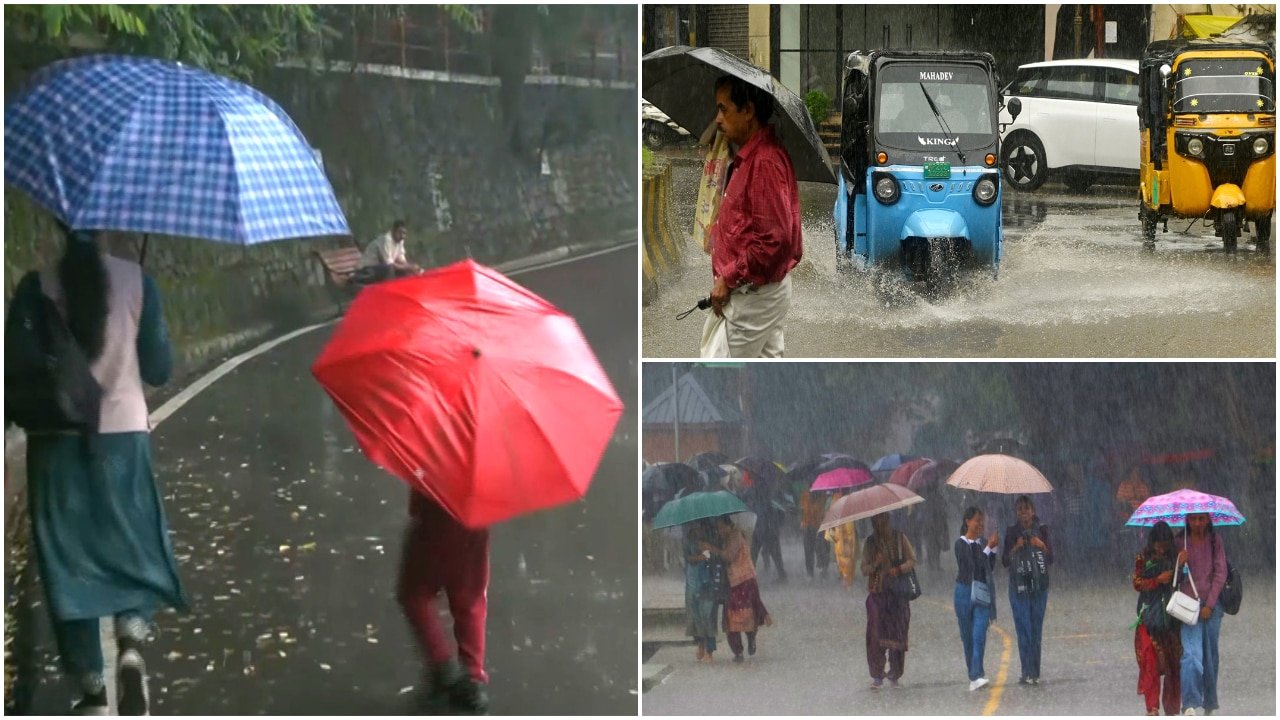
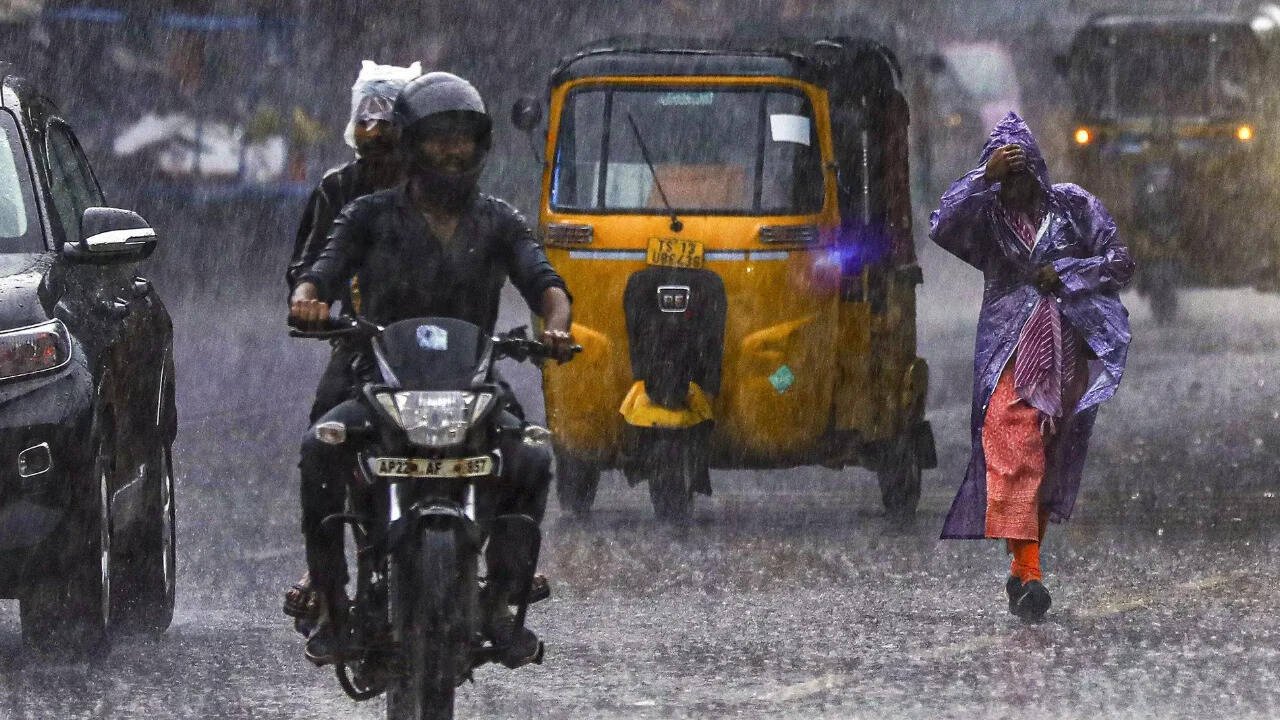
As the monsoon season intensifies, the India Meteorological Department (IMD) has issued updated advisories concerning travel in the western Himalayas. The region, often sought after for its scenic beauty during the rains, is currently under close observation due to the heightened risk of landslides, flash floods, and cloudbursts. The IMD’s latest forecasts emphasize the volatility of weather patterns in high-altitude zones, where localized intense rainfall can rapidly destabilize terrain.
For those planning journeys into the hills, the IMD underscores the importance of monitoring real-time updates and adhering to local administrative warnings. The monsoon, while bringing much-needed moisture to the mountain ecosystems, transforms the landscape into a challenging environment for commuters and tourists alike. Authorities are urging travelers to avoid non-essential trips to vulnerable areas and to prioritize safety over itinerary, as the dynamic nature of Himalayan weather often leads to sudden road closures and infrastructure disruptions.
Holistic Wellness and the Modern Lifestyle
Beyond infrastructure and travel, the current discourse in public health is shifting toward broader lifestyle factors that influence long-term well-being. Recent medical reports have highlighted a concerning trend: an increase in lung cancer diagnoses among non-smokers. This shift has prompted researchers to investigate environmental pollutants, indoor air quality, and genetic predispositions more closely. Concurrently, new findings in gerontology suggest that consistent engagement with cultural outings—such as visiting museums, attending theaters, or participating in community arts—plays a vital role in healthy aging. These activities are shown to improve cognitive resilience and emotional stability, proving that societal interaction is as essential to longevity as physical nutrition.
What This Means for Farmers
While the transition to hydrogen rail and monsoon travel advisories may seem removed from daily farm operations, these developments hold significant implications for the agricultural sector. The shift toward hydrogen energy is a precursor to a broader "green energy" economy that could eventually offer farmers new opportunities in decentralized energy production and carbon credit markets. As hydrogen technology matures, the demand for green energy infrastructure will likely expand into rural areas, potentially providing farmers with additional revenue streams through land leasing or biomass supply chains.
Furthermore, the IMD’s increased focus on precision forecasting for the Himalayan region is a positive signal for the broader agricultural community. Enhanced meteorological monitoring improves the accuracy of monsoon onset and distribution data, which is the lifeblood of Indian agriculture. For farmers, this means more reliable data for crop planning, irrigation management, and harvest timing.
Finally, the growing emphasis on holistic health and environmental quality underscores the increasing consumer demand for clean, sustainably grown produce. As awareness regarding environmental health and non-smoking-related respiratory issues rises, urban populations are becoming more discerning about the chemical inputs and environmental footprints of their food sources. Farmers who adopt regenerative practices and emphasize transparency in their supply chains are likely to find a growing, premium market among health-conscious consumers who view food as a critical component of their overall wellness strategy.