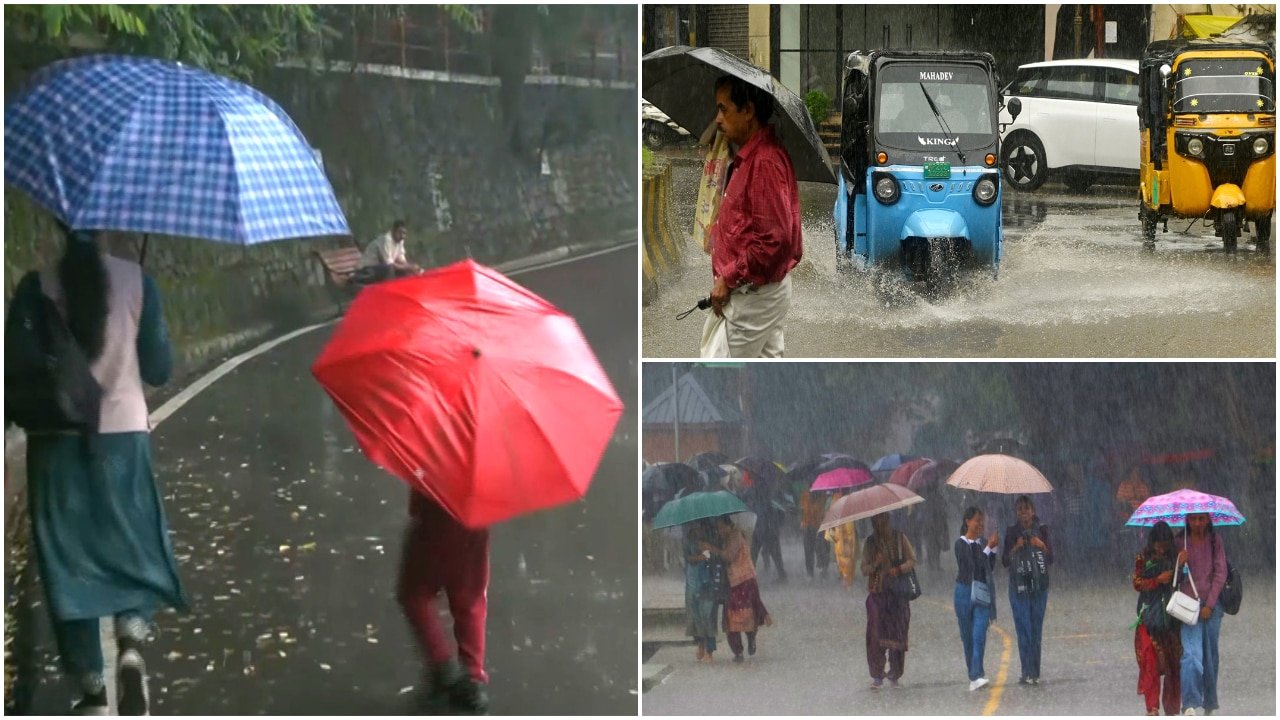
Erratic Monsoon Patterns Trigger Dual Weather Alert Across India
The India Meteorological Department (IMD) has issued a complex weather advisory as the nation grapples with a stark divide in meteorological conditions. While the southwest monsoon remains robust over the Himalayan belt, eastern regions, and the Northeast, a significant portion of the country is bracing for a period of dry, sweltering heat. This divergence in weather patterns poses a unique challenge for the agricultural sector, as farmers across different agro-climatic zones must adjust their field operations to mitigate risks ranging from flood damage to heat stress.
Monsoon Activity Concentrated in Himalayan and Eastern Belts
The monsoon trough is currently positioned in a manner that favors heavy to very heavy rainfall across the Himalayan foothills and the northeastern states. States including West Bengal, Assam, and Uttarakhand are expected to remain under a high-alert status for the next several days. The persistent moisture influx from the Bay of Bengal is fueling intense thunderstorm activity, which carries the dual risk of flash flooding in low-lying areas and soil erosion in the hilly terrains.
For these regions, the primary concern is the potential for waterlogging in standing crops. Agronomists emphasize that while monsoon rain is essential for the kharif season, excessive downpours during the vegetative growth phase can lead to nutrient leaching and an increased incidence of fungal diseases. Farmers in these zones are advised to ensure robust drainage systems are functional to prevent root rot in sensitive crops.
Heatwave Conditions Persist in the Plains and Southern Peninsula
Contrasting sharply with the deluge in the East and North, large swathes of northwest, west-central, and southern Peninsular India are experiencing a period of subdued rainfall. The IMD has indicated that this dry spell is likely to persist for the next six to seven days, with several regions under a heatwave warning. Major urban hubs, including Delhi, Noida, and Gurugram, are expected to see elevated temperatures, while the southern peninsula faces a significant rainfall deficit during this critical window.
This heat stress, coupled with a lack of precipitation, creates an unfavorable environment for moisture-sensitive crops. The lack of cloud cover increases evapotranspiration rates, effectively drying out the topsoil and placing immense pressure on irrigation resources. In regions where monsoon sowing has already commenced, the sudden shift to dry heat can lead to poor germination rates and stunted early-stage growth.
What This Means for Farmers
The current weather divergence demands a highly localized and tactical approach to farm management. Farmers should prioritize the following actions to protect their yields:
- Irrigation Management: In the heatwave-affected plains and southern regions, farmers should optimize irrigation schedules to occur during the cooler morning or evening hours to minimize water loss through evaporation. Mulching techniques should be employed where possible to retain soil moisture.
- Drainage and Flood Preparedness: In the flood-prone Northeast and Himalayan regions, checking and clearing field channels is imperative. If heavy rains persist, farmers should avoid the application of chemical fertilizers, as they are likely to be washed away, leading to both economic loss and environmental runoff.
- Monitoring for Pests and Diseases: Fluctuating humidity levels—ranging from extreme moisture in the East to arid conditions in the North—create breeding grounds for various pests. Increased scouting for migratory pests and fungal infections is essential over the next week.
- Contingency Planning: For those in regions currently facing a rainfall deficit, it is advisable to consult local Krishi Vigyan Kendras (KVKs) regarding short-duration, drought-tolerant crop varieties or alternative planting schedules if the monsoon delay extends beyond the projected seven-day window.
Ultimately, the current meteorological forecast serves as a reminder of the increasing volatility in seasonal patterns. Staying updated with daily district-level IMD bulletins is no longer just a recommendation; it is a critical component of modern risk management for the Indian farming community.