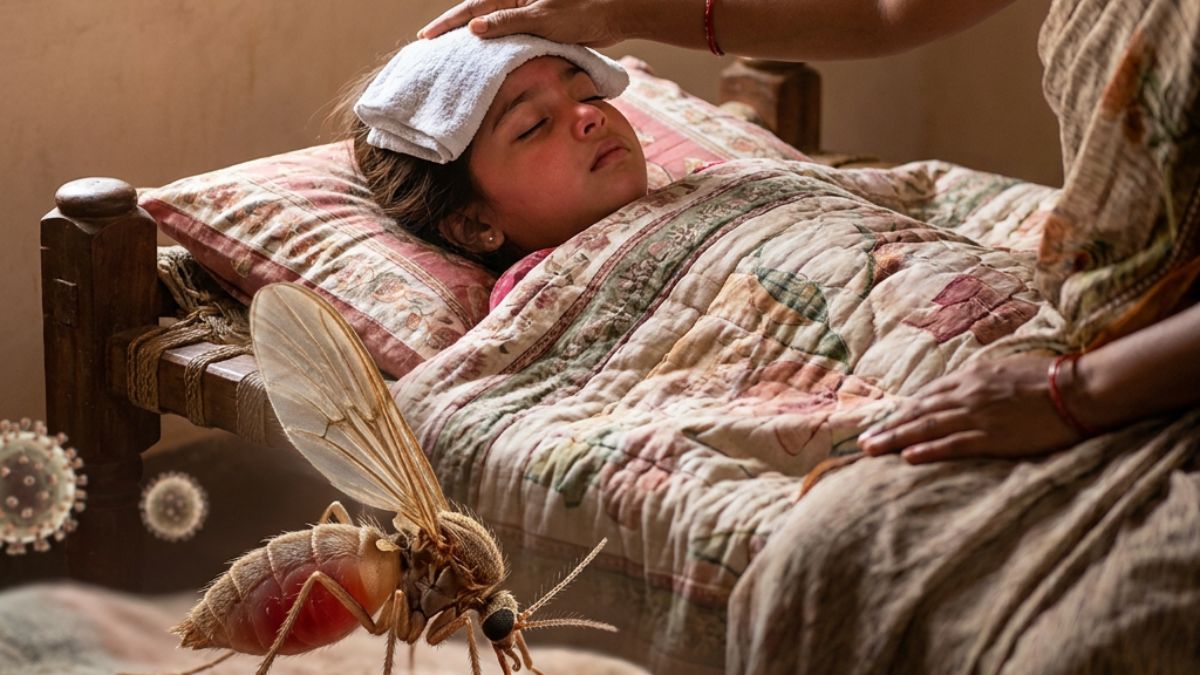
Public Health Alert: Gujarat Responds to Chandipura Virus Outbreak
The state of Gujarat is currently navigating a significant public health challenge as health authorities issue an urgent advisory following a localized outbreak of the Chandipura virus (CHPV). With 22 reported child deaths linked to the viral infection, the state government has mobilized resources to contain the spread and provide intensive clinical support to those currently symptomatic. According to recent statements from health officials, the state has recorded 184 suspected cases, with 35 individuals confirmed as positive for the virus through laboratory testing. As medical teams work to stabilize the seven children currently under hospital care, the situation has prompted a broader investigation into vector control and public awareness measures.
Understanding the Chandipura Virus: Transmission and Pathology
The Chandipura virus is a member of the Rhabdoviridae family, the same viral family that includes rabies. It is primarily an arbovirus, meaning it is transmitted to humans through the bites of infected vectors—most notably sandflies, mosquitoes, and certain species of ticks. The virus predominantly affects the central nervous system, leading to rapid-onset encephalitis, or inflammation of the brain.
Clinical presentation typically begins with a sudden high fever, followed by neurological symptoms including convulsions, altered consciousness, and, in severe cases, coma. Because the virus progresses with alarming speed, early detection is critical. The current outbreak has disproportionately affected pediatric populations, a pattern consistent with historical data regarding this specific pathogen. Medical experts emphasize that there is currently no specific antiviral treatment or vaccine available for CHPV, meaning that management focuses entirely on supportive care, such as fluid resuscitation and the administration of anticonvulsants to manage symptoms.
Environmental Factors and Vector Proliferation
The resurgence of the Chandipura virus is often linked to shifts in environmental conditions that favor the breeding of its primary vectors. Sandflies, which are the primary carriers, thrive in specific micro-climates often found in rural and semi-urban agricultural settlements. These insects typically breed in moist soil, crevices in mud walls, and areas where livestock are housed in close proximity to human dwellings.
Agricultural practices play an indirect but significant role in the lifecycle of these vectors. High humidity, heavy monsoon rains, and poor sanitation in rural homesteads can lead to an explosion in vector populations. When livestock sheds are not properly managed, the accumulation of organic matter provides an ideal habitat for sandfly larvae. The current advisory issued by the Gujarat health department stresses the importance of environmental sanitation, including the regular cleaning of animal enclosures and the use of protective measures to prevent vector-human contact, particularly during the twilight hours when these insects are most active.
What This Means for Farmers
For the farming community, the Chandipura virus outbreak serves as a stark reminder of the intersection between animal husbandry, environmental hygiene, and human health. Farmers should take proactive steps to mitigate the risk of vector proliferation on their properties.
- Sanitation of Livestock Quarters: Ensure that cattle sheds and other animal enclosures are kept clean, dry, and well-ventilated. Regularly remove stagnant water and piles of organic waste where sandflies and mosquitoes are likely to breed.
- Housing Improvements: Where possible, seal cracks in mud or brick walls, as these serve as hiding spots for vectors. Applying lime or whitewash to walls can help reduce the suitability of these surfaces for insects.
- Personal Protection: Encourage families to use mosquito nets, particularly for children, during sleep. Wearing long-sleeved clothing during field work and during the early evening hours can significantly reduce the risk of bites.
- Early Symptom Recognition: Farmers and parents must remain vigilant for sudden high fevers in children. If a child displays signs of lethargy, confusion, or convulsions, they should be transported to the nearest government medical facility immediately rather than attempting home remedies.
- Community Cooperation: Follow local government directives regarding vector control campaigns, such as insecticide spraying or fogging operations. Promptly reporting suspected cases to local health workers is essential to breaking the chain of transmission and preventing further fatalities.
By integrating these preventative measures into daily farm management, rural families can significantly reduce their exposure to the Chandipura virus and help health authorities gain control over the current outbreak.