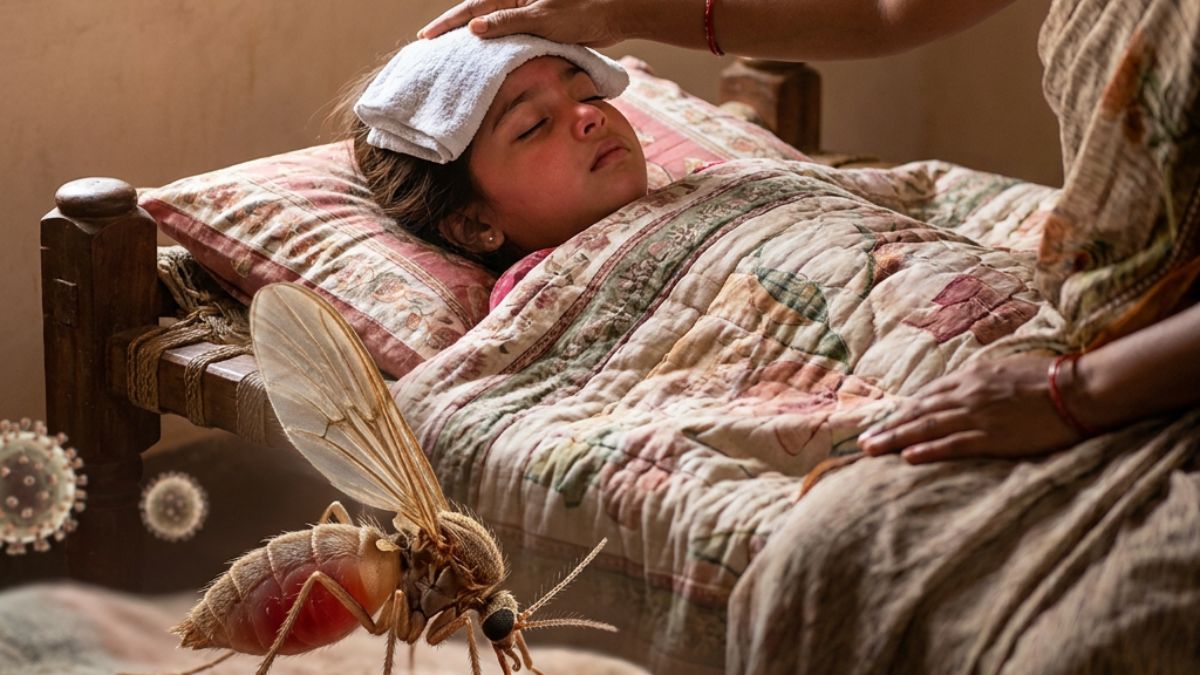
National Response Teams Mobilized as Chandipura Virus Outbreak Hits Gujarat and Rajasthan
The Union Health Ministry has officially deployed the National Joint Outbreak Response Team (NJORT) to the states of Gujarat and Rajasthan following a concerning rise in cases of Chandipura Virus Disease (CHPV). This strategic move comes as health authorities intensify their epidemiological investigations to contain the spread of the viral pathogen, which primarily impacts pediatric populations in rural and semi-urban settings. The deployment marks a significant escalation in the government's efforts to provide technical guidance, coordinate field surveillance, and bolster the clinical management capacities of local healthcare providers in affected districts.
Understanding the Pathogen and Its Vectors
Chandipura virus is a member of the Rhabdoviridae family, the same family that includes the rabies virus. It is primarily transmitted through the bites of vectors such as sandflies, mosquitoes, and ticks. The virus typically manifests with a rapid onset of high fever, followed by neurological symptoms including seizures, altered sensorium, and, in severe cases, progression to coma. Because the clinical presentation of CHPV often mimics other endemic febrile illnesses—such as Japanese Encephalitis or malaria—early diagnosis is frequently complicated, necessitating the precise laboratory surveillance that the NJORT is tasked with strengthening.
The current outbreak has prompted a comprehensive review of environmental factors. Agricultural regions, particularly those with high humidity and specific soil compositions, are known to provide ideal breeding grounds for the sandfly vector. As the rainy season progresses, agricultural workers and their families in rural clusters face an increased risk of exposure. The NJORT, comprising experts in epidemiology, virology, and vector control, is currently assessing the ecological drivers of the surge to determine if specific agricultural practices or environmental shifts have contributed to the recent uptick in vector density.
Strengthening Surveillance and Containment Protocols
The mandate of the National Joint Outbreak Response Team is twofold: to assist state health departments in active case finding and to implement robust vector control measures. By establishing a centralized data monitoring system, the teams aim to identify transmission hotspots before they escalate into widespread clusters. This involves rigorous testing of samples at regional laboratories and the mapping of vector populations in proximity to residential areas.
Beyond clinical intervention, the Ministry has emphasized the importance of public awareness campaigns. Local health workers are being trained to recognize the early warning signs of the virus, which is critical for reducing mortality rates. Timely hospitalization and supportive care are currently the primary clinical strategies, as there is no specific antiviral treatment available for Chandipura virus. Consequently, the focus remains on aggressive vector mitigation, including the use of insecticide-treated nets and environmental hygiene practices to reduce the presence of sandflies in and around human dwellings.
What This Means for Farmers
For the agricultural community in Gujarat, Rajasthan, and neighboring regions, this outbreak necessitates heightened vigilance and proactive management of the living environment. The primary impact for farmers is the potential for labor disruption if rural households are affected, particularly during critical phases of the crop cycle.
Actionable Advice for Farming Households:
- Improve Sanitation: Reduce the presence of sandfly breeding sites by clearing organic debris, cattle shed waste, and damp soil patches near living quarters.
- Personal Protection: Encourage the use of long-sleeved clothing and mosquito repellents, particularly during the twilight hours when sandfly activity typically peaks.
- Early Symptom Recognition: If a child in the household develops a sudden high fever accompanied by vomiting, lethargy, or convulsive movements, seek immediate medical attention at the nearest primary health center. Do not delay treatment by relying on home remedies.
- Livestock Management: Keep cattle sheds clean and, where possible, at a distance from residential sleeping areas to minimize the proximity of vectors to family members.
Economically, while there is no direct impact on crop health or livestock productivity from the Chandipura virus, the strain on rural healthcare infrastructure and the potential for localized movement restrictions highlight the importance of maintaining strong health security. Farmers are advised to stay informed through official government channels and to cooperate with local health surveillance teams as they conduct inspections and vector control operations in their communities.