Kharif Sowing Momentum Accelerates as July Rainfall Bridges Early-Season Deficits
The latest data released by the Ministry of Agriculture indicates a significant recovery in India's kharif sowing operations, following a robust surge in precipitation throughout July. While the early onset of the monsoon season was characterized by erratic rainfall and localized dry spells, the subsequent improvement in weather patterns has allowed farmers to accelerate field preparations and planting activities across key agricultural belts.
According to the ministry’s latest progress report, the acreage gap compared to the previous year has narrowed substantially. By the end of June, sowing operations were lagging behind the 2023 figures by a concerning 25%. However, as of July 31, that deficit has been compressed to just 2.9%. This rapid recovery underscores the resilience of the rural economy and the adaptability of farmers who have capitalized on the moisture-rich window provided by the revitalized monsoon.
Varied Performance Across Crop Categories
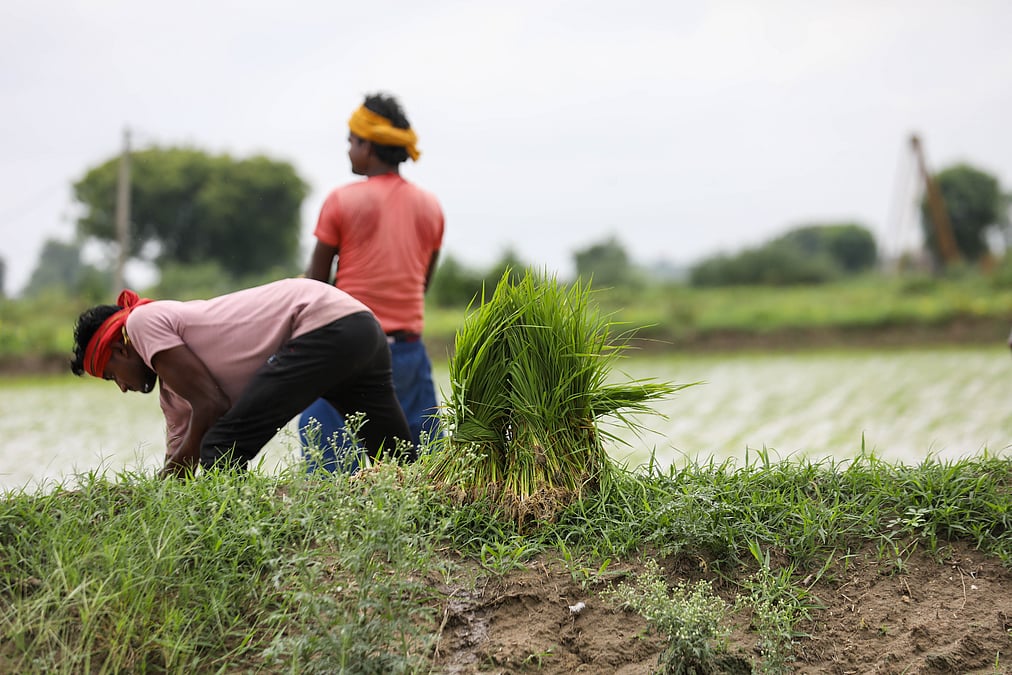
While the overall sowing trajectory shows a positive trend, the data reveals a nuanced picture when broken down by crop variety. The recovery has been primarily driven by significant gains in paddy cultivation, which remains the backbone of the kharif season. As water reservoirs have begun to see improved storage levels, rice farmers have moved swiftly to complete transplantation, effectively closing the gap that appeared early in the season.
Conversely, certain crops continue to underperform compared to the previous year's benchmarks. Pulses, maize, and bajra (pearl millet) are still showing a lag in total sown area. Agronomists suggest that this trend may be attributed to a combination of factors, including soil moisture management challenges in specific regions and shifts in farmer preference toward crops with more stable price support mechanisms. While the window for sowing these crops has not fully closed, the current data suggests that reaching last year’s acreage for these specific commodities will require an intensive push in the coming weeks.
Regional Variations and Monsoon Dynamics
The uneven distribution of rainfall continues to play a critical role in the sowing narrative. While central and northern agricultural zones have benefited from the July rains, other regions have faced challenges related to excess moisture or, conversely, continued dry pockets. The ministry’s monitoring systems are currently tracking these localized impacts to provide necessary support and technical guidance.
The shift from a 25% deficit to a 2.9% gap is a testament to the accelerated pace of farm operations once soil conditions became favorable. However, agricultural experts caution that the final output will depend heavily on the distribution of rainfall through August and September. Timely rains are essential not just for sowing, but for the vegetative growth phase and subsequent grain filling, which will ultimately determine the harvest yield.
What This Means for Farmers
For the farming community, the current data signals a critical period of transition and decision-making. The narrowing of the sowing gap is a positive development for national food security and market stability, but individual producers must remain vigilant regarding the following factors:
- Crop Selection and Late Sowing: Farmers who have yet to complete sowing for pulses or maize must consult their local agricultural extension offices regarding short-duration, high-yield varieties that can still perform well despite the delayed start.
- Pest and Disease Management: Increased humidity following heavy July rains often creates a conducive environment for pests and fungal pathogens. Farmers are advised to conduct regular field scouting and follow Integrated Pest Management (IPM) practices to protect their standing crops.
- Fertilizer and Input Efficiency: With the sowing window tightening, the efficient application of nitrogenous fertilizers and micronutrients becomes paramount. Farmers should prioritize soil testing to ensure that inputs are applied in accordance with the specific nutrient requirements of their current crop stage.
- Market Outlook: The continued lag in pulses and maize sowing may translate into tighter supply conditions for these commodities later in the year. Farmers should keep a close watch on Minimum Support Price (MSP) announcements and market trends, as these supply-side factors could influence price volatility during the harvest season.
As the season progresses, the priority for the agricultural sector must shift from catch-up sowing to meticulous crop management. By leveraging technical advice and remaining responsive to weather forecasts, farmers can mitigate the risks posed by the early-season delays and work toward achieving optimal production levels.