Nationwide Health Alert: Expert Teams Mobilized as Chandipura Virus Cases Emerge
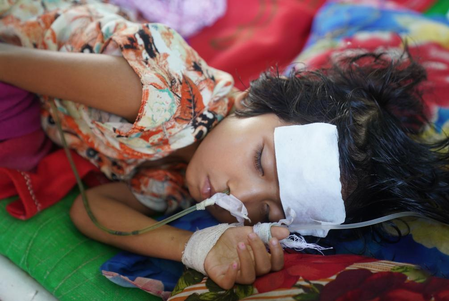
The Union health authorities have initiated a high-level containment operation following the detection of Chandipura virus (CHPV) cases in the states of Gujarat and Rajasthan. As reports of the viral outbreak surface, the central government has deployed specialized multi-disciplinary teams to provide on-the-ground technical support to state health departments. The mission focuses on enhancing diagnostic capabilities, implementing rigorous surveillance protocols, and establishing a robust framework for vector control to prevent the further spread of the pathogen.
Chandipura virus, a member of the Rhabdoviridae family, is primarily transmitted through the bites of vectors such as sandflies, mosquitoes, and ticks. While the virus has historically caused sporadic outbreaks, current medical surveillance is being significantly ramped up to identify transmission patterns, particularly in rural and semi-urban agricultural zones where human-vector interaction is most frequent.
Strengthening Surveillance and Genomic Research
The deployment of central expert teams marks a shift toward a more aggressive, science-led response. These teams are currently working in tandem with local medical officers to conduct comprehensive epidemiological mapping. A critical component of this effort is the intensification of animal testing. By sampling local livestock and wildlife populations, researchers aim to identify the primary reservoir hosts that facilitate the virus’s persistence in the environment.
Simultaneously, genomic sequencing is being fast-tracked at national reference laboratories. By analyzing the genetic structure of the circulating virus, scientists hope to determine if there have been any mutations that could alter its transmissibility or virulence. This data-driven approach is essential for developing effective intervention strategies and ensures that healthcare facilities are equipped with the most accurate diagnostic tools available. The focus remains on early detection, as prompt clinical intervention is vital for managing the progression of the disease.
Ecological Factors and Vector Control
The transmission dynamics of the Chandipura virus are deeply intertwined with local environmental conditions. The virus thrives in areas with high humidity and specific soil types, which often correlate with agricultural landscapes. In the affected regions of Gujarat and Rajasthan, the presence of vectors is being closely monitored by entomologists who are conducting extensive field surveys to identify breeding hotspots.
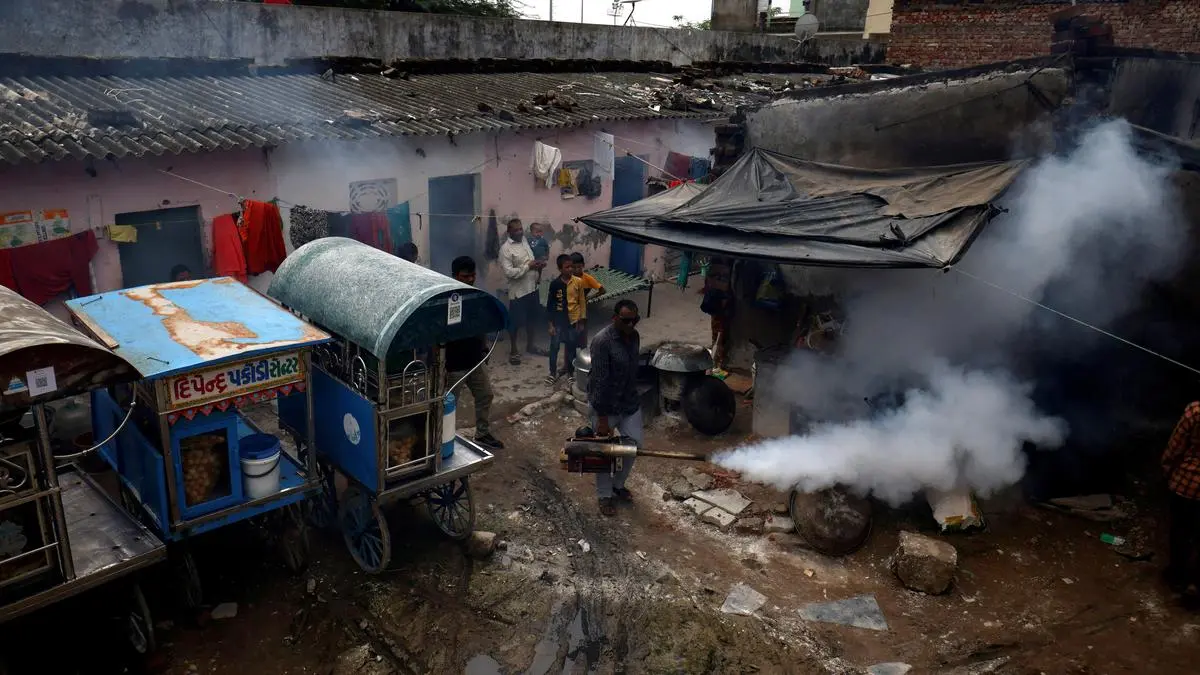
Control measures are being scaled up to include systematic vector suppression, such as indoor residual spraying and environmental management practices designed to reduce the presence of sandflies near human dwellings. Furthermore, public health communication campaigns are being rolled out to educate rural communities on the importance of personal protective measures and the necessity of maintaining hygienic living conditions to disrupt the vector life cycle.
What This Means for Farmers
For the agricultural community, the current outbreak serves as a critical reminder of the importance of livestock and household health management. While the virus is primarily transmitted by vectors, the proximity between livestock, agricultural waste, and human living spaces plays a significant role in the risk of exposure.
Farmers are advised to take the following practical steps to mitigate risks:
- Sanitation and Waste Management: Ensure that cattle sheds and storage areas are kept clean and free of organic waste, which serves as a breeding ground for sandflies and other vectors.
- Vector Protection: Utilize protective clothing when working in fields during dawn and dusk, the peak activity hours for many disease-carrying insects. Consider the use of insect repellents as recommended by local health authorities.
- Livestock Monitoring: Keep a close watch on the health of livestock. While the virus is primarily a human health concern, maintaining the general health and cleanliness of animals reduces the likelihood of vector infestations on the farm.
- Early Reporting: Should any members of the household or farm workers exhibit symptoms such as high fever, sudden neurological distress, or flu-like illness, it is imperative to seek professional medical attention immediately rather than relying on home remedies.
- Cooperation with Health Teams: Local health officials may request access to farms for surveillance or vector-control activities. Providing full cooperation to these teams is essential for protecting the broader community and ensuring the virus does not gain a foothold in rural areas.
By integrating these proactive measures into daily farm management, the agricultural sector can play a pivotal role in supporting the government’s containment efforts and safeguarding the health of rural populations.