National Response Strategy Intensifies as Chandipura Virus Outbreak Hits Gujarat and Rajasthan
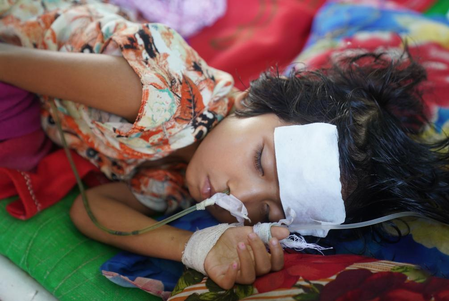
The Union Health and Family Welfare Ministry has escalated its response to the ongoing Chandipura Virus (CHPV) outbreak, deploying a specialized National Joint Outbreak Response Team (NJORT) to Gujarat and Rajasthan. As the monsoon season continues, Gujarat has emerged as the epicenter of the crisis, reporting 35 laboratory-confirmed infections and 22 tragic deaths among children. With 184 suspected cases currently under investigation, the deployment marks a significant shift toward a multidisciplinary, “One Health” approach to contain the spread of the virus.
The NJORT, a high-level assembly of experts from the National Centre for Disease Control (NCDC), the Indian Council of Medical Research (ICMR), and the Department of Animal Husbandry and Dairying (DAHD), is tasked with conducting a granular epidemiological assessment. Their mission is to bridge the gap between clinical management and field-level vector control, ensuring that public health interventions are grounded in the latest scientific data. The activation of the NCDC’s Public Health Emergency Operations Centre further signals the gravity with which federal authorities are treating the current spike in Acute Encephalitis Syndrome (AES) cases.
A Multidisciplinary Investigation into Transmission Dynamics
At the heart of the federal investigation is a complex scientific inquiry into how the Chandipura virus moves through the environment. While sandflies have historically been recognized as the primary vectors for CHPV, the current research scope is significantly broader. Scientists from the ICAR-National Institute of Veterinary Epidemiology and Disease Informatics (NIVEDI) and other specialized ICMR institutes are scrutinizing the potential roles of mosquitoes, ticks, and mites in the transmission cycle. By collecting extensive vector samples from the affected districts, the team aims to definitively identify the primary carrier, acknowledging that drawing premature conclusions could hamper long-term eradication efforts.
The investigation also adopts a critical veterinary perspective. Because the virus can circulate among domestic livestock, researchers have initiated broad-scale animal surveillance. Blood and milk samples from cattle, buffaloes, and goats are undergoing rigorous laboratory analysis to determine if these animals are acting as reservoirs for the pathogen. This, combined with whole-genome sequencing currently being conducted at the Gujarat Biotechnology Research Centre, will help determine if the circulating strain has undergone genetic mutations that could explain the current outbreak's severity. Preliminary findings suggest minor genetic variations, though experts emphasize that exhaustive comparative genomic studies are necessary before drawing firm conclusions.
What This Means for Farmers
For the agricultural and livestock-rearing communities in Gujarat and Rajasthan, the ongoing outbreak necessitates heightened awareness and proactive farm management. While the primary focus of the government is on human health, the involvement of the Department of Animal Husbandry highlights the potential intersection between livestock environments and the virus's lifecycle.
Practical Steps for Livestock Owners:
- Improve Sanitation: Maintain high standards of cleanliness in animal sheds. Eliminating stagnant water, clearing weeds, and ensuring proper manure disposal can reduce the breeding grounds for vectors like sandflies and mosquitoes.
- Vector Mitigation: If your region is identified as a hotspot, consult with local veterinary extension officers regarding safe, approved insect-repellents or physical barriers for livestock housing to minimize contact with biting insects.
- Monitor Herd Health: Watch for unusual behavior or signs of illness in your livestock. While the virus is primarily a human health concern, reporting sick animals to local veterinary authorities is crucial for the ongoing surveillance efforts.
- Hygiene Practices: Ensure that milk handling and storage processes remain hygienic. While there is no evidence suggesting milk is a primary route of transmission, standard sanitary practices are essential to overall farm biosecurity.
- Community Cooperation: Farmers and rural families are urged to cooperate with health teams conducting community-based serosurveys. Providing accurate information to surveillance workers helps scientists map the true extent of the virus and develop more effective protection strategies for rural areas.
The federal response underscores a critical reality: the health of humans, animals, and the environment is deeply interconnected. By participating in surveillance programs and maintaining vigilant farm hygiene, the agricultural community plays a vital role in the national effort to stop the spread of the Chandipura virus.