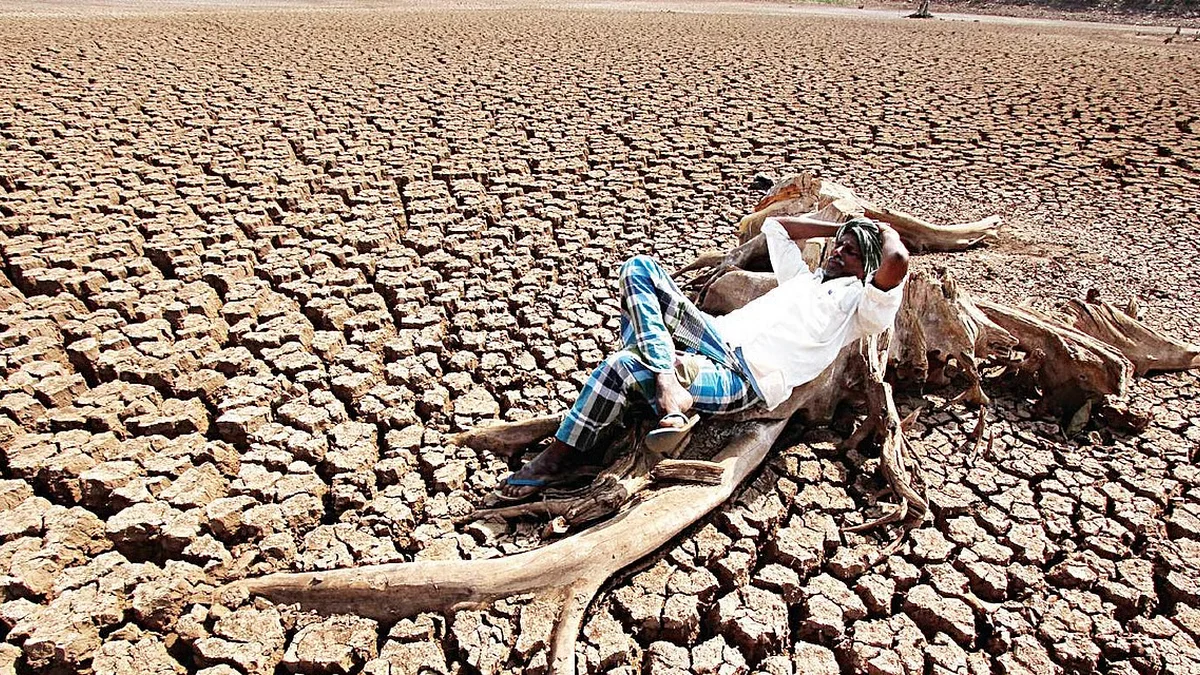

Mumbai is currently recording unusually high temperatures for the month of October, with mercury levels climbing to 38 degrees Celsius. This persistent heat is being attributed to the early withdrawal of the monsoon season, combined with the influence of an anticyclonic system affecting the region's atmosphere.
For residents and those involved in outdoor activities, this weather pattern marks a significant departure from typical October conditions. The combination of these meteorological factors has effectively prevented the usual cooling trend that often begins to take hold as the monsoon exits the region.
Mumbai temperature: Understanding the Weather Pattern
The current heat is primarily driven by the timing of the monsoon's departure. When the monsoon withdraws early, it often leaves behind a dry and warm environment. This situation is further complicated by the presence of an anticyclonic system, which creates conditions that suppress cloud formation and trap heat in the lower atmosphere, leading to sustained high temperatures during the day.
Meteorological observations indicate that these conditions are not just a short-term spike but a broader trend affecting the city's climate this month. While the region is preparing for the transition into the cooler months of the year, the current atmospheric setup is keeping daytime heat levels elevated.
What This Means for Farmers
The ongoing heat wave in Mumbai has practical implications for agricultural planning in the surrounding areas. While this report focuses on the city's immediate weather, the underlying climatic factors—specifically the early monsoon withdrawal—carry weight for regional agricultural management:
- Increased Evaporation: The sustained high temperatures and dry air increase the rate of moisture loss from the soil and crops. Farmers in the surrounding districts should remain vigilant regarding irrigation schedules to compensate for the accelerated drying of fields.
- Shift in Seasonal Expectations: The forecast for a mild winter suggests that the transition to cooler weather will be gradual. Farmers should plan their rabi season planting and crop management based on the likelihood of warmer afternoons rather than a traditional, sharp drop in temperature.
- Morning vs. Afternoon Management: With cooler mornings expected to persist alongside warm afternoons, field activities that require physical labor are best scheduled during the early hours to avoid the peak heat of the day.
Looking ahead, the outlook for the remainder of the season points toward a mild winter. While residents can expect some relief in the form of cooler mornings, the afternoons are likely to remain warm, with no indication of a long or intense cold spell in the immediate forecast. Monitoring local weather updates remains essential for adapting to these changing conditions throughout the transition period.
Source: Jagran English